
Math Games for Kids
Obby: Click and Grow
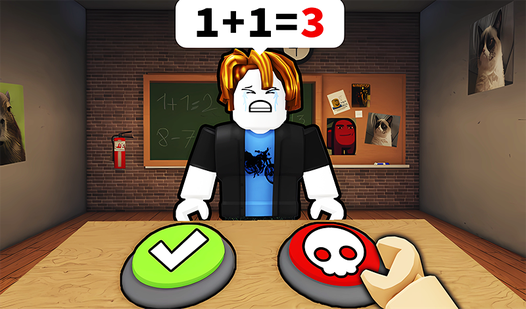
Math Answer Or Die: Robbie!
Robby: Escape The Rooms
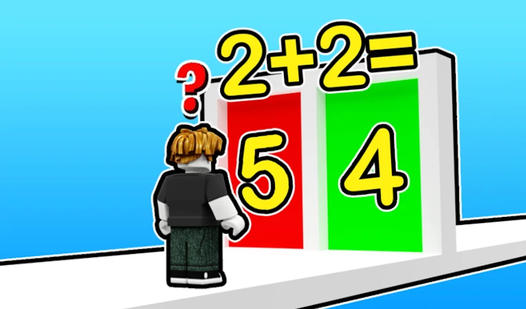
Obby: Maths Racing
Obby: Get Brainrots From Bosses
Obby: Find the Way
Bridge Race: Color Block Rush
Baldi
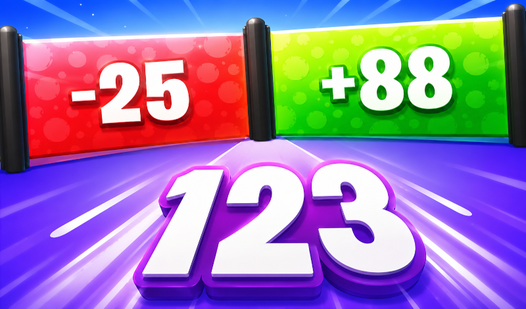
Master of Numbers
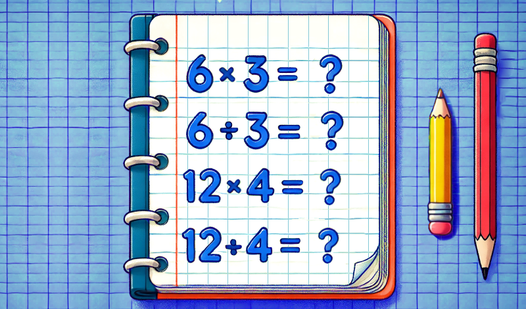
Multiplication Table Training
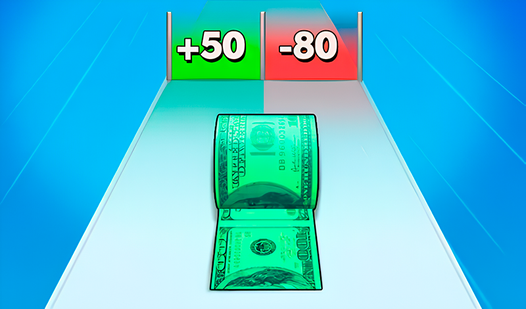
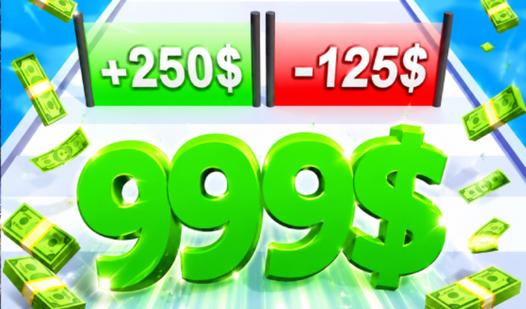
Money Rush
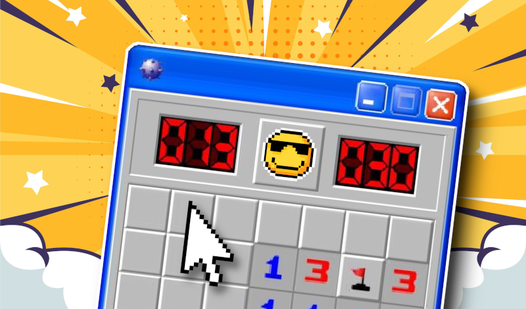
Minesweeper Online
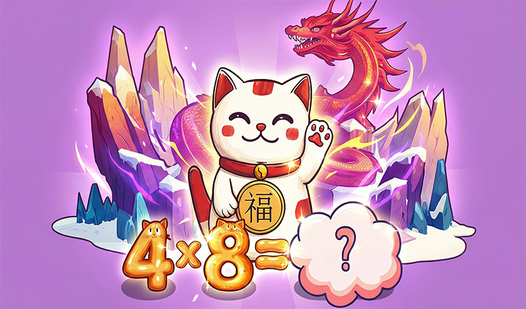
Cat tower - trainer for multiplication table
Number Merge Rush: 2048 Run
Fire up!
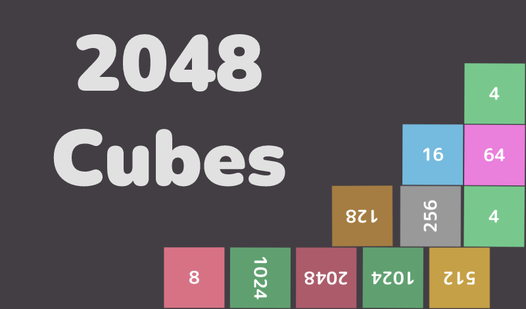
2048 Cubes
Balloons: Inflate and DO NOT pop!
Merge Blocks
Dog Miner
Keep on Mining!
Number Merge
Screw Sort 3D
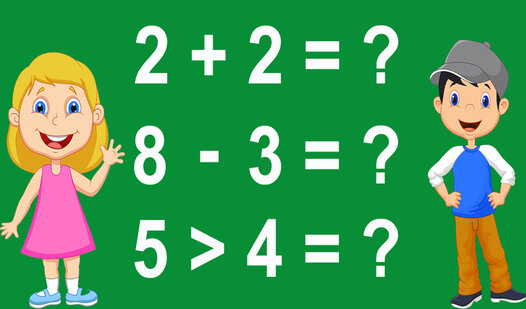
Addition and Subtraction
Sweet 2048
Numbers Master 2D
Teacher Simulator
Matchstick Puzzle
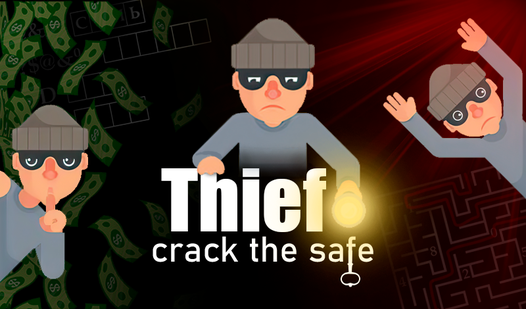
Thief. Crack the safe
Number Games: Number Match
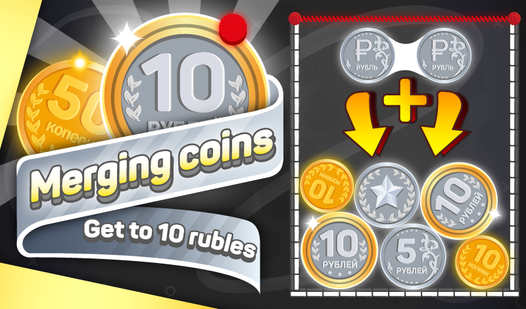
Merging coins. Get to 10 rubles!
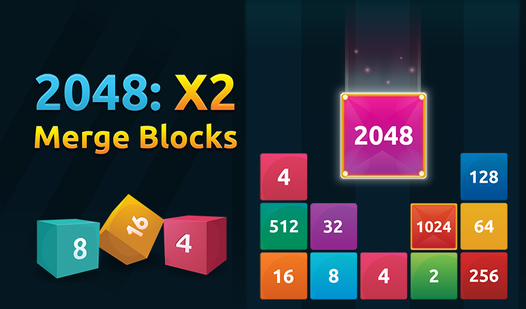
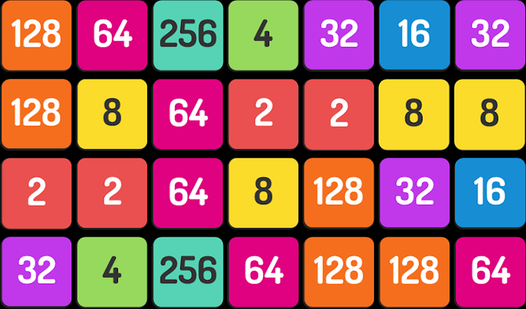
2048: X2 Merge Blocks
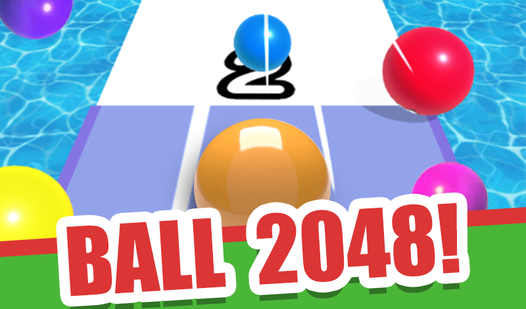
Ball 2048
Frogs 2048
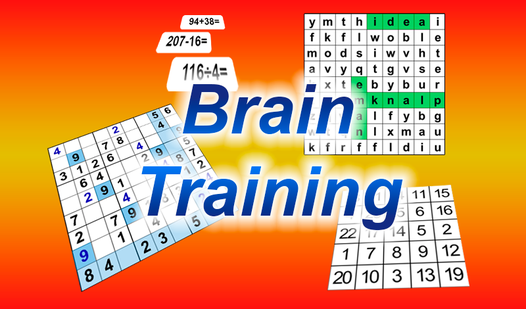
Brain Training
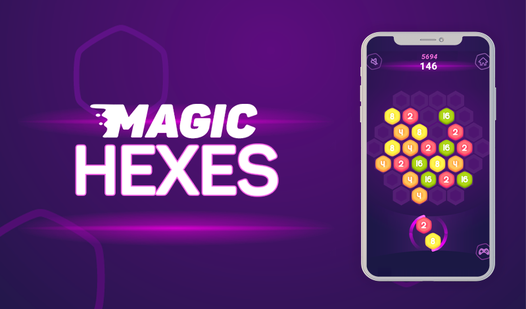
Magic Hexes
Balloon Match
Quiz Game: General Knowledge
Multiplication Table: School
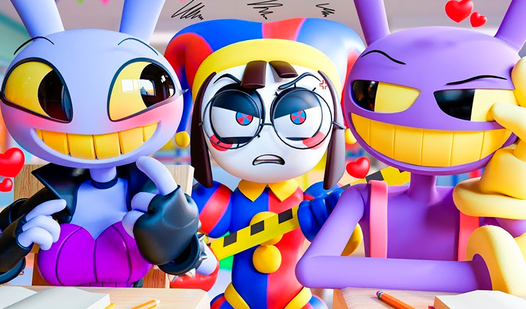
Digital Circus at Sprunki School
Digit Shooter
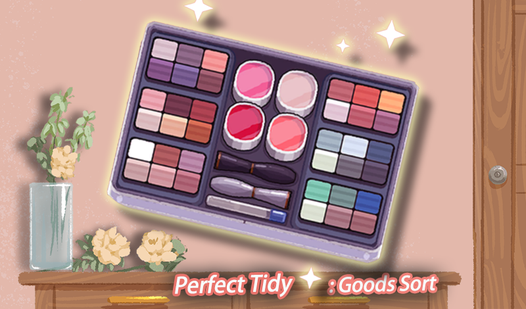
Perfect Tidy:Goods Sort
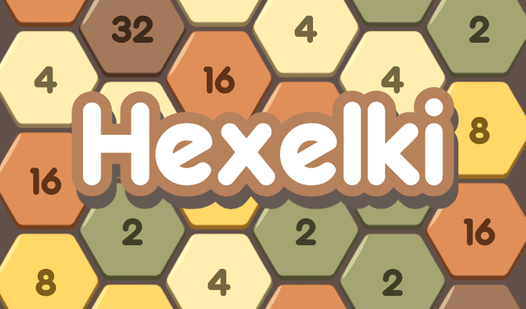
Hexelki
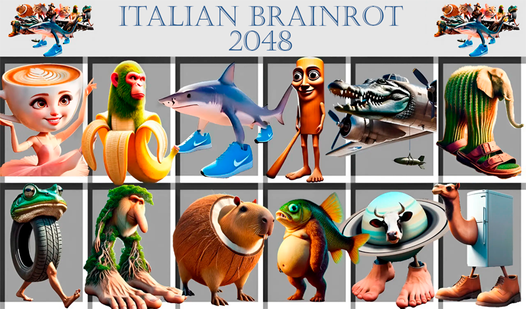
Italian Brainrot 2048
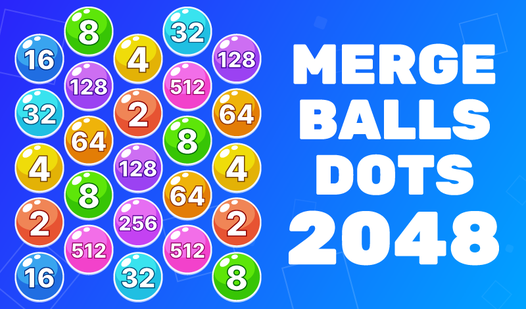
Merge Balls Dots 2048
Brain trainers
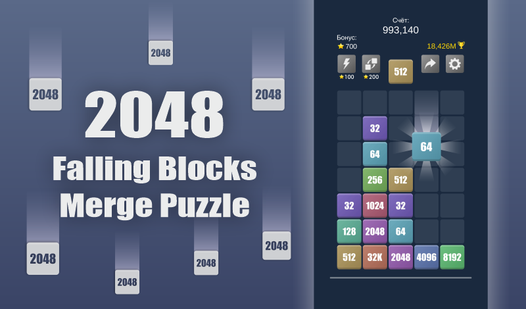
2048 Falling Blocks Merge Puzzle
Iphone clicker evolution
Money Factory - Earn a Billion
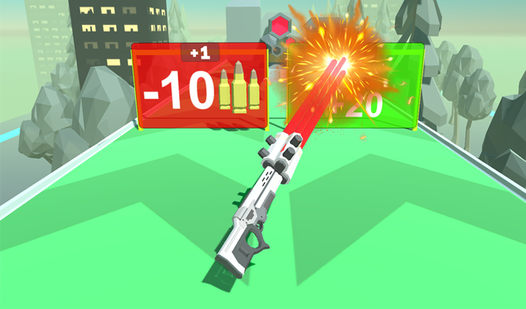
The weapon of the future
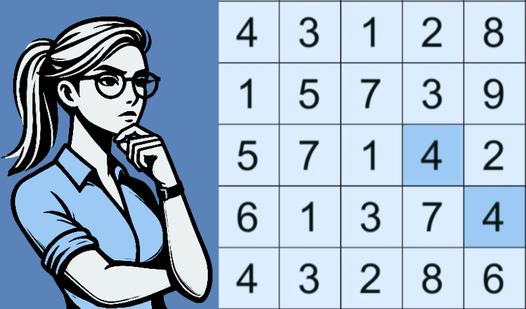
Number Puzzles: 3 in 1
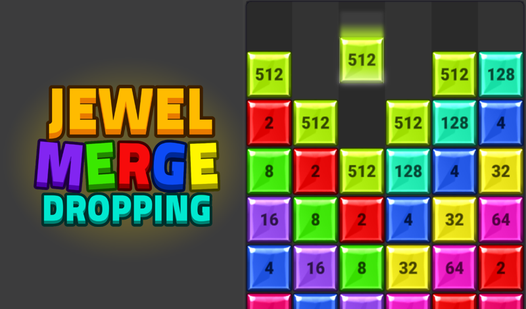
Jewel Merge Dropping
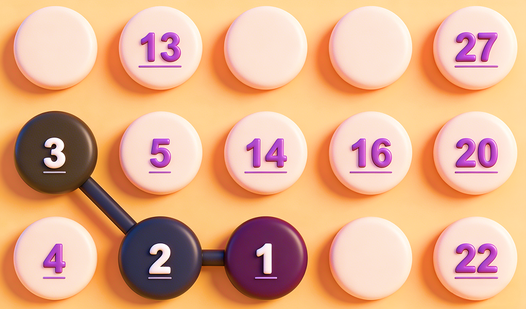
Number Link: Relax & Unwind
The numbers
2048 Marmelade
Baldi, Math and the Evil Teacher
Cashier simulator
Times Table - Learn Math
Pic-a-Pix Nonogram Puzzle
King of Numbers - Puzzle Master
Growing numbers: Connect and Purify









About these games
Math games make numbers part of an activity: count objects, choose an answer, compare quantities or complete a pattern. Start with a task the child understands and talk through the method, so choosing a correct answer matters more than rushing through a screen.
This collection uses catalog age labels up to 7+. Choose tasks that match the child's current knowledge.
Related collections: Kids Games.
Browse more
Related combinations
FAQ
Which math games suit young children?
Choose by the maths the child is currently learning: recognising quantities, counting, addition or multiplication. Try a few questions together and adjust the task based on understanding, not just the age badge.
Are these math games really educational?
Math games can offer practice with the tasks they present, such as recognising numbers or choosing an answer. Pick exercises that match what the child is learning and discuss how they reached the result.
Do they work on a tablet or phone?
Check that the numbers, symbols and answer buttons are easy to read on the intended screen.
Are these games safe and age-appropriate?
The collection uses catalog age labels up to 7+. Choose tasks that match the child's current knowledge.