
Physics Games for Kids
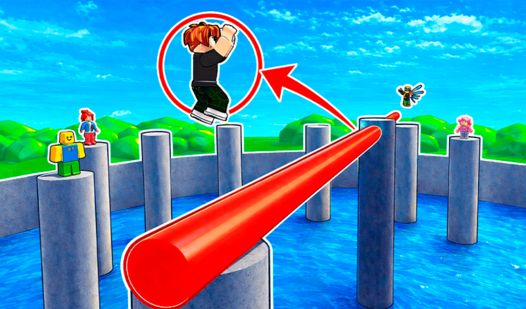
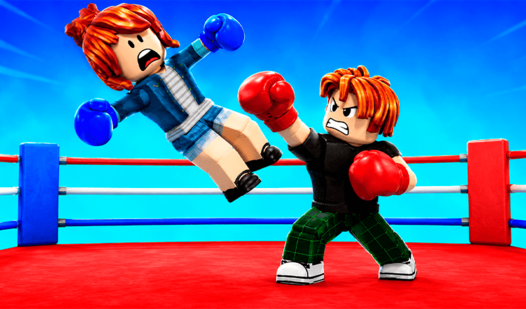
Obby: Mini Games Against 1000!
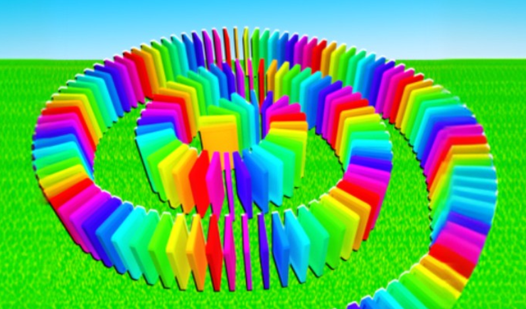
Domino Playground
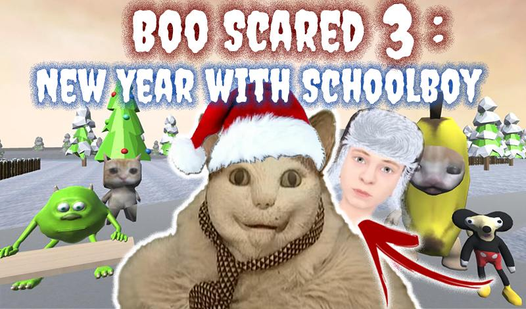
Boo Scared 3: New Year with Schoolboy
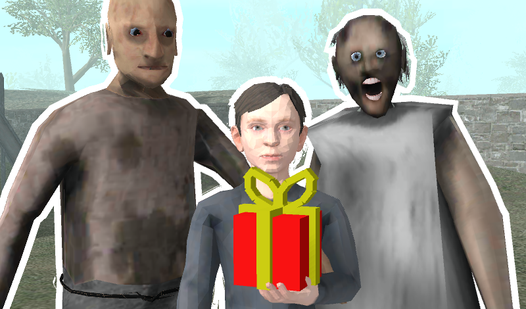
Schoolboy and Granny: Birthday
Geometry Smash
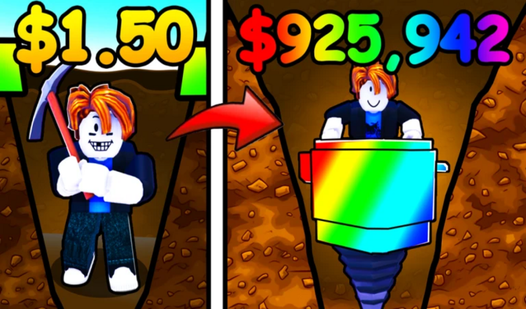
Dig to earth core
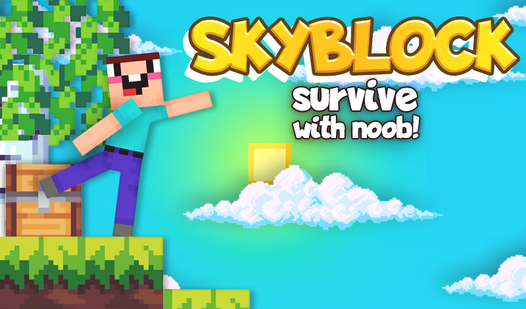
Skyblock Survive With Noob!
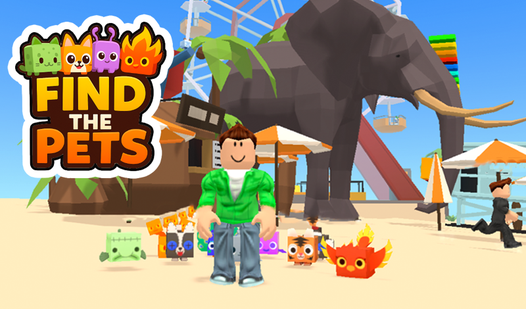
Find The Pets
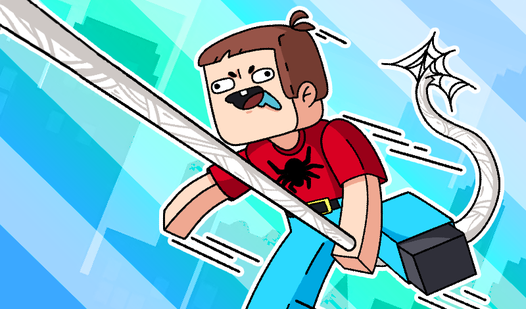
Noob on Web: Epic Superhero
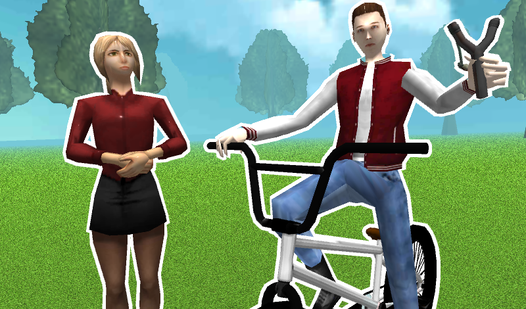
Schoolboy Simulator: Back to School!
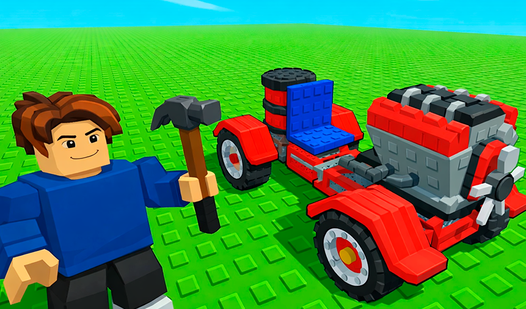
Build a Car
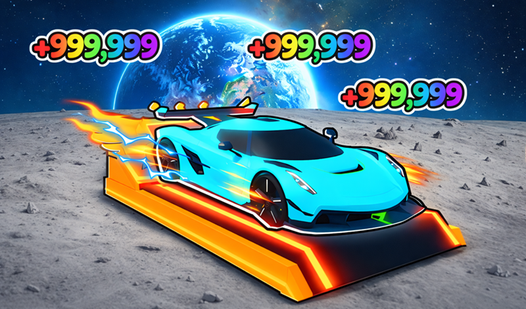
Obby: +1 Speed Car Escape
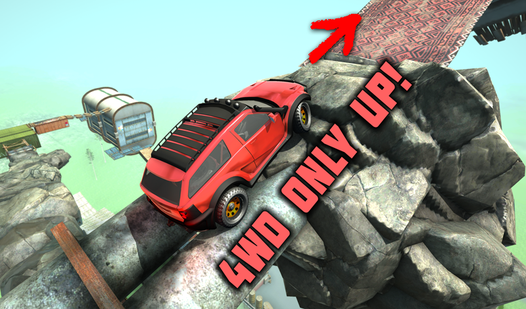
4wd Only Up!
None Shall Get Through: Save Cappuccina!
Knockout - Push Penguins on Ice!
Construction Set - 3D Builder
Renalda 2: Dodep Hospital
Build a Boat Obby Treasure!
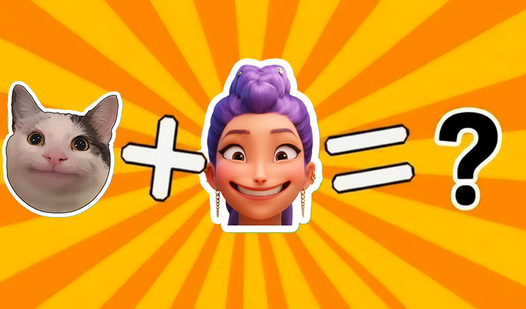
Mix the Memes!
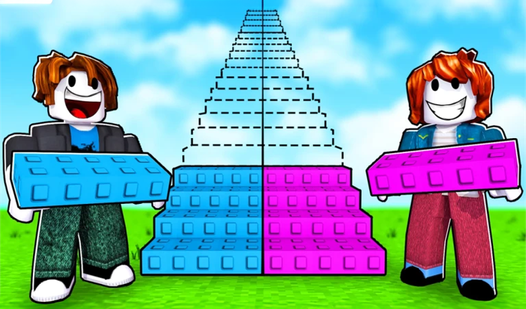
Obby: 1vs1 With a Friend or Against Everyone!
Peak
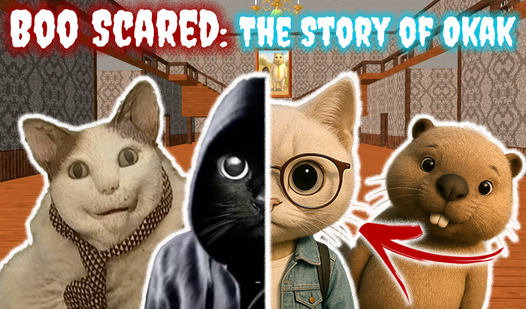
Boo Scared: The Story of Okak
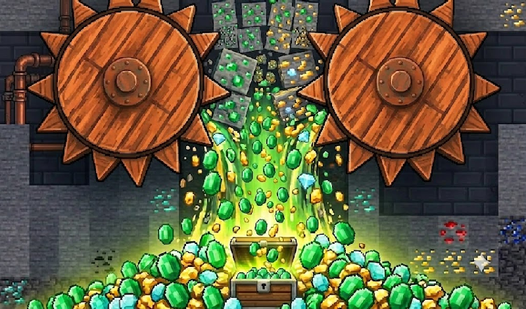
OreCrusher
Obby: 1 Step = $1
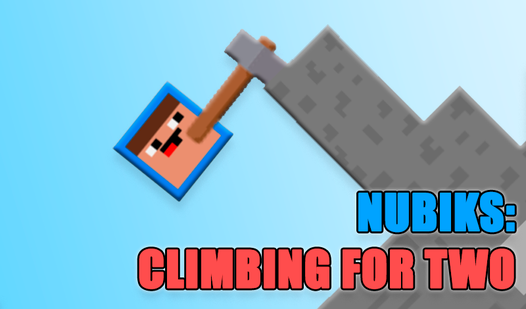
Nubiks: Climbing for Two
Ice Tycoon
Cars under the city sky
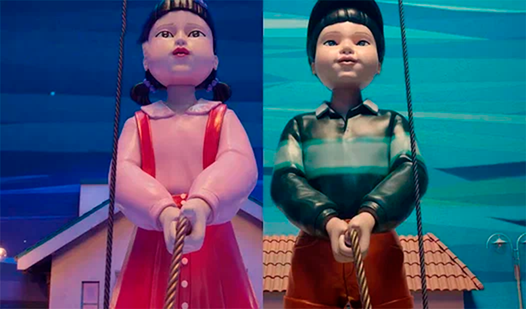
Obby Squid Game 3 Season: jump rope
Build a Tower: Obby
BlockCraft: Falling Pickaxe
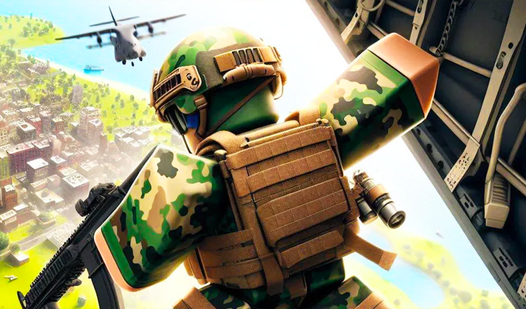
Obbik: Military Tycoon
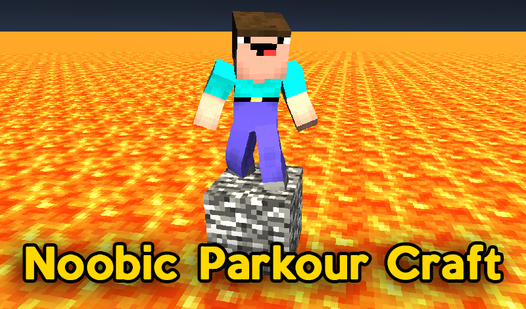
Noobic: Parkour Craft
Loop Realities
Obby: Squid Game All Modes Season 1
Build and Destroy: Sandbox
Parkour Paradise: Mine
Obby the king of stairs
Destroy walls of blocks - Mine MOD
Sandbox - Build and Crush
My pet Robloxer
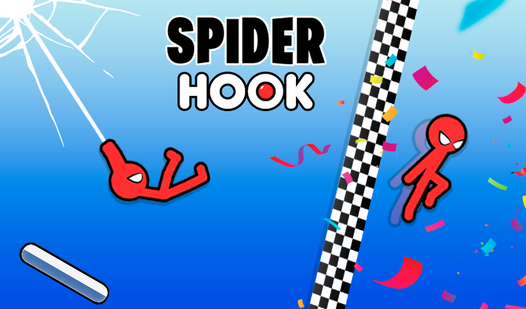
Spider Hook
Obby - Maze of Speed
Leap and Avoid 2
Obby Parkour: Easy Level
Quadbears: Ragdoll Obby Parkour 3D
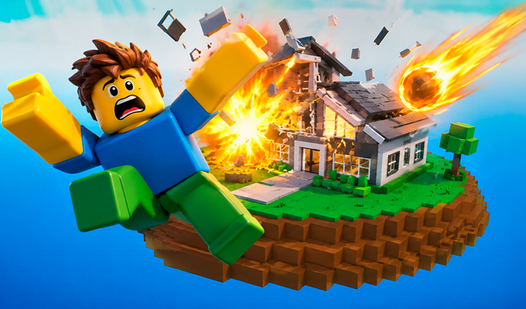
Survive Disasters Apocalypse Obby
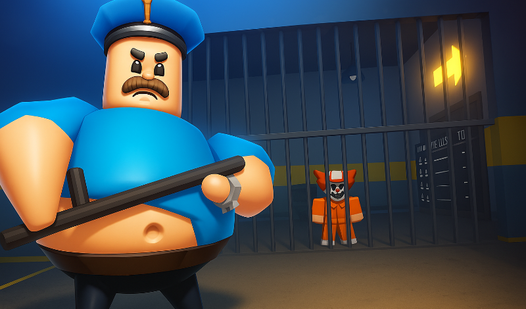
Escape from a secure prison 3D
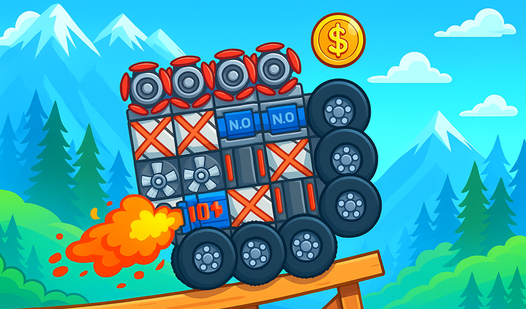
Build a cool car
Obby: escape from prison
Bacon's Nightmare Diet!
Digital Circus Escape: Ragdoll
Obby: Avalanche of items
Pump up the LAVA Mine MOD!
Main: Save the water
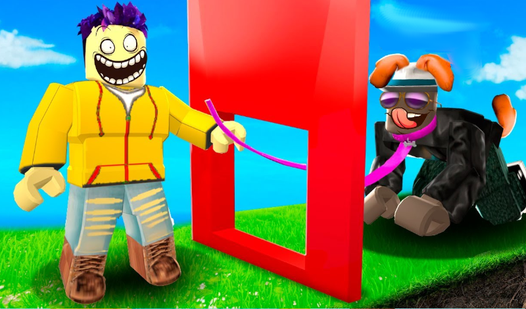
Cube. Open door 3D
Smash The Dome - Unlock All Biomes!
Labubu Obby Parkour
Obby Monster Truck
Noob Became A Cat 3D
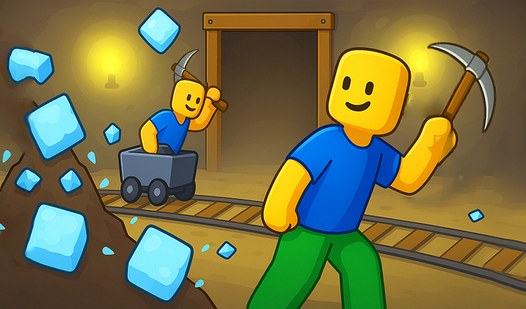
Black Gold Rush






About these games
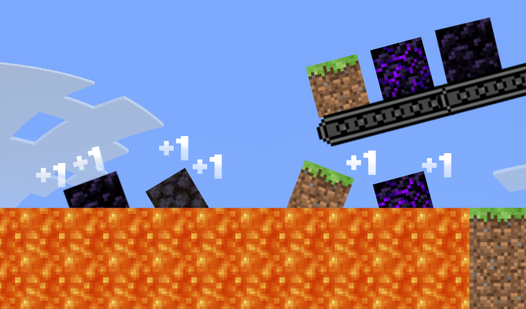
Physics puzzles invite players to think about how objects move: a ball rolls down a line, shapes balance in a tower or a ramp changes a path. Trying an arrangement and watching the result can be the heart of the activity. Compare the rules before choosing a puzzle.
This collection uses catalog age labels up to 7+. Preview falls, impacts and failure feedback before choosing a physics puzzle for a sensitive child.
Related collections: Kids Games, Building Games for Kids.
Browse more
Related combinations
FAQ
Which physics games suit young children?
Start with a puzzle whose action is clear: draw a line for a ball, place a shape or balance a small structure. Watch the result together and choose the next challenge by how comfortably the child follows cause and effect.
Are these physics games free?
Yes. These games are free to play in the browser without installing a separate app. A game may offer optional paid items; check its offers before a child starts.
Do they work on a tablet or phone?
Try dragging a shape or drawing a line and check whether the game needs a mouse, touch or keyboard input.
Are these games safe and age-appropriate?
The collection uses catalog age labels up to 7+. Preview falls, impacts and failure feedback before choosing a physics puzzle for a sensitive child.