

Finding games…

































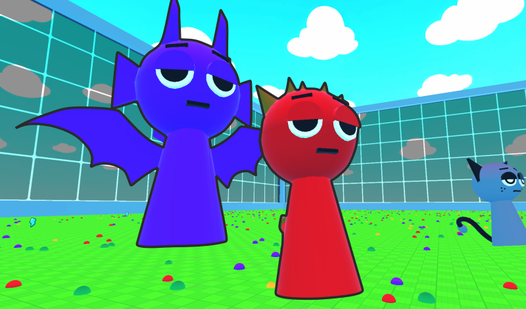

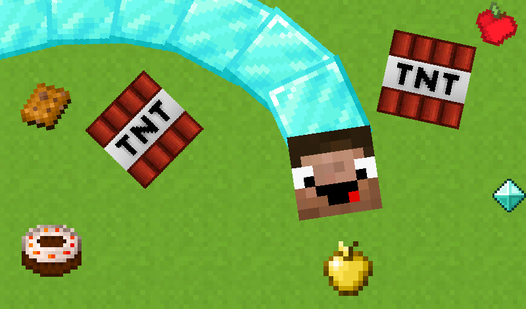



.io-style games build short, repeatable browser matches around a simple mechanic. They can offer competition with other players, bots or different modes depending on the game.
The genre crystallized around 2015 when Agar.io demonstrated that a single mechanic - eat smaller cells, avoid larger ones - could support a competitive multiplayer format. That template spread fast. Slither.io reskinned the loop with snake physics. Diep.io layered upgrade trees and class choices onto tank combat. Surviv.io imported the battle-royale format into a top-down shooter and ran it entirely in a browser tab. The format emphasizes a simple mechanic and repeatable matches in the browser.
The selection brings together .io-style games and other multiplayer formats. Choose a game by its rules and available modes, then check how to join a match or invite a friend.
Sub-formats we cover:
- Absorption (Agar-style): grow by consuming smaller entities; death resets you to zero - Battle royale: shrinking zone, last player standing - Surviv.io is the reference point - Shooter (Krunker-style): fast gunplay with skill-based matchmaking, top-down or first-person - Tank / upgrade (Diep.io-style): persistent class trees within a session, multiple upgrade paths - Tactical PvP: team objectives, zone control, coordinated play stretching to 10–15 minutes
Typical session length sits between 3 and 10 minutes - long enough to turn around a losing match, short enough to close the tab without regret. Players can try a short match or spend longer learning a particular game.
If you're new to the format, the HowTo section on this page covers joining a lobby, reading the minimap, and surviving the first thirty seconds. For a curated starting point, Best IO Games to Play Free in Your Browser (2026 Guide) discusses starting points in the genre. Another selection is available at Multiplayer IO Games, including team modes, seasonal variants, and niche subgenres.
Players looking for slower online experiences - co-op puzzles, MMO-style progression - will find most .io games too frenetic. But for anyone who wants a competitive browser match, this hub is where we keep that part of the catalog.
The name comes from the .io domain used by early games such as Agar.io and Slither.io. The style is associated with simple rules, browser play and short, repeatable matches. Many examples focus on real-time competition. Check the selected game for human opponents, bots and matchmaking options.
Account requirements depend on the game. Some offer guest play with a nickname, while accounts may be used for persistent progress or other features. Read the start screen before signing in. For an overview of no-registration browser play, see Free Online Games Without Registration — Play Instantly.
A lobby may be waiting for more players, a server may be unavailable, or the connection may have failed. Check the message shown by the game and any region selector it provides. If joining does not work, try another title or return later.
Combat, frightening scenes and communication with other players vary between games. Check the age label and description, then look at chat and other settings before choosing a game for a child.
Use the Mobile-friendly chip to find games marked as supporting mobile devices in the catalog. Check the selected game's control instructions: a keyboard-focused game may be awkward on a touch screen. Actual performance depends on the game, browser and device.