

Finding games…

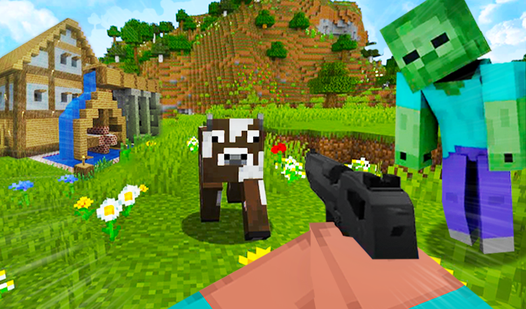
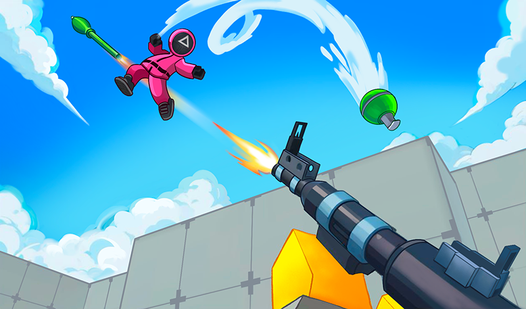
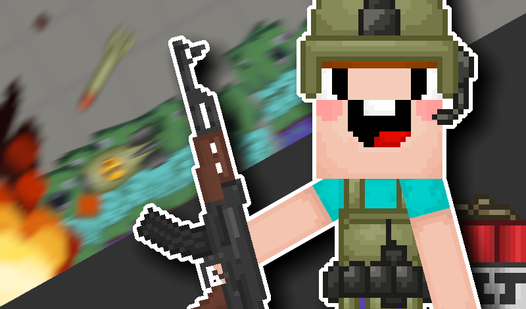
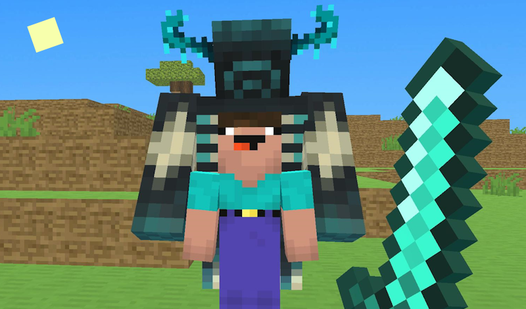
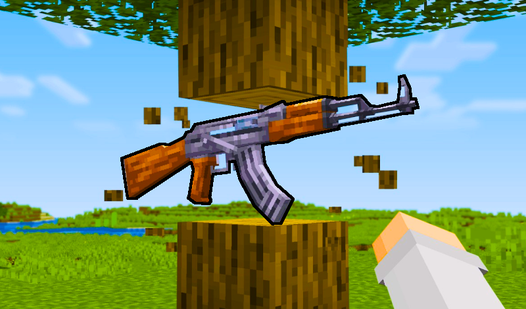
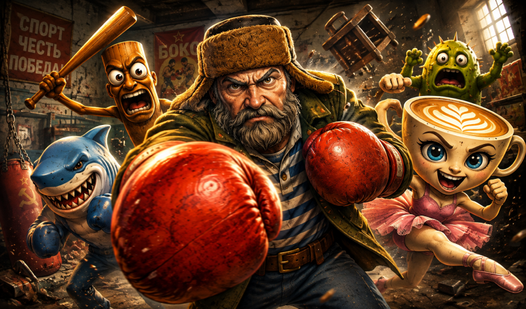
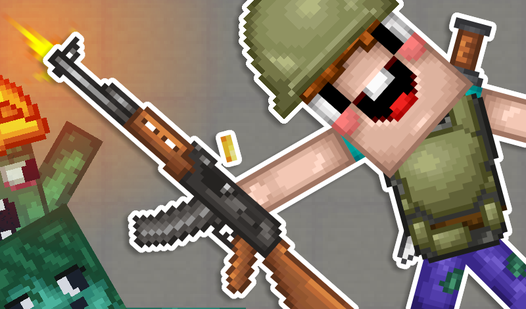
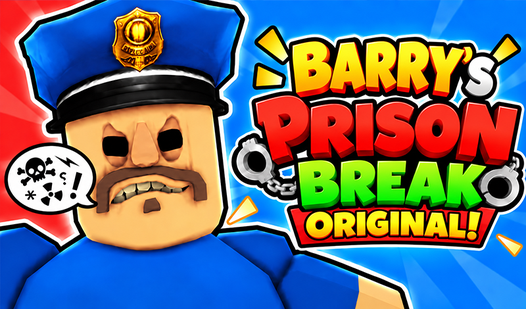
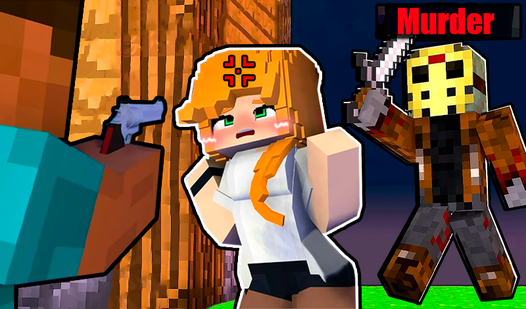
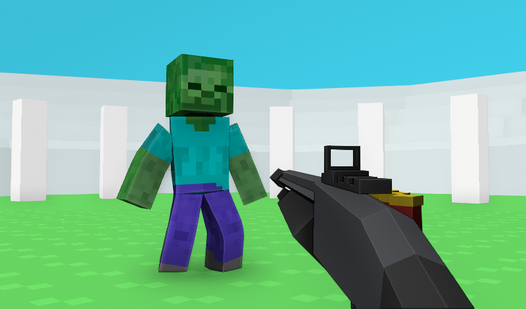
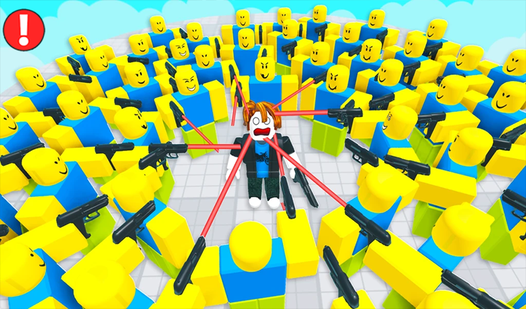
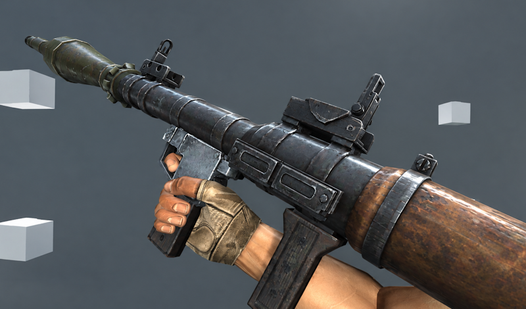
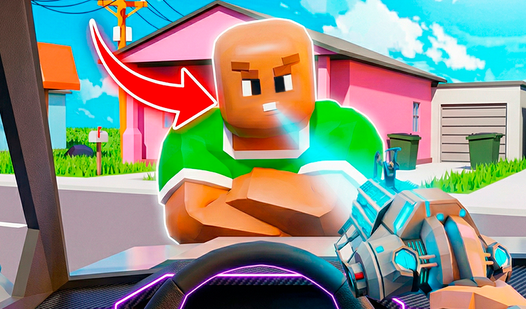
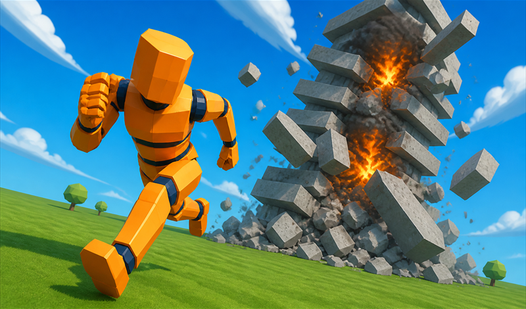
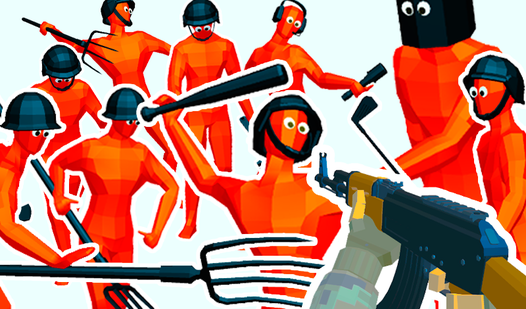
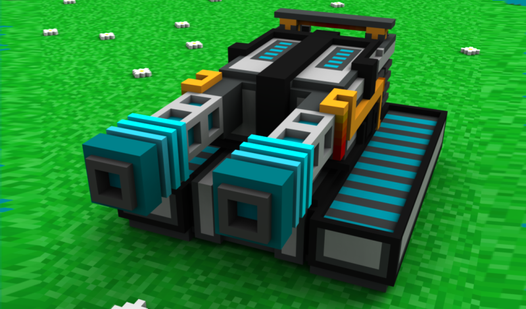
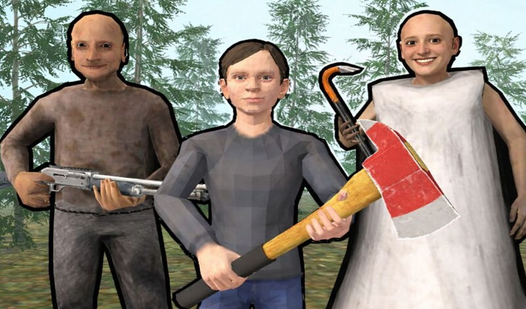
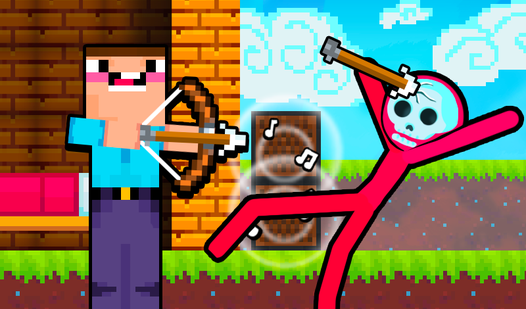
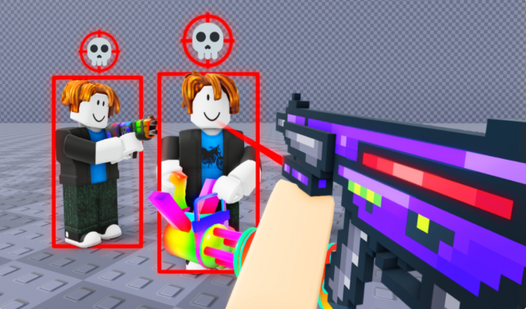
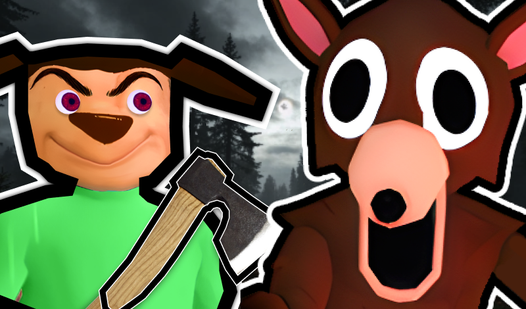
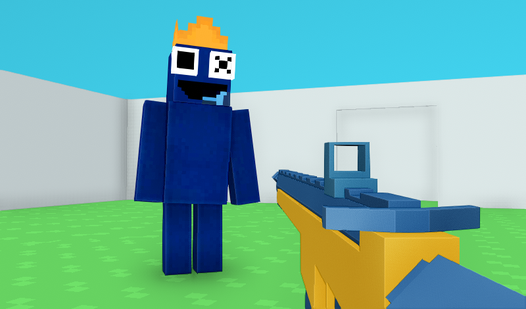
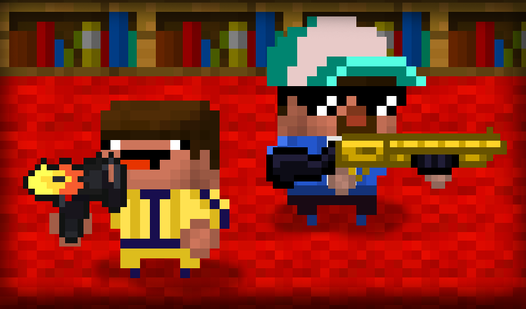
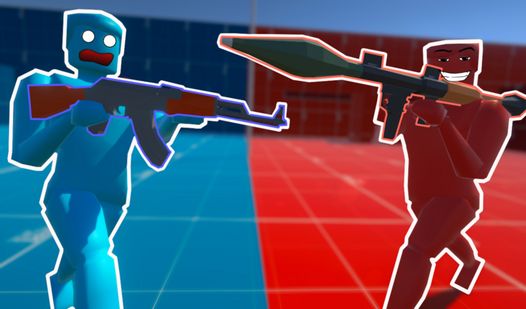
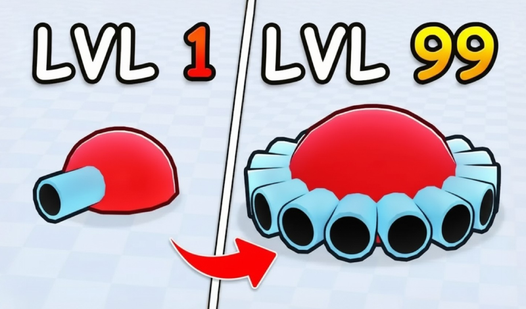
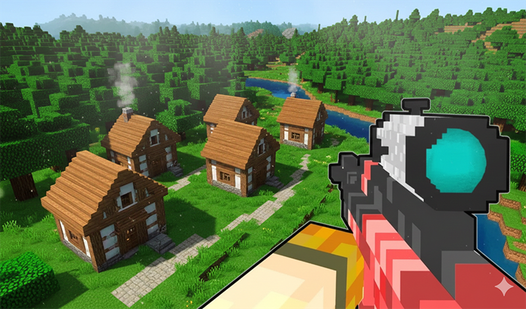

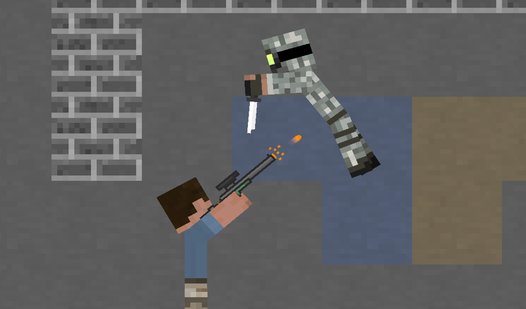
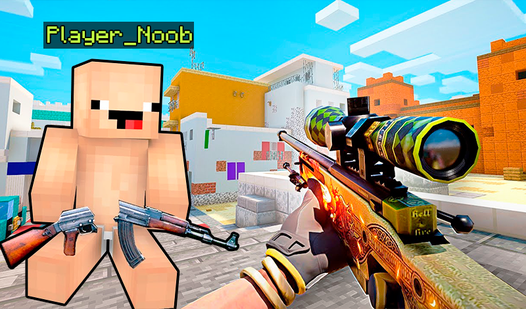
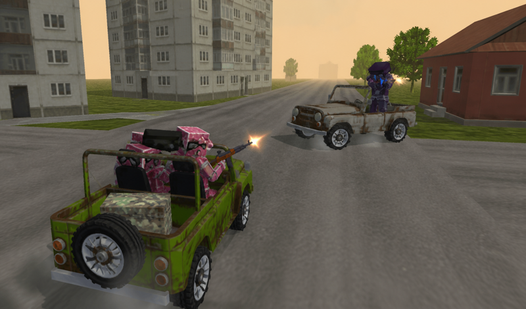
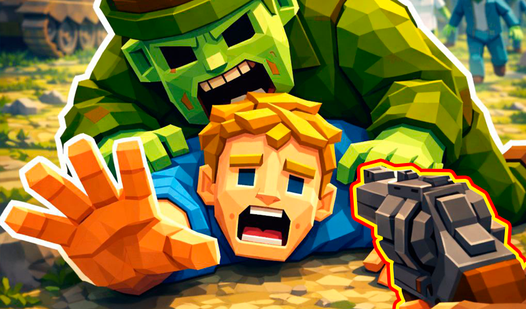
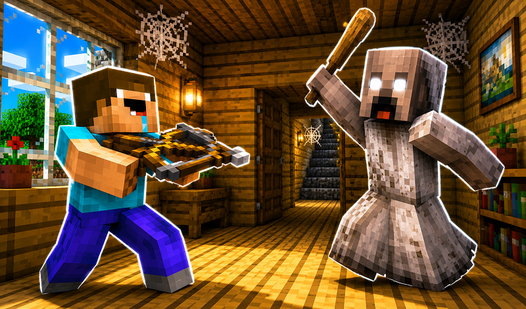
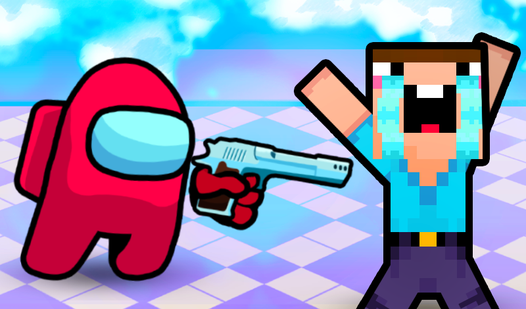
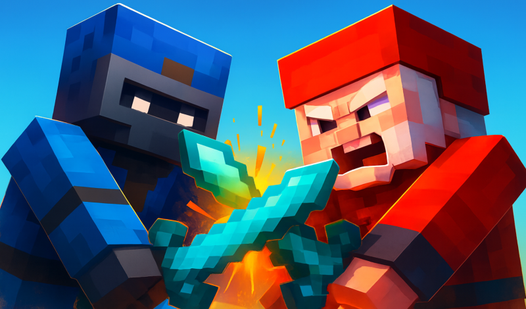
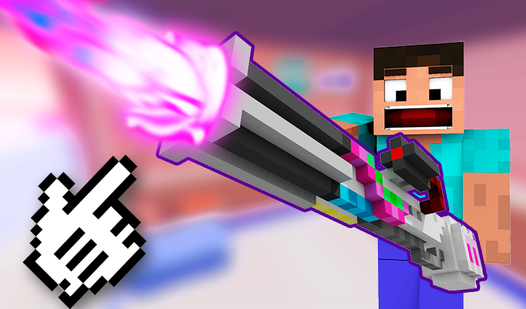
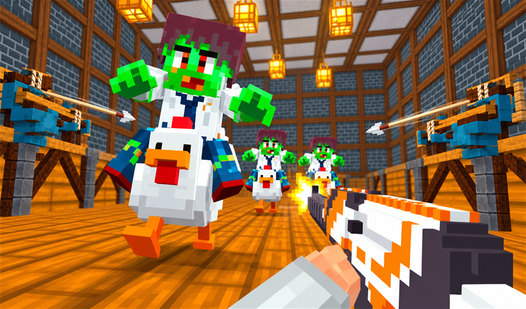
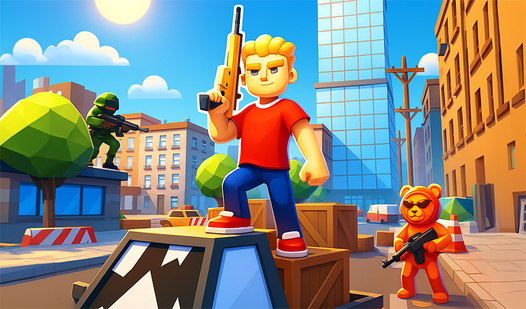
Shooter games are titles where the primary verb is to aim, fire, and hit a target - whether a human opponent in multiplayer, a bot in a wave mode, or a moving object in a shooting gallery.
The selection spans shooters with different perspectives and rules. Skills transfer unevenly: a top-down shooter rewards different instincts than a first-person game, and battle royale adds resource management to the shooting mechanic.
Browser shooters differ in their maps, movement, aiming and online modes. When choosing one, check the controls and match rules; visual style alone does not tell you how responsive a game will feel on your device and connection.
Sub-formats the hub covers:
- First-person arena shooters - Krunker-style; fast matches and quick aiming - Battle royale - shrinking zones, scavenged loadouts, last-player-standing; Surviv.io remains the browser reference - Top-down and isometric - bullet-hell and tactical variants where you see the whole playfield - Hero shooters and ability-based - class or hero selection with skill cooldowns rather than pure gunplay - Wave and deathmatch bots - single-player against AI waves
Sessions run 3–15 minutes per match. Arena shooters sit at the short end; battle royale stretches toward the longer end when you survive into late-game.
For players specifically interested in the Fortnite-shaped corner of the catalog - building mechanics, battle royale format, cartoon visual style - Games Like Fortnite You Can Play Free in Your Browser (2026) walks through the closest browser alternatives with a feature-by-feature breakdown. The broader shooter catalog lives in this hub; check the game description if you want a first-person perspective.
A shooter is any game built around ranged combat - first-person, third-person, top-down, or isometric all qualify. FPS is the subset filmed from the player character's eyes (first-person perspective), typically with a weapon held in front of the camera.
A game may offer ranked matches or other competitive modes. Check its current rules and matchmaking options, then learn its movement, aiming and objectives.
Aim-assist support depends on the game and input method. Check its aiming, sensitivity and assistance settings if they are available, then try the controls before joining a match.
Account and party rules depend on the game. If it provides a private room, invitation link or lobby code, use that feature to bring a friend into the same match. Check the allowed player count and account requirements instead of assuming that a shared account supports simultaneous play.
Check the individual age label and game content. Even with a cartoon style, look at combat, blood effects and public chat before choosing a shooter for a child.