Finding games…
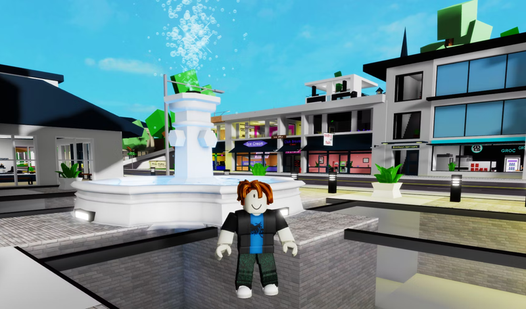
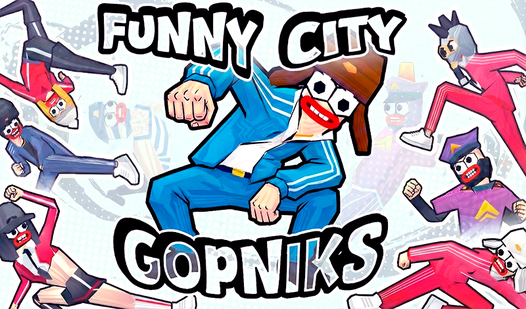
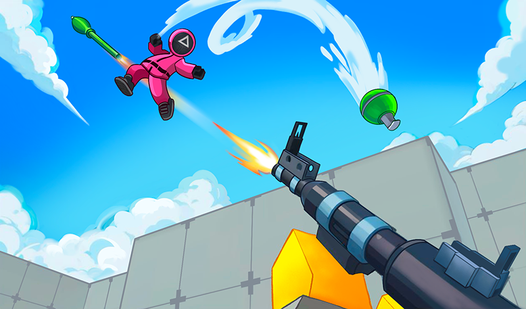
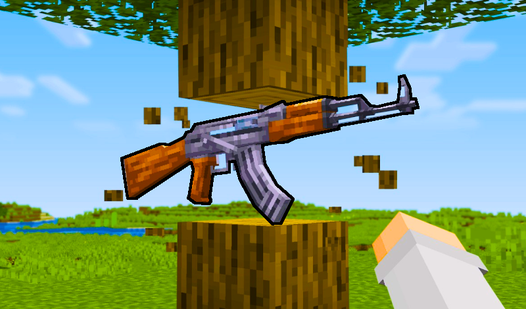
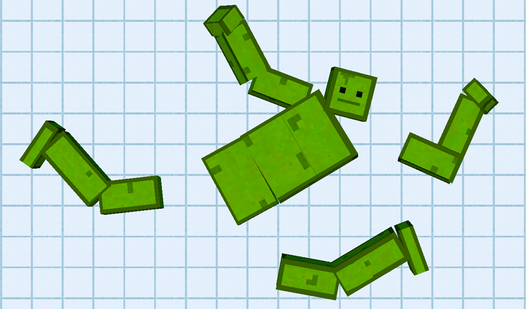
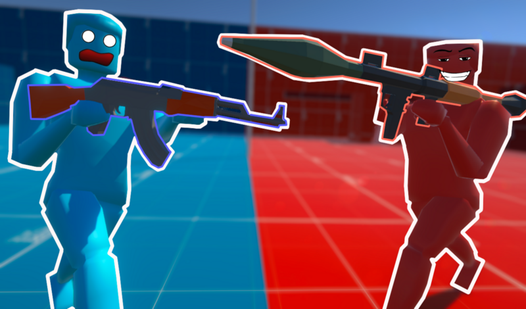
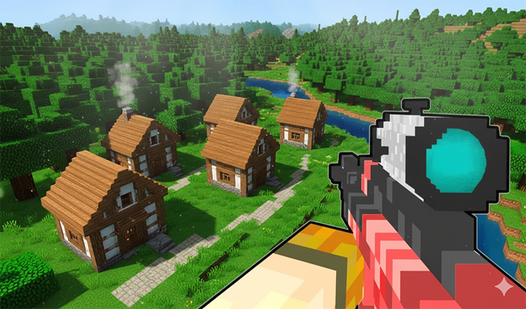
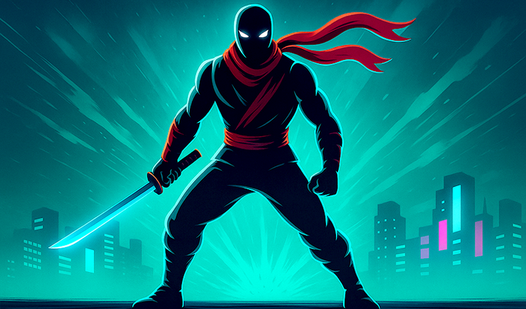
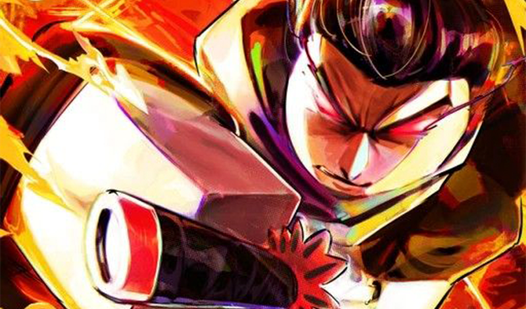
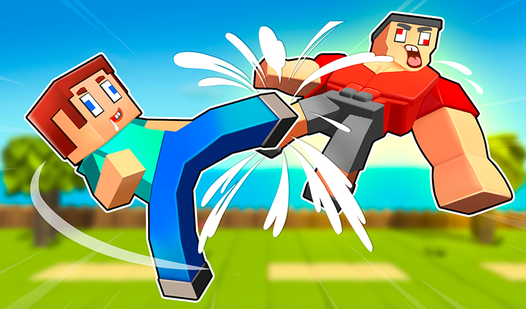
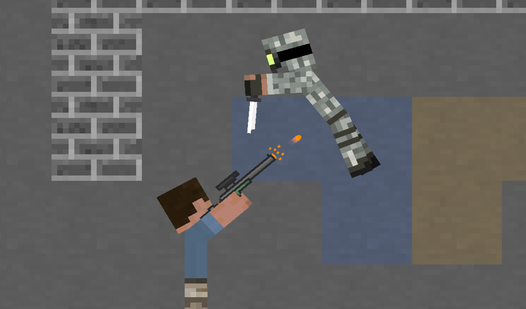
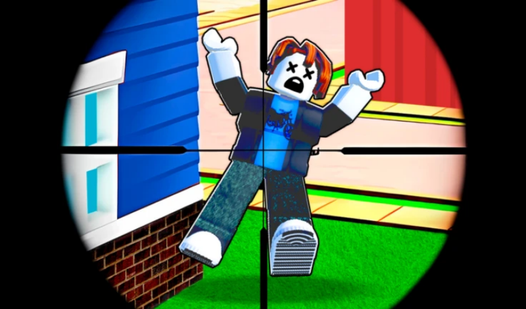
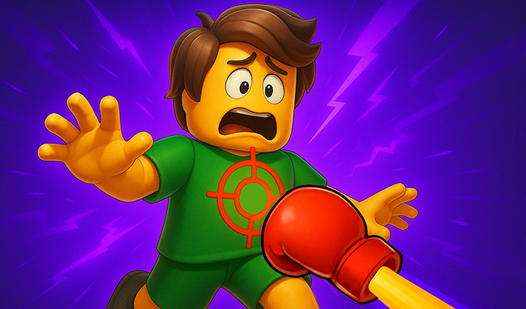
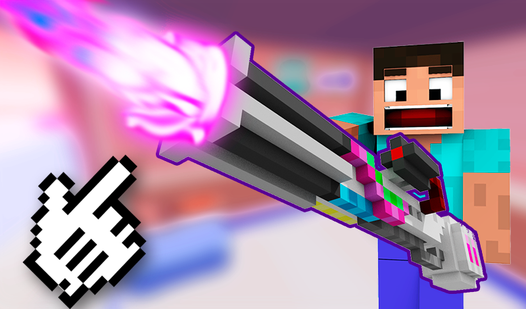
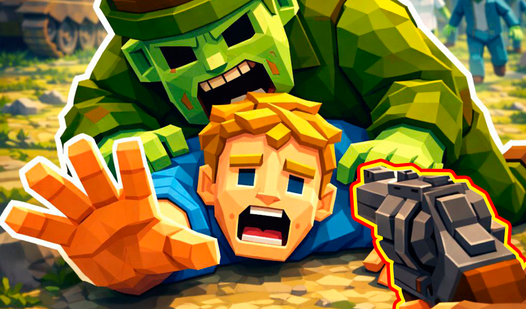
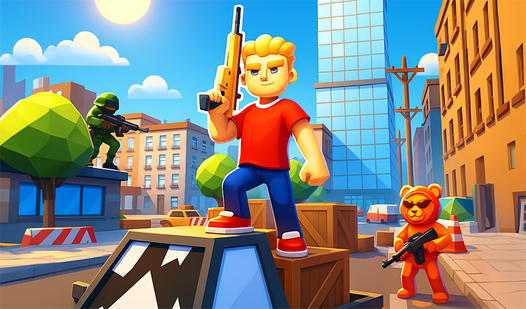
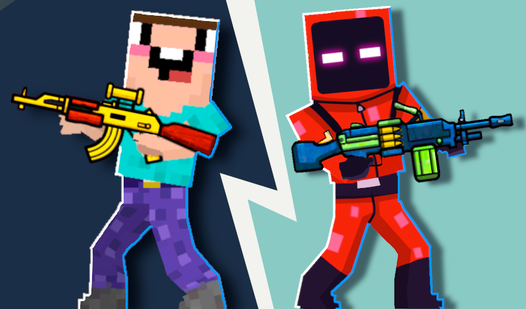
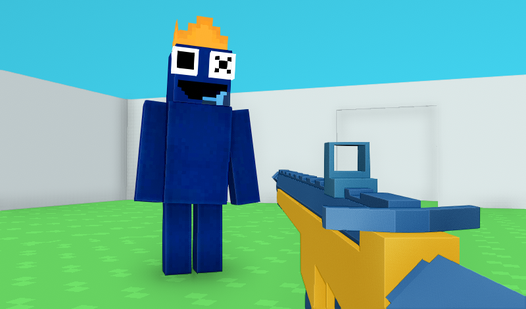
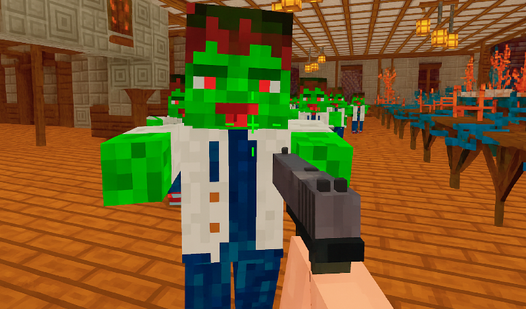
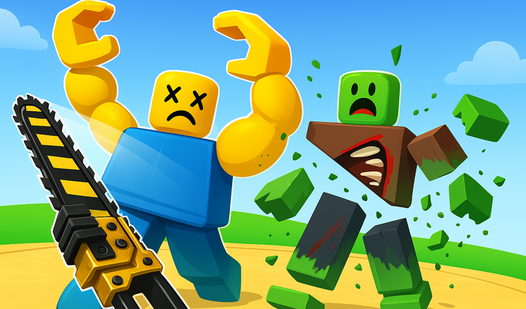
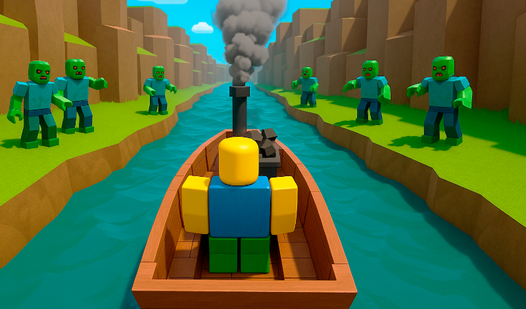
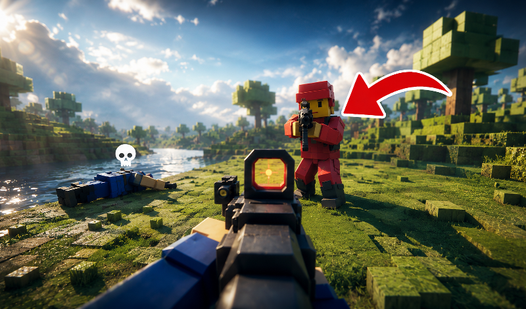
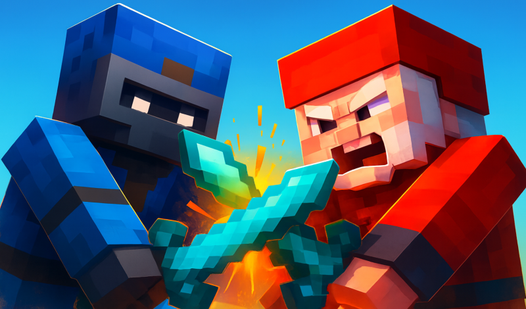
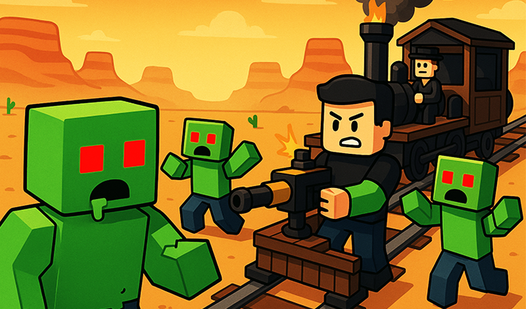
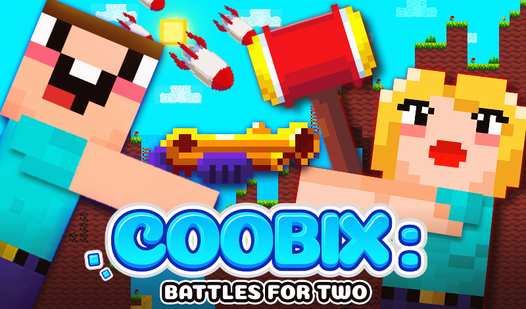
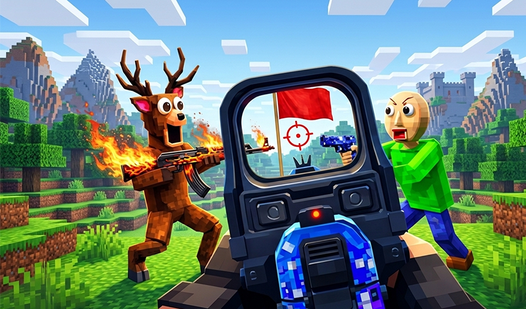
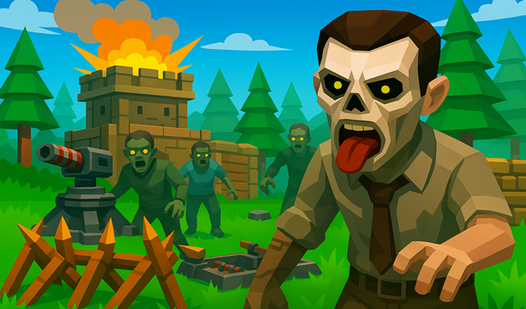
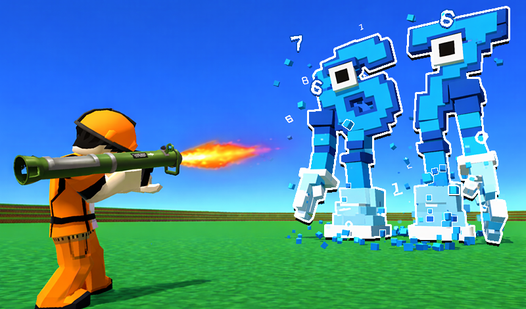
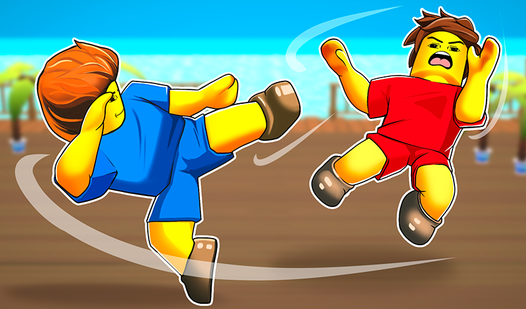
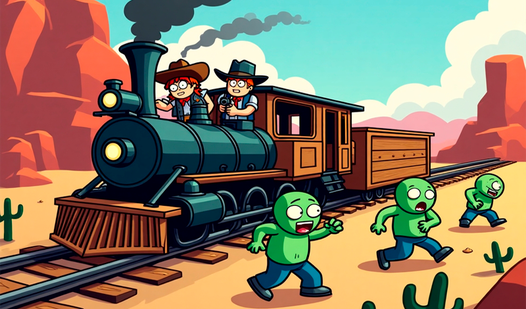
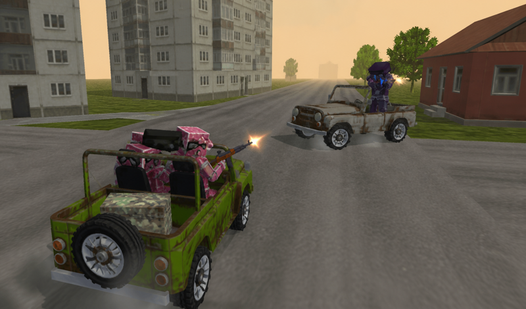
Action games are titles where the primary challenge is reflex and timing - fast decisions under pressure, driven by combat, pursuit, or precision movement rather than problem-solving or strategy.
The action category is a broad genre group on nub.games, with the boundary between "action" and adjacent genres (shooter, platformer, racing) deliberately loose. What unites the category is pace: an action game makes demands on your attention every few seconds, unlike a puzzle or idle game where you can pause mid-action and return to the same state. Fail states in action games are almost always instant and recoverable - die, restart, try again - rather than the slow resource drain of strategy or the cumulative error of a logic puzzle.
Sub-formats this hub covers:
- Beat-em-up - side-scrolling brawls against waves of enemies; Castle Crashers is the archetype, though most browser versions sit a tier below in production value - Platformer-action - jump-and-fight progression through level geometry; different from pure platformers in that combat is core, not a side-event - Brawler and arena combat - fixed-arena melee where positioning and combo timing decide the outcome; shorter sessions than beat-em-ups, higher skill ceilings - Action-adventure - combat interleaved with exploration and story beats; longer sessions, higher production values - Parkour and chase - traversal-focused action without combat; running, vaulting, and dodging as the mechanic
Sessions vary widely by sub-format. A brawler round lasts two to four minutes; an action-adventure chapter stretches to 30 minutes or more.
Keyboard controls often combine movement keys with attack or action buttons. Some games also support a gamepad or touch input. Check the selected title’s instructions and settings rather than assuming a particular controller or mobile layout is available.
The action hub has the loosest internal coherence of any genre on the site, and that is a feature rather than a bug. If you don't yet know which action sub-format you want, this is the right entry point. Once you settle on brawler specifically, or parkour, or action-adventure, narrower catalogs in the collection system can follow. We don't have a dedicated editorial roundup for action yet, so Best Free Browser Games in 2026 — No Download Needed covers action picks among its broader sweep until that gap closes.
Shooters are a subset of action games — specifically, action games where the primary mechanic is ranged combat. When we say "action" without the shooter qualifier, we mean melee-first or movement-first games: beat-em-ups, brawlers, platformer-action, action-adventure, parkour. The distinction matters because the skills and session patterns differ. Shooters demand precision aim; melee action rewards timing and combo memory. Browser catalogs often merge them, but the design intent is different.
Only if the game supports it. Connect the controller, open the game and check its control settings. Browser support for controller input does not mean that every game accepts it or that every device has the same button mapping.
Action games let you practise their own demands: timing a dodge, recognizing an attack or aiming at a moving target. Improving at those tasks does not establish a percentage improvement in general reaction time or attention. Choose a game for its gameplay rather than a promised training effect.
Brawlers and arena combat are ideal — a typical match runs two to four minutes, with natural stopping points between rounds. Beat-em-ups work for medium-length sessions of 10–15 minutes. Action-adventure and platformer-action tend to stretch longer as you commit to a level or chapter, which means closing the tab mid-section feels worse. If your sessions rarely exceed 10 minutes, filter toward brawler and arena titles specifically.
Check each game’s age label and content. Action covers both movement-focused challenges and combat. Look at the chosen game’s scenes and communication options before deciding whether it suits a child.