
Obby Escape Flip Flop Battles Walkthrough
To beat Obby Escape: Flip Flop Battles, reach the finish across the obstacle course without letting rivals slap you off the platforms. Stop before a difficult jump, align the camera, wait for a safe opening, and then accelerate. During a fight, stay near the center, attack rivals from the side, and never swing while standing on the edge. A steady rhythm beats reckless speed because waiting through one trap cycle costs less time than falling and restarting.
How do you beat the obby in Flip Flop Battles?
The safest way to beat the obby is to read each obstacle, make controlled jumps, and protect your position during fights.
Do not charge through an unfamiliar section in one continuous sprint. Stop before it and identify where the platform ends, how the obstacle moves, and where you want to land. Watch the landing spot instead of staring at your character. This makes it easier to choose a line and judge whether a normal jump is enough.
Stay near the center of static platforms. Cutting close to an edge saves almost no time, while a small steering mistake or an enemy slap can cause a fall. At a moving obstacle, watch one complete cycle before entering. Once you understand its rhythm, you can use a real opening instead of guessing.
If a rival approaches, secure your position first. Do not spin the camera or swing blindly. Move toward the center, face the other player, and wait for them to approach or commit to a jump. Hitting someone who is already moving is usually safer than chasing them along an edge.
How do you clear the parkour obby without repeated falls?
To fall less often, treat every jump as four separate phases: approach, takeoff, flight, and landing.
Align the camera so the current platform and the next one sit along the same path. Approach the edge smoothly instead of tapping several nervous corrections. After takeoff, hold the chosen direction without sudden sideways input. Aggressive midair corrections can pull the character away from a narrow target.
A short gap does not need a long run-up. Extra speed may carry you across the safe part of the platform. For a longer gap, begin moving earlier and jump after building momentum. If you cannot judge the distance yet, use the first attempt to learn the jump rather than trying to set a record.
Release movement briefly after landing. This small reset prevents an accidental step off the far side and gives you time to fix the camera. On a chain of small platforms, use a repeatable rhythm: jump, land, stabilize, and jump again.
How do you play step by step?
The route becomes easier when you repeat the same preparation before every dangerous section.
- Inspect the section and identify the nearest reliable landing point.
- Rotate the camera and align your movement with the platform center.
- Watch the obstacle cycle and choose a safe moment to start.
- Move away from rivals and create enough room for a clean approach.
- Build momentum and jump without making a sharp sideways turn.
- Hold your line and watch the landing point instead of looking back.
- Release movement after landing and cancel unnecessary momentum.
- Claim the platform center and inspect the next obstacle.
- Push back an approaching rival only after securing your footing.
- Repeat the safe rhythm and reach the finish without an unnecessary race.
Do not treat a fall as a signal to run faster immediately. Identify the exact cause instead: an early jump, a late turn, too much speed, or an enemy attack. Change only one part on the next attempt. This shows you which adjustment actually fixed the problem.
How do you win flip flop battles on narrow platforms?
Platform fights favor the player who controls the center, attacks during an opponent's movement, and keeps their own back away from the edge.
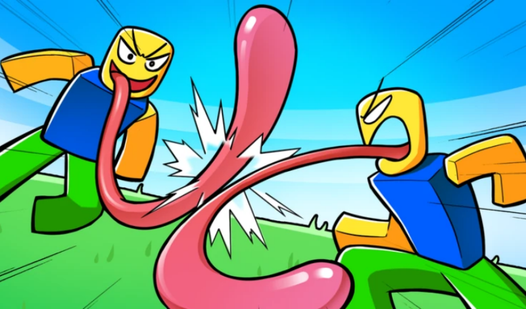
Use a slap to disrupt balance rather than swinging continuously. Wait until a rival approaches the edge, starts running, or turns sideways. It is harder for them to stop and return to a safe line at that moment. Move back toward the center immediately after attacking, even if the hit looks successful.
Do not chase a retreating player down a narrow path. They can turn around suddenly while you are closer to the drop. Block the useful route instead and force them to move around you. If several opponents are nearby, avoid standing between them. Reposition until they are on the same side of the screen so you do not have to defend two directions at once.
Before jumping over a gap, check whether someone nearby is preparing an attack. It can be smarter to skip one safe obstacle window and wait for the rival to leave. Another cycle will come, while a fall caused by a slap costs much more time.
What should you do if rivals keep knocking you off?
If you are repeatedly knocked down, change your position and timing by holding the center, avoiding jumps beside opponents, and keeping rivals in view.
A player standing at the edge is almost always vulnerable. Even a small displacement may cause a fall, so take one step toward the interior after every landing. Do not start the next jump while another player is within attacking distance. Back away, let them move first, or encourage them to waste their swing early.
Watch behavior instead of focusing only on the character model. If a rival chases everyone, put an obstacle between you and let them go ahead. If they wait at the landing area, do not jump directly toward them. Delay your takeoff, aim for another safe part of the surface, or approach only after they move.
When a crowd forms, dropping slightly behind the group can help. The leading players interfere with one another while you get more space and see where the dangerous landings are. It may not produce the fastest opening seconds, but it often leads to a faster complete run.
Which techniques do I use for consistent runs?
I rely on four simple techniques that reduce accidental falls and make unfamiliar obstacles easier to understand.
- I raise the camera slightly before a precise jump. This keeps the platform edge and landing point visible at the same time, making distance easier to judge.
- I skip the first cycle of a moving obstacle. A few seconds of observation reveal the rhythm and prevent several blind attempts.
- I do not attack immediately after landing. I recover toward the center, turn to face the rival, and only then consider swinging.
- I take a short pause after two or three failures. Rushing makes me repeat the same early jump automatically, while a pause restores deliberate control.
These techniques support one another. A good camera angle cannot save a jump taken without reading the obstacle, and an accurate landing does little if you immediately expose yourself to a slap. The goal is not to clear every section slowly. Slow down for a new threat, then move confidently through sections you already understand.
Which mistakes prevent you from reaching the finish?
The most common problems are constant acceleration, sudden camera movement, fighting near an edge, and trying to recover lost time immediately after a fall.
The first mistake is holding forward without a break. It looks fast but leaves no time to judge the next jump. The second happens when a player rotates the camera after takeoff. The control direction shifts, causing the character to land beside the intended target.
The third mistake is attacking without a reason. If a rival is not blocking the route, starting a fight only adds risk. Let them pass or maintain distance. The fourth mistake is copying another player's pace. That player may know the section better, use a different line, or simply make a bad jump. Read the obstacle instead of blindly following the nearest character.
After a fall, do not compensate with riskier jumps. This often starts a chain of new mistakes. Return to your normal rhythm and treat the next attempt as a fresh run.
How can you learn to beat the obby faster?
You improve fastest through short, deliberate practice in which every attempt tests one specific technique.
Start by practicing center landings. Choose a visible point and try to finish every jump on it. Next, work on setting the camera before moving. Add moving obstacle timing after that, and increase your route speed only when those actions feel repeatable.
Notice not only where you fell but when the attempt stopped being controlled. The real error may have occurred earlier. A poor camera angle can cause a crooked approach, which then forces a desperate correction in the air. Fixing the first cause is more reliable than trying to rescue an already broken jump.
Speed arrives naturally when your inputs become consistent. Remove pauses only on familiar, safe sections. Return to a controlled pace whenever you reach a new platform, an active obstacle, or another player.
FAQ
Can you beat the obby without fighting other players?
You can avoid many encounters by keeping your distance, letting aggressive rivals move ahead, and refusing to linger near edges. Attack only when someone genuinely blocks the safe route.
Why does the character overshoot the platform?
The usual causes are too much run-up or holding movement for too long. Use less speed for short gaps and release the direction briefly as soon as you land.
When is the best time to use a slap?
Attack when you are standing securely near the center and the rival is running, jumping, or approaching an edge. Do not swing while you are still recovering from your own landing.
How do you clear a difficult section after repeated falls?
Stop before the obstacle, watch one complete cycle, and choose a specific landing point. Change only one detail on the next attempt, such as the jump timing or camera angle.