
Obby +1 Speed Keyboard Escape Walkthrough and Level Tips

In Obby +1 Speed Keyboard Escape, you build speed, clear obstacle courses, and move from one safe section to the next. The main trick is simple: do not stay at maximum speed all the time. Slow down before fans, narrow platforms, corners, and the boss. Watch each hazard complete a cycle, then cross it with short, controlled bursts instead of one reckless sprint.
How do you beat Obby +1 Speed Keyboard Escape?
To beat the game, alternate between building speed and carefully clearing obstacles while learning the safe route from every failed attempt.
Speed helps on long, open stretches, but it can become a liability on technical platforms. A fast character needs more room to stop, overshoots small landing zones, and handles corners poorly. Treat speed as a resource rather than a benefit that must always be maximized. Accelerate when the path ahead is visible, then release the movement control before reaching an edge, fan, or narrow passage.
When entering a new section, first identify what can make you fail. Moving hazards usually repeat the same cycle. Do not jump immediately after spawning. Watch one complete cycle, locate the pause, and begin only when you understand the timing. If the route is hard to see, adjust the camera and identify the next landing point before leaving the platform.
After a fall, avoid repeating the exact same attempt automatically. Name the actual cause: an early jump, too much momentum, a late turn, or a poor starting position. Correcting one specific mistake is more useful than rushing through several attempts without learning anything.
How do you get through the boss maze?
The boss maze is easier when you scout it in short sections, maintain distance, and remember a landmark at every turn.
Do not try to find the exit in one long sprint. Excess speed makes it harder to notice junctions and can send you directly toward danger. Choose a navigation rule, such as following one wall, and keep using it unless the boss forces you away. This may not produce the shortest route, but it prevents you from wandering in circles.
Use visible details around each junction as landmarks. Remember a short sequence rather than one isolated direction: straight, left, then straight again. If the chase pushes you off the route, locate the last familiar corner and rebuild your route from there. Random turns usually lead back to an area you already visited.
Watch the space ahead, not only the boss behind you. A common mistake is turning the camera backward while running and crashing into a wall. Check the distance briefly, then face the camera forward again. Move toward the outside of a corner before turning so the character does not clip the inside wall.
If the boss gets close, avoid unnecessary jumps. Jumping can limit your ability to brake or change direction at the next junction. Use your speed on straight corridors, then ease off before a turn. The goal is not to maintain maximum speed everywhere. You only need enough distance to stay safe without losing control.
How do you beat the fan stage?
Beat the fan stage by following its rhythm: wait for the dangerous phase to end, move to the next safe point, and avoid sharp direction changes in midair.
First determine how the airflow behaves. It may be constant, switch on and off, or cover only part of the route. Test it from a safe edge. Watching one full cycle is faster than losing several attempts to an unknown pattern.
If several fans appear in a row, do not try to clear the entire section in one sprint. Split the route into individual crossings. Before each jump, place the character near the center of the platform, align the camera with the destination, and choose a visible landing point. Jumping from the extreme edge offers more range, but it also leaves less room to correct your trajectory.
When the airflow pushes sideways, aim slightly against the drift instead of moving directly toward the center of the next platform. Make small corrections. Holding the opposite direction too aggressively can send you past the safe zone when the fan stops affecting the character.
Searches for the eighth fan stage may refer to a particular version of the game, so the exact layout can vary. The reliable method stays the same: observe first, handle one fan at a time, keep the camera level, and use short movements between safe platforms.
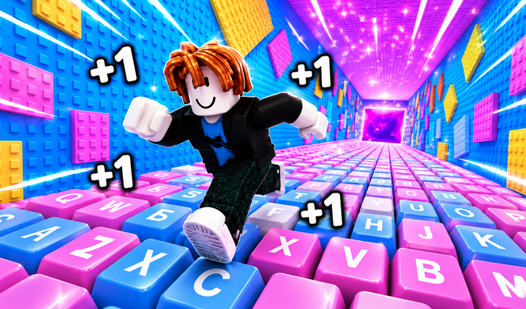
How does rebirth work?
Rebirth usually exchanges your current development progress for a permanent boost, so it is best used after reaching an available goal rather than in the middle of a difficult stage.
Read the rebirth confirmation carefully before accepting it. Different versions may reset speed, collected resources, unlocked areas, or temporary upgrades. Do not assume that everything will be preserved. If the game displays its resets and rewards, compare the permanent bonus with the time needed to rebuild your speed.
Rebirth becomes useful when further progress has slowed and the permanent multiplier will make the next cycle noticeably faster. If you are close to clearing a difficult section, try to reach the next goal or safe point first. Resetting just before a successful attempt may force you to repeat an area you already mastered.
After a rebirth, do not rush directly back to the hardest obstacle. Restore your basic speed on simple, open sections first. This lets the permanent bonus work without wasting time on hazards that your character is not yet ready to cross.
Are there answers for every stage?
There is no single answer sheet because the stages test timing, speed control, and route selection, while layouts may differ between versions.
Instead of looking for one fixed sequence of buttons, use a consistent method. Find a safe starting platform first. Determine whether the hazard follows a cycle. Select the next point that your character can reliably reach. Then decide whether you need full acceleration, a short burst, or a nearly stationary jump.
If you keep failing the same part, change only one variable per attempt. Try jumping slightly later. If that does not work, restore the original timing and reduce your run-up instead. This reveals the actual cause of failure. Changing the camera, direction, and timing at once gives you no useful information.
Mentally divide a hard stage into checkpoints even if the game does not save on every platform. Treat each corner, fan, or moving platform as a separate task. This reduces panic and makes successful actions easier to repeat.
How do you play step by step?
Use a short cycle of scouting, movement, and adjustment to clear unfamiliar obstacles consistently.
- Inspect the section and identify the route, moving hazards, and safe platforms.
- Align the camera and get a clear view of the next landing point.
- Watch one complete hazard cycle and find the largest safe window.
- Choose your pace and decide between a run-up, a short step, or a jump from rest.
- Stand near the platform center and reduce the risk of clipping an edge at takeoff.
- Move toward one selected target and avoid changing your goal halfway through the jump.
- Stop after landing and regain full control before making the next move.
- Identify why you fell and adjust one part of the next attempt.
- Build speed on long, open stretches and avoid unnecessary risks on narrow platforms.
- Use rebirth only after checking what resets and what permanent reward you receive.
How should you control speed and jumps?
The most reliable control comes from a level camera, early braking, and treating every jump as a separate decision instead of continuously holding forward.
The faster your character becomes, the earlier you must release movement before an edge. Do not wait until the character is already over empty space. Momentum may continue after you release the control. Practice stopping on a safe straight section and learn how far the character travels before coming to a complete halt.
Before jumping, set the camera so the forward direction points toward the center of your target. A sideways camera combined with diagonal movement makes the trajectory less predictable. When the platform is small, aim near its center rather than its front edge. This gives you a margin for both a short jump and excessive momentum.
Do not keep holding forward automatically after landing. First confirm that the character is stable on the platform. On a fast or slippery section, briefly releasing the control can prevent an unnecessary second step into the gap.
Which mistakes cause the most failed attempts?
The most common problems are constant maximum acceleration, jumping without observing, using an awkward camera angle, and repeating the same mistake without changing the approach.
I always use one attempt to scout a difficult section without expecting to finish it. I watch the hazard rhythm, test the strength of the airflow, and identify places where I can safely stop. The route becomes much less chaotic after that.
I release movement slightly earlier than my first instinct suggests. This matters even more after building speed because the character keeps moving with momentum, and late braking often causes an overshoot.
I avoid rotating the camera during a precise jump. I choose the angle first and then make the move. Changing the view and direction at the same time makes it easy to confuse forward movement with a diagonal input.
I change only one thing after falling. If the jump was short, I add a little run-up. If I overshot, I jump earlier or release movement sooner. This turns random attempts into a controlled adjustment of timing.
How are the other keyboard escape versions different?
Other versions keep the speed-building obby concept but may change the visuals, obstacle order, acceleration balance, and rebirth conditions.
If a familiar route looks different, do not copy your old input sequence exactly. Test the character's jump range and stopping distance first. Even a small speed difference changes the timing for every platform that follows. The important skills still transfer between versions: aligning the camera, reading hazard cycles, braking early, and moving from one safe point to another.

FAQ
How do you beat the boss maze in Obby +1 Speed?
Move in short sections, follow one wall, remember each junction, and slow down before corners. Keep the camera facing forward most of the time so you do not run into walls.
How do you pass the fan stage?
Watch a complete fan cycle, wait for the safe phase, and cross one platform at a time. If the airflow pushes sideways, aim slightly against the drift.
What does rebirth do?
It usually resets part of your current progress in exchange for a permanent boost on the next cycle. Exact conditions depend on the version, so check the listed resets and rewards before confirming.
Why does the character keep overshooting platforms?
Built-up speed and late braking are the usual causes. Release movement before the edge, align the camera in advance, and aim closer to the center of the landing platform.