
Aesthetic World of Obby Walkthrough and Tips
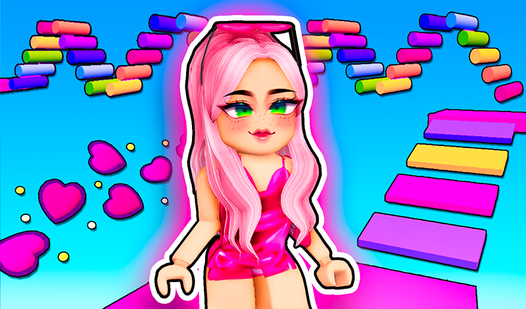
To complete Aesthetic World of Obby, move from one safe section to the next, inspect obstacles in advance, and avoid changing direction at the last moment. Your main goal is to reach the end of the route while landing accurately on each platform. The winning method is simple: align the camera, choose a landing point, prepare a controlled run-up, and only then jump.
How do you complete Aesthetic World of Obby?
Complete the course in short sections, checking the distance, platform height, and available landing space before every jump.
The hardest part of an obby is often not a single obstacle but the urge to rush through several elements without stopping. After a successful jump, pause on the safe part of the platform. Turn the camera until the next platform is directly ahead of your character, then continue.
Start with the route that is easiest to read. A short path may look attractive, but narrow surfaces and awkward angles can make it slower. A longer chain of wide platforms is usually safer. When several directions are available, inspect not only the first jump but also the next two or three. An easy entrance is not useful if it leaves you near an edge with no room for the following run-up.

How can you tell where to go next?
Look for a visually connected chain of platforms and inspect the route with the camera before leaving a safe position.
Do not focus only on the nearest object. Rotate the view sideways and slightly upward, since the course may continue behind scenery, above your current platform, or at an unexpected angle. Matching colors, repeated shapes, and gradual changes in height can reveal the intended sequence.
If two routes appear equally plausible, choose the one where you can already see another safe stopping point. Walk to the edge without jumping and inspect the area from a lower or side angle. A quick check takes less time than a blind attempt followed by a restart.
Other players can also reveal the general direction. Do not copy their jump without preparing, though. Their starting position and camera angle may differ from yours, so set up your own approach first.
How do you play step by step?
Divide every obstacle into preparation, execution, and a safe stop so that each attempt produces a predictable result.
- Inspect the obstacle - identify the next stable surface and the likely continuation of the route.
- Place the character near the center - create enough room for a run-up and directional corrections.
- Align the camera - point the view along your intended movement so sideways drift is immediately visible.
- Choose a landing point - aim for the center or widest area instead of the front edge.
- Prepare the run-up - use a short approach for a nearby platform and more available space for a distant jump.
- Jump without turning sharply - preserve the chosen trajectory while airborne.
- Ease off movement before landing - reduce the chance of running across the platform or slipping over its far edge.
- Stabilize after landing - stop, restore a useful camera angle, and only then begin the next maneuver.
You do not need to perform these steps painfully slowly. After a few attempts, the preparation takes a second, while the number of accidental falls drops considerably.
How can you make jumps more accurate?
An accurate jump begins with the character's starting position, not with a last-second button press.
For a straight jump, place the character so the center of the next platform lies directly along the movement line. The camera should face the same way. When the view points far to one side, even a small control adjustment can send the character past the target.
Aim for the middle of a wide platform. On a narrow surface, consider the entire landing zone rather than only its front edge. Continuing to hold forward after contact can carry the character through the safe area and off the opposite side. Release the direction slightly before landing, then correct your position with short inputs.
Use the available run-up for a long jump, but do not begin right beside the edge. Step back, align the route, and accelerate in a straight line. Excess speed has the opposite effect on a short jump. Start closer and stop pressing forward sooner.
What should you do if your character keeps falling?
Find the repeated cause of each fall and change only one part of the attempt at a time.
If the character falls short, check the run-up and jump timing. If you overshoot, release forward earlier. When you miss to one side, correct the camera and starting angle instead of making a sharp turn in midair. This diagnostic approach is faster than randomly changing every input.
Do not immediately repeat a failed jump from the same awkward position. Return to the center of the safe platform and reset the view. If the game respawns you at checkpoints, confirm that you reached the latest available one. When no marker is visible, remember a distinctive nearby landmark so you can quickly recover the route after a fall.
Sometimes the problem is not the jump but the loss of control after landing. Stop completely for a moment. This pause is especially useful after a fast sequence, when you may still be holding a direction out of habit.
How do you handle narrow and difficult sections?
Reduce unnecessary movement on a difficult section, then increase your speed only after you can complete it consistently.
On a narrow walkway, align the camera with its length. Look ahead while monitoring the character's position between the edges. Correct the course with brief inputs. Holding a side direction for too long often turns a minor error into a fall from the opposite edge.
Before crossing a moving obstacle, do not rush forward at the first opening. Watch a full cycle, identify the moment with the largest safety window, and begin moving slightly in advance. If several hazards repeat, clear them one at a time and use any safe platforms between them.
At a corner, finish the landing before rotating the camera and character. Trying to land, turn, and jump again at once requires too many corrections. A fast chain may look impressive, but two separate actions are more dependable on a first run.
Which tips help you complete an obby faster?
Fast completion comes from repeatable technique rather than constant risk.
- I track the character's body instead of decorative details. This makes the actual trajectory easier to read and helps me notice sideways drift before jumping.
- I release movement before touching a small platform. The character carries less excess momentum, so I rarely need a desperate backward correction near the edge.
- I use the first attempt to collect information. On a new difficult element, I test distance and speed instead of forcing the entire sequence. My next attempt is more accurate because I adjust one specific variable.
Increase your speed only on sections you already understand. Link two simple jumps when you know both the starting and landing points. Return to a controlled rhythm before a narrow, high, or poorly visible platform. One brief pause is faster than repeating the entire route.
How can you explore without losing progress?
Check for safe return points and avoid leaving the route until you can recognize the last reliable section.
An open area encourages you to inspect every structure and decorative object, but not every visible surface belongs to the course. Before taking a detour, look for an obvious way back. Do not jump down merely because you can see a platform below. The return trip may require a jump without enough room for a run-up.
If the game uses checkpoints, approach them fully and wait for visual confirmation when the interface provides it. When there are no obvious markers, create your own landmarks by remembering a large structure's color, a platform's shape, or its direction from the starting area.
What should you play after Aesthetic World of Obby?
After completing the game, you can practice the same skills in other open-route obbies that reward camera control and accurate movement.
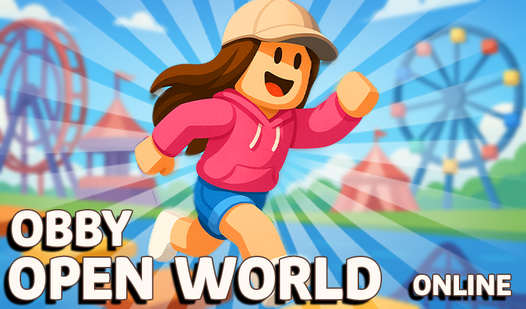
In Obby Open World Online, use the same sequence: inspect the area, select a safe chain, and make controlled jumps. Obby Open World Brainrot Online can test your ability to adapt to unfamiliar visuals. Do not transfer every movement automatically. Check the controls and character behavior first, then begin increasing your speed.
FAQ
How can you complete Aesthetic World of Obby without falling frequently?
Stop after every difficult jump, align the camera with your movement direction, and aim for the center of the next platform.
Why does the character overshoot small platforms?
You are probably continuing to move forward after landing. Release the direction slightly earlier and use a brief correction once you are safely on the platform.
What should you do when you cannot see the rest of the route?
Remain on a safe surface and rotate the camera sideways, upward, and downward. Look for a chain of similar elements and a visible place to stop after the next jump.
Should you always choose the shortest route?
No. A longer route with wider platforms is often faster overall because it causes fewer falls and repeated attempts.