ASMR Keyboard Escape: How to Beat the First World Boss

To beat the first world boss in +1 Keyboard Escape ASMR - Candy and Chocolate, do not keep pushing forward. First identify the repeating obstacle cycle, wait on the safe part of a key, and move only after the dangerous phase has ended. The boss tests patience, accuracy, and your ability to stop at the right moment rather than rapid button pressing.
How do you beat the first world boss in ASMR Keyboard Escape?
The core strategy is simple: spend one attempt observing the arena, then move only during the safe openings you have already identified.
The stages before the boss encourage quick jumps from key to key, so holding forward can become a habit. That rhythm often causes trouble in the boss area. Stop on the first stable platform and watch for repetition. It does not matter whether the danger appears as a moving obstacle, a boss attack, or a changing part of the route. You need to identify three things: when the dangerous phase begins, where you can wait, and which signal means that the path is open again.
Watch the space ahead of your character instead of staring at the boss. A large animation may hide useful details, while the edge of the next key or an empty part of the path reveals where you actually need to go. If the camera can be adjusted, use an angle that shows both your current platform and your intended landing point.
Pause briefly after every successful move. Do not turn two readable jumps into one long combination because the second obstacle may activate later than the first. The fewer rushed decisions you make, the easier it becomes to preserve the attempt until the end of the stage.
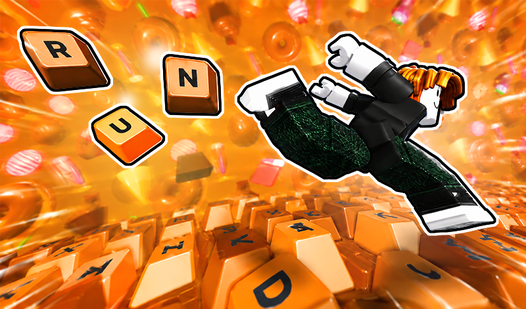
How can you read the boss attacks and find a safe spot?
A safe spot is identified through repetition: if an area remains clear during several identical cycles, you can use it as a waiting point.
Do not try to win immediately on the first attempt. Stand somewhere secure and observe at least one complete cycle. Note which areas become dangerous first, how the threat moves, and how many actions fit between phases. You do not need to count exact seconds. It is easier to follow a visual cue, such as an animation ending, a passage clearing, or an obstacle returning to its starting position.
Avoid standing directly on the edge of a key. Your character may appear to fit but still touch a hazardous area or slide off after a sudden turn. The center of a platform gives you room to correct mistakes. Face the next destination before the safe window begins. When the opening appears, you can focus on moving or jumping instead of fixing your direction at the same time.
The candy and chocolate theme can also make the route harder to read. Treat bright sweets, glossy effects, and decorative pieces as background until you confirm that they affect collisions. Focus on platform boundaries, shadows, and the character's actual reaction. This makes decorations easier to distinguish from real obstacles.
How do you play step by step?
Follow a short plan so every attempt provides new information instead of repeating the same mistake.
- Stop before the dangerous area and preserve the attempt. You gain time to inspect the arena without an accidental fall.
- Observe a full cycle and find the repetition. You learn the order of attacks or moving obstacles.
- Choose a central waiting point. Your character has room to turn and make a small correction.
- Aim the camera at the next platform. You can see both the character and the future landing point.
- Wait for the dangerous phase to finish. The route becomes fully open instead of briefly appearing safe.
- Make one precise move. A single jump or short dash is easier to control than a long chain of commands.
- Release the direction after landing. Your character will not continue toward the edge of the next key.
- Check the new position before continuing. You can notice a rhythm change or the activation of another obstacle.
- Repeat the cycle until you reach a stable area. A consistent sequence works better than trying to rush through everything.
- Keep the same calm pace near the exit. Being close to the finish does not make the final obstacle safer.
If one transition keeps failing, change only one part of your input per attempt. Adjust the starting moment first, then the direction, and finally the length of the press. Changing everything at once makes it difficult to tell which adjustment helped.
Why can I not beat the boss in ASMR Keyboard Escape?
Most failed attempts are caused by moving too early, continuing to run after landing, or reacting before learning the complete cycle.
The first common mistake is moving as soon as an animation begins. A visual effect may be warning you about an attack rather than opening the path. Wait until the required area is actually clear. If your character is caught in the same place every time, start slightly later instead of trying to press faster.
The second mistake comes from holding a direction. The character lands successfully but keeps moving and touches an edge or the next hazardous area. Use short presses. Release the controls for a moment after every jump, then make a separate adjustment to center the character.
The third problem is the camera angle. A low view may show the candy scenery clearly but hide the distance between keys. A very high view simplifies the route but can make height and jump timing harder to judge. Look for a middle angle where platform edges do not overlap.
The fourth mistake happens close to the end. Players see the exit, speed up, and abandon the rhythm that worked everywhere else. Treat the final platform like any other part of the route. Secure your landing, release the controls, and only then move toward the exit.
Which tips make difficult sections easier?
The best techniques reduce accidental movement and turn each attempt into a sequence you can test and repeat.
- I scan the visible route first and choose two points: where I will wait and where I will land. I do not move while the landing point is blocked or appears dangerous.
- Before jumping, I place the character closer to the center of the key instead of directly on its edge. The run-up may be shorter, but I have more room if my direction is slightly wrong.
- I release movement immediately after landing. This short pause is especially useful on small keys, where one extra input can turn a successful jump into a fall.
- If I fail at the same point twice, I use the third attempt only to test my starting time. I do not change the camera, trajectory, and pace simultaneously.
It also helps to ignore the urgency created by music or busy animations. If there is no actual timer, rushing provides no advantage. Even an obstacle that initially looks random often reveals a stable order after a few seconds of observation.
How can you jump across the keys more accurately?
An accurate jump begins with a straight approach, a clear landing point, and releasing movement at the correct time.
Line up your character with the wide part of the next key. Do not aim for the nearest corner just because it shortens the distance. A corner leaves almost no room for error. If a platform moves or temporarily becomes hazardous, target the point that will be safe when you land, not the point that looks safe when you start.
Avoid pressing several directions unless a correction is necessary. Diagonal movement can be helpful, but it makes the trajectory harder to judge on a narrow platform. Try a straight jump first. Add a small sideways correction only after you know which way the character consistently drifts.
Compare where repeated failures occur. Falling short suggests that movement was released too early or the starting position was poor. Overshooting or sliding off usually means the input lasted too long. If the character lands at the correct distance but gets hit by an attack, the jump is fine and the timing needs adjustment.
Where can you practice before trying the boss again?
Similar keyboard escape games are useful for practicing rhythm, camera control, and short inputs without relearning every visual detail of the main game.
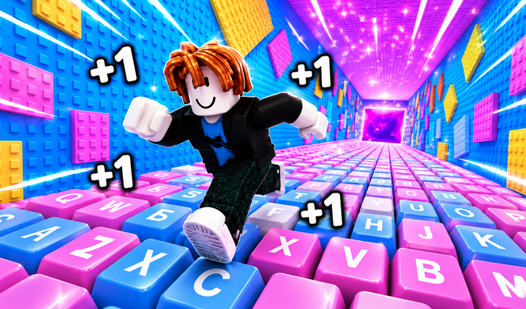
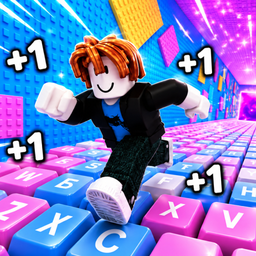
In the speed versions, ignore the best possible time and practice a stable sequence instead: stop, set the direction, jump, and release movement. After several repetitions, this routine becomes automatic. When you return to the boss, you can focus entirely on the hazard cycle.
Keep in mind that a similar title does not guarantee identical physics. Jump distance, movement sensitivity, and camera placement may differ. Use the related games to train the general skill, but test the controls again in a safe area when you return to the main version.
How can you save attempts and learn from mistakes faster?
Every defeat should answer one question: was the mistake related to timing, direction, input length, or the choice of a safe area?
Do not restart automatically. Take a second to remember the final transition and name the cause of the fall. A specific conclusion such as "I started too early" is more useful than blaming bad luck. On the next attempt, change only the action at that problem point. Repeat the already reliable part of the route without experimenting.
Divide the boss into short sections between stable platforms. Consider the first section learned once you can clear it repeatedly with the same inputs. Then focus on the next one. This method removes the feeling that every defeat forces you to learn the entire arena again.
If the route becomes harder after changing the view, return the camera to its previous position. Constant camera movement changes the relationship between your inputs and the character's direction, which disrupts muscle memory. Adjust the camera from a safe platform and leave it alone during a jump unless a correction is essential.
FAQ
How do you beat the first world boss in ASMR Keyboard Escape?
Observe a complete attack cycle, choose a stable waiting point, and cross one safe area at a time. Do not begin the next jump immediately after landing.
Do you need to press the keys quickly during the boss?
Precise timing is usually more important than speed. Short, controlled inputs reduce the risk of running past a safe platform.
Why does the character fall after a successful landing?
You are probably holding a direction for too long. Release movement as soon as the character touches the platform, then use a separate input to adjust the position.
What should you do if the boss attacks seem random?
Spend one attempt observing the complete cycle without rushing. Memorize the visual signals that begin and end the dangerous phase instead of counting exact seconds.