
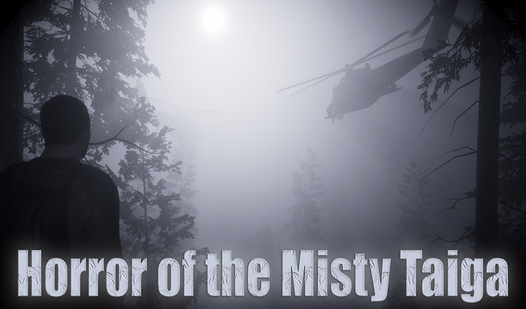
Horror of the Misty Taiga Walkthrough and Tips

To complete Horror of the Misty Taiga, do not run blindly into the fog. Study the nearest safe area, identify reliable landmarks, listen for useful audio cues, and move toward one clear point at a time. Your goal is to find a way forward and survive dangerous encounters. The core strategy is to remember your route and always leave yourself somewhere to retreat.
How do you complete Horror of the Misty Taiga?
The game becomes much easier when you explore the taiga in short trips and update your safe route after every discovery.
Fog hides distant objects, so trying to scan the entire location at once is ineffective. Focus on the nearest visible area instead. Before moving, choose a point that should remain recognizable: the edge of a path, an unusual tree, a structure, a light source, or a distinct bend in the terrain. Once you reach it, stop and select your next landmark.
Do not assume that every open direction is the correct route. Check whether the path continues and whether it gives you room to maneuver. A narrow passage may lead toward the objective, but it can also become a trap when danger appears. If retreat is possible, remember at least one turn that leads back to safety.
Explore branches systematically. At a junction, check one side, return to the familiar point, and then examine the other. This prevents you from confusing an unexplored route with one you have already searched. A discovered clue, an interactive object, or a visible change in the environment is usually more useful than random wandering. After such an event, consider revisiting places where nothing happened earlier.
How do you play step by step?
A short loop of scanning, choosing a landmark, acting, and returning will keep progress controlled and reduce unnecessary risks.
- Inspect the starting area and establish a basic route. Check nearby passages, visible objects, and possible dead ends before entering the fog.
- Choose a recognizable landmark and preserve your direction. Move only toward a point that you can confidently connect to your previous position.
- Travel in short sections and monitor your surroundings. Pause after each turn to notice environmental changes or an approaching threat.
- Check branches one at a time and eliminate empty routes. Mentally mark searched directions so you do not revisit them without a reason.
- Interact with unusual objects and gain new information. If something stands out from the environment, approach carefully and check whether an action is available.
- Reassess the route after an event and locate any newly opened path. A sound, visual change, or new danger may indicate that the state of the area has changed.
- Return to a familiar point when you lose your bearings. Do not answer one navigation error with several random turns.
- Enter dangerous areas only after planning an exit. Decide where you will turn or retreat if the direct route becomes blocked.
- Repeat successful routes after a failed attempt and save time. Move through known safe sections with confidence, but continue watching for changes.
- Slow down before entering a new area and maintain control. Gather information first, then increase your pace once the route makes sense.
How do you complete Horror of the Misty Taiga on a phone?
Mobile play is easier with smooth camera movement, a comfortable grip, and sensitivity adjusted before the dangerous sections begin.
Use landscape orientation if the game supports it. The wider view provides more room to monitor the edges of the screen. Close unnecessary tabs and background apps that could cause stuttering. In a horror game, even a brief freeze can stop you from turning or changing direction in time.
Test the controls in the safe starting area. Make a full turn, walk in a straight line, enter a narrow passage, and turn back quickly. Lower the sensitivity if the camera repeatedly moves past your target. Increase it slightly if a simple turn requires several swipes. The goal is predictable movement, not maximum speed.
Avoid keeping a finger at the edge of the display because it can cover the exact area where a landmark appears. Clean the screen before a difficult attempt and position your hands so accidental touches do not open a system panel. If the browser offers a full-screen mode, using it can reduce mistaken inputs.
What should you do if danger keeps catching you?
Stop reacting at the last second and prepare an escape route before entering suspicious areas.
A panicked turn toward an unfamiliar direction is one of the most common mistakes. In heavy fog, it often leads to a dead end or back to the same location. Before entering an open area, look behind you and memorize the return view. A familiar entrance can look completely different from the opposite side.
If the game has running or limited stamina, avoid spending that resource merely to explore faster. Save it for the moment when a threat has already appeared. Aim the camera toward your intended path before reaching a corner. That is safer than arriving at a junction, stopping, and only then deciding where to go.
Do not repeatedly turn around to measure the distance to a pursuer. Frequent camera movements disrupt your route. Identify the general direction of danger, focus on the path ahead, and follow turns you already know.


How do you avoid getting lost in the misty taiga?
Build a mental map from a few reliable points and connect every new area to somewhere you already recognize.
Separate strong landmarks from weak ones. Large objects, the shape of a road, the edge of an area, and obvious terrain changes are dependable. Shadows, small details, and similar trees are not. Fog and viewing angle can make them look different. Whenever possible, remember two features at the same location, such as a path bend and a nearby object.
Describe each turn with a simple instruction: left from the structure, then straight to the bend. A short verbal route is easier to retain than a complicated mental image. After several turns, repeat the chain in reverse. If you cannot reconstruct it, stop and recover the last section you understand.
When you suspect that you are walking in circles, do not continue in the hope of finding an exit by chance. Compare the area with your last familiar location, choose one direction, and follow it until you get a clear result: a new zone, a dead end, or a return. A methodical search is faster than chaotic movement.
Which mistakes prevent progress?
Most failed attempts come from lost route information and rushed decisions rather than slow reactions.
The first mistake is moving forward without pauses. Stopping briefly makes it easier to hear a signal, notice movement, and understand the shape of a junction. The second mistake is treating similar areas as the same place. Identify a location through a combination of features instead of a single tree or rock.
The third mistake is revisiting every old passage after any event. First consider which location could logically be connected to the clue or environmental change. Otherwise, you will repeat the entire map without a plan. The fourth mistake is abandoning your route after the first frightening sound. A sound may warn you, but a random escape is often more dangerous than a short pause followed by a deliberate decision.
On phones, players also tend to make camera movements that are too large and abrupt. This may feel fast, but it hides entrances and landmarks. Adjust the view once and avoid changing sensitivity after every failed attempt.
Which tips help you finish faster?
A faster completion comes from a repeatable route, not from taking constant risks.
- I learn one safe section between two obvious landmarks before exploring the next area. After a failure, this saves more time than trying to rush through the whole location.
- I look backward before every important turn. This shows me what the return route will look like before I need to find it during a chase.
- On a phone, I use shorter camera swipes than usual. Several precise movements provide more control than one sharp turn that destroys my sense of direction.
- If two routes look similar, I check one until I get a clear result and then return to the junction. Mixing several branches at once almost always makes the mental map less reliable.
Do not measure progress only by distance. A dependable route, a confirmed dead end, and a consistent response to danger are also valuable discoveries. Your next attempt should repeat successful decisions and change only the moment that caused the failure.
FAQ
What is the objective in Horror of the Misty Taiga?
The objective is to explore terrain hidden by fog, find a route forward, and survive dangerous encounters. Progress depends on careful observation and route awareness.
How can I avoid getting lost during the walkthrough?
Move between recognizable landmarks, inspect one branch at a time, and remember how every important turn looks from the return direction. Go back to the last reliable point if you become lost.
Can I complete Horror of the Misty Taiga on a phone?
Yes, provided that the game runs in your mobile browser and supports touch controls. Use landscape orientation, adjust camera sensitivity, and close unnecessary background apps.
What should I do after a failed attempt?
Repeat the safe route you have already learned and change only the decision that caused the failure. Do not restart your exploration with random movements.