Dress Up Games for Girls: Free Play Guide

Dress up games for girls are creative fashion games in which you build a complete look by choosing clothes, shoes, hairstyles, accessories, and sometimes makeup. Start by checking the character or theme, pick one item to anchor the outfit, then add pieces that support the same color palette and mood. There is usually no time limit or single correct answer, so you can experiment freely.
What are the rules of dress up games?
The basic rule is to create a finished outfit from the available wardrobe, although individual games may add themes, scores, races, or comparison rounds.
Most dress up games use simple mouse or touchscreen controls. You select a category, browse its items, and click or tap an item to place it on the character. Some games use drag-and-drop controls instead. Selecting a different item in the same category usually replaces the current one, while clicking an equipped item may remove it.
A complete look often includes a hairstyle, top or dress, bottoms when needed, shoes, and one or two accessories. Makeup, skin tone, facial features, backgrounds, pets, and decorative effects may also be available. You do not need to use every category. Leaving out an unnecessary necklace or bag can produce a cleaner result than filling every slot.
If the game gives you a theme, treat it as the main rule. A beach outfit, formal party look, school style, and fantasy costume call for different choices. In open-ended games, your goal is simply to make a look that feels intentional and complete.
How do you play dress up games step by step?
You play by choosing a direction first and then building the outfit from its largest elements to its smallest details.
- Read the prompt to find the goal. Check for a theme, required item, opponent, timer, or scoring system so that your choices fit the actual challenge.
- Choose a style to guide your decisions. Decide on a clear idea such as sporty, elegant, casual, fantasy, streetwear, or party fashion. This prevents random items from competing with one another.
- Pick an anchor piece to establish the look. Start with a dress, jacket, patterned top, or distinctive pair of shoes. The anchor gives you colors and a level of formality to match.
- Add supporting clothes to complete the silhouette. Pair loose pieces with more fitted ones, or use layers that remain visually distinct. Check that tops and bottoms do not overlap awkwardly.
- Select a hairstyle that suits the neckline and mood. An elaborate hairstyle can balance a simple dress, while a cleaner hairstyle can keep a detailed outfit from looking too busy.
- Use shoes and accessories to reinforce the theme. Match their formality and visual weight to the clothes. A small bag or simple earrings may be enough; more items do not automatically make a better outfit.
- Review the whole character before finishing. Look for one color that appears nowhere else, several competing patterns, hidden details, or an accessory that distracts from the anchor piece.
- Save, submit, or restart to test another idea. If the game provides a score, use it as feedback. If it does not, compare versions and decide which one communicates your chosen style most clearly.
How do you make better outfits in dress up games?
Better outfits usually have a clear focal point, a controlled palette, and details that support the same theme.
Begin with two main colors and one optional accent. The colors do not need to match exactly, but they should relate. Neutrals such as black, white, gray, beige, or denim can connect brighter pieces. An accent works best when it appears in a small area, such as shoes, jewelry, a hair accessory, or a bag.
Pay attention to visual balance. If the top contains a large print, try simpler bottoms. If the dress is highly decorated, use restrained accessories. You can also balance shapes: a fitted top often works well with a wider skirt, while a bulky jacket benefits from a cleaner lower half.
Match the outfit to its imagined setting. Ask where the character is going, what the weather might be, and how formal the occasion is. This turns a collection of attractive pieces into a believable look. In character-focused games, personality matters too. Soft colors and rounded shapes communicate something different from sharp lines, dark colors, or dramatic accessories.
Finally, edit. Remove one item and compare the result. The best improvement is often subtraction rather than another decorative layer.
How do you win at dress up games?
You win scored dress up games by following the theme closely, completing important categories, and creating a coordinated look instead of choosing every rare or dramatic item.
If a judge or rating system is involved, begin with obvious theme signals. For a formal challenge, the dress or suit, shoes, and hairstyle matter more than a tiny accessory. In a sporty round, practical clothing and sneakers communicate the theme quickly. Use decorative details only after the central idea is clear.
Some games are creative toys rather than competitions. In those games, finishing a look you like is the real objective. Try setting your own challenge: use only three colors, style the same item for two occasions, recreate a favorite fashion era, or make contrasting looks for two characters.
What mistakes should beginners avoid?
The most common mistake is selecting pieces individually without checking how they work as one outfit.
Avoid mixing several strong patterns unless the game is built around exaggerated fashion. Watch for color overload as well. Five bright colors can divide attention, while a smaller palette makes the character easier to read.
Do not assume every category must be filled. Hats can hide hairstyles, necklaces can conflict with detailed necklines, and large bags can cover clothing. Check layering order because a jacket, sleeve, or hairstyle may conceal the feature you wanted to show.
Another mistake is changing direction halfway through without revising earlier choices. If a casual outfit becomes a fantasy look, return to the shoes, hair, and accessories so they support the new idea. In timed games, do not spend the opening seconds comparing tiny details. Secure the main clothing pieces first, then refine the look with the time remaining.
What types of dress up games can you play?
Dress up games range from open wardrobes to themed challenges, character creators, makeover games, and action-based fashion games.
Classic dress up games provide a character and a wardrobe with few restrictions. They are ideal for experimenting because you can change pieces repeatedly. BFF and group games focus on styling two or more characters. The challenge is to make their looks feel connected without making them identical.
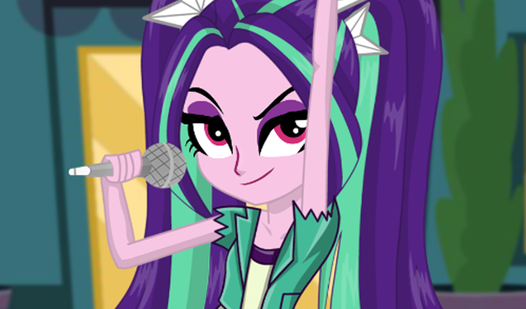
Anime dress up games emphasize character design and expressive combinations. Hairstyles, facial details, costumes, and accessories may contribute as much as ordinary clothes. Animal and pony dress up games apply the same creative process to nonhuman characters, often using colors and decorative items as the main styling tools.
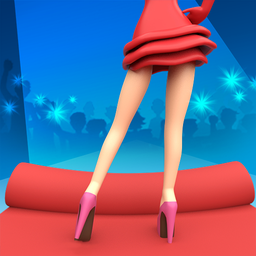
Makeover games expand the routine with makeup, hair, skincare, or salon stages. Fashion challenge games introduce themes and scores. Dress up runners combine quick wardrobe decisions with movement, so recognizing useful items rapidly becomes more important than carefully comparing every option.
What are the best dress up games for girls to play free?
The best dress up game is one that matches how you want to play: relaxed experimentation, coordinated character styling, imaginative customization, or faster decision-making.
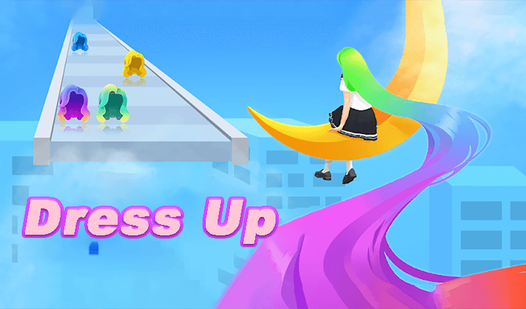
For a straightforward introduction, Dress Up is a sensible starting point because its broad title represents the classic wardrobe-building format. Use it to practice choosing an anchor piece, limiting your palette, and editing unnecessary accessories.
BFF Dress Up is the natural choice when you want to think about coordinated looks. Give both characters a shared element, such as a color, material, or level of formality, while preserving an individual focal point for each one.
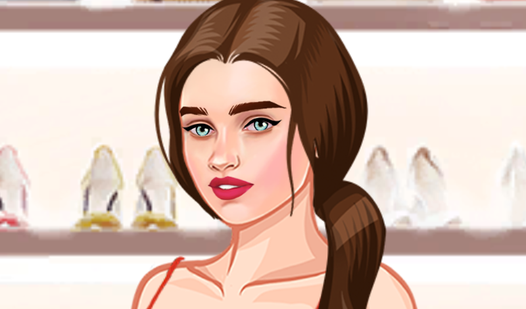
Choose Pony Dress Up when imaginative color and decoration appeal more than realistic everyday fashion. The same principles still apply: establish a theme, repeat selected colors, and avoid covering every available area with competing details.
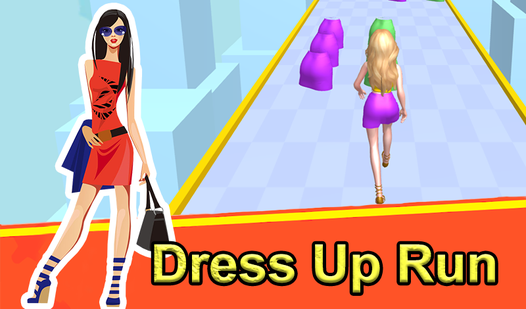
Dress Up Run suits players who prefer a more active format. In a runner-style fashion game, identify the theme early and prioritize major outfit choices. Small accessories have limited value if the central clothes do not communicate the requested look.
Try more than one format before deciding what you enjoy most. A relaxed wardrobe encourages careful composition, while a timed or moving game tests recognition and fast choices. Both can sharpen your sense of color, proportion, and theme.
FAQ
Are dress up games for girls free to play?
The catalog games featured here can be played in a browser without purchasing a traditional game. Individual games may display ads or offer optional features depending on their provider.
Do dress up games have a correct outfit?
Open-ended games do not have one correct answer. Scored games may reward theme matching, category completion, or particular combinations, so read the prompt before choosing clothes.
Can boys play dress up games too?
Yes. The genre is available to anyone interested in fashion, character creation, color, or visual design. The phrase for girls describes a common search category, not a rule about who may play.
What should I choose first in a dress up game?
Start with the theme, then choose one anchor item such as a dress, jacket, top, or pair of shoes. Build the remaining outfit around its color and style.