
Save or Lose: How to Play and Make the Right Choices

Save or Lose is a game about quick decisions: each scene asks you to recognize the threat, choose a safe action, and avoid an obvious trap. To progress consistently, identify the main danger first, then compare the options by their consequences rather than their wording. If time is limited, eliminate any answer that does not solve the immediate problem.
How do you play Save or Lose, and what is the goal?
Your goal is to survive a chain of choices and obstacles, keep the character safe, and reach the finish with as few mistakes as possible.
Each episode usually tests one of two skills: understanding the situation or controlling your movement accurately. Do not rush forward when a choice appears. Look at what threatens the character, which routes are available, and where each option literally leads. An answer that sounds friendly is not necessarily safe.
Rhythm matters more than speed during movement sections. Check the platform layout, the edges of the path, and the direction of the next turn before moving. Then cross the section with short, controlled inputs. A sudden dash may save a second, but it can easily cause a fall or collision.
Treat a failed attempt as useful information rather than bad luck. Identify the exact cause: a misunderstood scene, an early jump, a late stop, or an automatic click. Change only that action on your next attempt. This helps you discover the solution without creating a new mistake in a section you already understand.
The controls depend on your device. A computer uses keys and on-screen buttons, while a phone uses touch controls and a virtual stick. In either case, test the movement response in a safe area before entering a narrow path or attempting a precise jump.
How do you play step by step?
Use the same routine for every scene: stop, identify the threat, choose a solution, and only then perform the action.
- Inspect the scene - find the main threat. Do not immediately guess the correct door or path. First understand what the character needs to be saved from.
- Read the options - separate the action from its wording. A useful answer should remove the danger, not merely sound positive.
- Eliminate the illogical route - narrow the choice. Reject an option if it ignores the problem, leads directly toward danger, or adds unnecessary risk.
- Check the route - locate the next safe area. Before moving, find a place where you can stop and prepare for the next obstacle.
- Use short inputs - keep control. Several small movements are safer on narrow platforms than one long dash.
- Align before jumping - aim for the center. Point the character toward the target first, then jump without adding an unnecessary turn in midair.
- Remember the mistake - avoid repeating it. After losing, describe the cause in one sentence and correct that specific action.
- Keep a steady pace - cross familiar sections calmly. Do not speed up only because you have seen the scene before. Overconfidence causes many repeat failures.
If the choice has a time limit, do not invent every possible backstory. Find the immediate threat and choose the option that solves it right now. This filter is faster and more reliable than trying to guess the designer's intentions.
How do you choose the right path and avoid traps?
The correct path usually follows the logic of the visible situation, while a trap distracts you with dramatic wording or an overly easy promise.
Start by separating facts from assumptions. You can see a fact in the scene: a dangerous object, a barrier, the direction of movement, or the character's condition. An assumption appears when you add a rule the game never showed. The fewer details you invent, the easier it becomes to compare the available options.
Next, check the immediate result of every choice. Ask yourself what will happen right after you press the button. If an action does not protect the character, open a safe route, or help overcome the obstacle, it is probably not the answer. Do not select something merely because it looks funnier, kinder, or more impressive.
Before every choice, I mentally finish this sentence: If I press this, the character will immediately... This forces me to evaluate the consequence instead of the option's label. It is especially useful when both answers initially look reasonable.
Once you have found the safer option, do not change your mind at the last second. Hesitating directly before a door or path can leave the character between two routes. Choose your direction in advance and cross the boundary with one controlled movement.
How do you clear obstacles without accidental falls?
To reduce accidental falls, control the character with short inputs and select your landing point before jumping.
Stay near the center of a wide platform so you have room to correct your direction. Stop before entering a narrow section, align the camera or view, and only then move. Turning the camera, accelerating, and jumping at the same time creates too many changes in a single moment.
On a phone, avoid covering the destination with your finger. If the virtual stick feels sensitive, use a smaller thumb movement instead of repeatedly swiping from side to side. On a computer, avoid holding a movement key near an edge. Short taps produce a more predictable adjustment.
I aim for the middle of the platform rather than its closest edge. Even if the jump is slightly longer or shorter than expected, the character still has space to land. Aiming for the edge only makes sense when the route offers no safer target.
Do not try to cross a full obstacle sequence in one uninterrupted rush. Treat every stable platform as a checkpoint: stop, adjust your position, and evaluate the next move. The game may look fast, but precision usually saves more time than rushing.
If the camera hides the platform edges, adjust it while standing on safe ground. Do not repair your view during a jump. Even the correct movement direction becomes unreliable when the viewing angle changes at the same time.
Which mistakes most often prevent you from finishing?
The most common causes of failure are rushed choices, unnecessary movement near an edge, and repeating the same mistake without identifying it.
The first mistake is pressing an answer as soon as it appears. A familiar image may make the solution look obvious, but one changed detail can alter the entire scene. Pause briefly, confirm the threat, and then act.
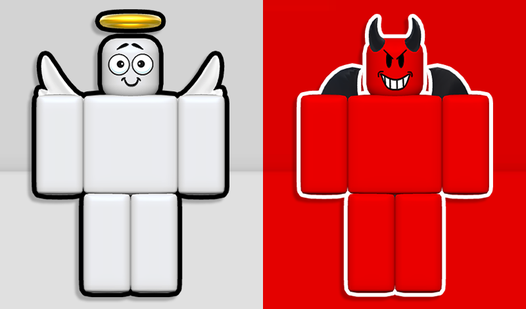
The second mistake is relying on positive or negative words. In a choice game, the pleasant option may be bait, while an unpleasant action may save the character. Compare consequences instead of emotional tone.
The third mistake is continuing to move after landing. If you keep holding a key or the virtual stick, the character can touch the platform and immediately walk off the opposite edge. Release the control slightly before landing, then move again once the character is stable.
The fourth mistake is changing your entire strategy. You may choose the correct path and then fall at the next obstacle. Do not take a different path on the following attempt. Keep the correct decision and change only the failed movement.
After every loss, I name one testable cause: I stopped too late, I chose by the label, or I jumped without aligning. If my explanation is vague, I have not understood the mistake yet. This short review is more useful than several rushed retries.
How do you play Save or Lose 3, and what should you do differently?
If Save or Lose 3 refers to a third version, map, or part of the game, use the same basic method: identify the threat, eliminate the illogical option, and perform each movement without rushing.
Do not assume that a number automatically means completely different rules. Check the familiar elements first: route choices, obstacle behavior, and the response of the controls. When you encounter an unfamiliar section, use one attempt to study how it works instead of chasing a record.
If an old solution stops working, look for the changed detail. The character may start in a different position, the order of actions may have changed, or the safer route may be less convenient. Do not test answers blindly. Compare the scene with the earlier one and find the specific difference.
If the number 3 refers to a stage inside the game, do not automatically reuse the answer from a previous scene. Similar images can test a different threat. Begin every new choice by analyzing the current situation.
Which secrets help you finish faster?
The main secret to a fast run is reducing unnecessary retries instead of cutting a second from every movement.
Use safe areas to prepare. While the character is not in danger, adjust the view, select the next target, and place your hand or finger comfortably. Preparation takes a moment but greatly reduces the chance of losing the entire section.
Remember the reason for a choice, not only the correct side. Routes are easy to confuse after several similar scenes. Logic is easier to retain: one option removes the threat, while the other leaves the character exposed.
Do not copy another player's movement literally if you use a different device. The duration of a keyboard press and the distance you move a virtual stick feel different. Follow the same route and principle, but adjust the strength and timing to your controls.
When an attempt is going well, maintain your normal pace. The urge to accelerate near the finish often destroys a strong run. The final choice and obstacle deserve the same attention as the first.
FAQ
How do I identify the correct option in Save or Lose?
Find the immediate threat first, then choose the action that removes it most directly. Do not rely only on pleasant wording or the route's appearance.
What should I do if I keep falling from platforms?
Use short inputs, aim for the center of each platform, and release the controls before landing. Adjust the camera before a jump rather than during it.
Do I need to memorize every answer after losing?
No. Remember the correct logic and the specific cause of the mistake. This is more reliable than memorizing a side or button mechanically.
How can I finish the game faster without many retries?
Pause before each new choice, plan only the next action, and avoid speeding through familiar sections. A calm run is usually faster than a series of risky dashes.