
Noob's Shop Walkthrough and Rules

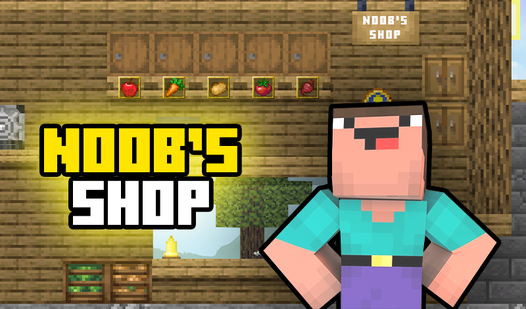
In Noob's Shop, your job is to turn a small store into a profitable business by growing produce, expanding the selection, serving customers, keeping the shop clean, and reinvesting your earnings. The key to finishing the game is simple: secure a steady supply of popular goods first, fulfill customer requests without delays, and expand only after the core loop is stable. Do not spend every coin at once, or the next restock or upgrade may bring your progress to a halt.
What are the rules of Noob's Shop?
The main rule is to keep the full business loop running: obtain goods, put them up for sale, serve a customer, and spend the revenue wisely.
Your store grows through many uninterrupted sales, not one lucky transaction. Watch what visitors request instead of collecting random products. If the requested item is missing, that customer cannot generate income and your progress slows down. Some products come from the garden, while others depend on crafting and assortment upgrades. Stock, production, and sales must support one another.
Cleanliness and customer reactions also need attention. Good service protects the shop's rating, and a healthy rating helps maintain customer flow. Treat crystals and other valuable resources as growth capital, not as an excuse to buy the first available upgrade. The story involves building the shop and repaying Pro, but the reliable path toward that goal is steady profit.
How do you play Noob's Shop step by step?
Start with basic orders and build the economy one link at a time instead of trying to unlock everything at once.
- Inspect the shop and available actions so you know where goods come from, how customers are served, and where revenue can be invested.
- Check current customer requests so you prepare products with real demand instead of freezing money in random stock.
- Obtain the first batch through the available sources so the counter does not sit empty at the start of the sales loop.
- Serve nearby customers without unnecessary delays so you earn starting money and preserve a positive reaction.
- Return part of the revenue to inventory so a few sales do not leave the shop empty.
- Maintain the garden and crafting systems once available so you can produce more goods yourself and rely less on one-off purchases.
- Clean up as soon as a problem appears so it does not accumulate and damage the customers' impression.
- Expand the selection gradually so each new product has demand and can repay its cost.
- Buy an upgrade only after building a cash reserve so growth does not remove the funds needed for the next sales loop.
- Review story tasks regularly so your profit moves you toward repaying the debt and unlocking useful options instead of funding distractions.
After every step, ask one question: could the store keep operating if a new customer arrived right now? If the answer is no, restore inventory or order first and upgrade later.
How do you complete Noob's Shop?
To complete the game, follow the story goals, develop the store, and maintain an earning pace that never leaves the shop without goods or money.
Do not treat the walkthrough as a race toward the most expensive upgrade. Divide progress into short loops instead. Meet the current customers' needs, restock, fix cleanliness or rating issues, and invest only the free balance in a new counter, a broader selection, or another available growth system.
When a new mechanic opens, do not move the entire budget into it. Test it for several loops. Notice how much attention it requires, whether it fulfills more requests, and whether it creates shortages among older products. This prevents the classic situation where you own a shiny new feature but have nothing left to sell.
Keep story tasks visible, but never complete one by emptying the register. Even the right purchase can cause a slowdown without a reserve. The safe order is a working selection, spare cash, and then story investment. It only feels slower at first and saves a long recovery later.
How do you make money in Noob's Shop?
The best income comes from uninterrupted sales of goods customers actually request, not from maximizing a single transaction.
Find the current bottleneck first. If customers spend time waiting, improve your service flow and prepare requested products in advance. If counters sit empty, focus on the garden, crafting, and restocking. If money disappears after every sale, postpone optional upgrades. Revenue and free cash are not the same thing: the register may grow while progress stalls because every coin is already needed for the next batch.
Do not keep the same quantity of every product. Hold a buffer of frequently requested goods and make rare items in smaller batches. This reduces rejected requests without tying up resources in stock that does not sell yet. Before expanding, confirm that the existing selection is supplied reliably.
It helps to think of every payment as three parts: mandatory restocking, reserve, and development. The exact shares depend on your current position, so there is no need for a rigid formula. The order matters. First, preserve the store's ability to trade. Second, create protection against an unexpected shortage. Only the remainder should accelerate growth.
Another source of losses is simple impatience. You see an available purchase, take it immediately, and discover an empty counter a minute later. Before a major expense, check whether you have enough resources for at least one more complete service loop. If not, wait.
How do you protect the shop rating?
Protect the rating by avoiding unnecessary rejected requests, keeping the store clean, and fixing the source of dissatisfaction before the next group of customers arrives.
A low score is usually a symptom of an economic failure, not an isolated problem. Empty stock causes rejected requests. An overly broad selection makes restocking harder. Rushing causes you to ignore cleanliness. Do not try to repair the rating only through review responses while the store itself continues to operate badly.
Use customer comments as diagnostics. Complaints about missing goods point to stock or production. Service complaints mean you should remove unnecessary actions between orders. Cleanliness complaints mean tidying must become part of every routine, not something you remember after the rating drops.
After a mistake, do not unlock another growth system. Run a few calm business loops instead: restore popular stock, serve customers, and clean the shop. Consistent performance is more useful than an expensive attempt to fix everything at once.
What tactics help you progress faster?
The fastest reliable tactic is to prevent downtime by preparing popular goods, keeping a reserve, and fixing one bottleneck at a time.
- I check requests before starting production. This sends resources into products that will soon turn into money instead of sitting unused.
- I never spend the last of my cash on expansion. I keep enough for restocking and service because an empty register paired with an empty counter hurts more than a missing upgrade.
- I combine cleaning and restocking into one short break. The shop then removes two likely causes of future complaints before the next customers arrive.
- I test each new option with a small investment. A few loops show whether it helps now or merely distracts from the main business.
A common mistake is reacting to the most visible event. An upgrade appears, so you buy it. A new product opens, so you stockpile it. One customer complains, so you rebuild the whole routine. Look for repeated causes instead. One rejected request may be random, but several similar failures identify a shortage.
Remember that the systems are connected. A garden without a plan creates excess stock, crafting without demand burns resources, and a wide selection without good service produces more unfulfilled requests. Every unlock should strengthen the sales loop. If it currently needs only money and attention, let the existing store build a reserve first.


What should you do when progress stops?
When progress stalls, stop major spending, identify the scarce resource, and restore one complete loop from obtaining a product to selling it.
Start with cash and stock. Have money but not the requested item? Spend on restocking or production. Have goods but few sales? Compare the selection with requests and check service speed. Sales continue but savings never grow? Delay expansion and identify the repeated expense that consumes the balance.
Then inspect the rating and cleanliness. Poor customer reactions may reflect earlier mistakes, so give the shop several careful loops to recover. Change one thing at a time, or you will not know which action worked.
Finally, return to the story objective. Players sometimes improve secondary elements for too long and forget why they are saving resources. Compare the next goal with your current economy, build a reserve, and complete it only when the shop can keep trading afterward.
FAQ
What is the goal of Noob's Shop?
Develop the store, serve customers, earn resources, and advance the story while keeping the business loop profitable.
Why do I always run out of money in Noob's Shop?
Most often, all revenue goes into early upgrades or unnecessary inventory. Fund the next sales batch first, build a reserve second, and expand third.
Which matters more, new products or upgrades?
Choose the option that fixes the current bottleneck. Empty counters call for supply and production, while stable inventory gives you room to expand or improve the shop.
Can I recover after a bad purchase?
Yes. Stop buying upgrades, focus on popular goods, cleanliness, and service, then rebuild a reserve through several stable loops.