
3D Physics Games
Obby: Break Your Bones 3D Ragdoll
Survival in Natural Disasters
Obby: Mini Games Against 1000!
Private Stand 2 Gold: Cheat and Promo Code
Noob Fuse
Destroyer Mobile - Destruction Simulator
Construction Set - 3D Builder
Schoolboy Simulator: Back to School!
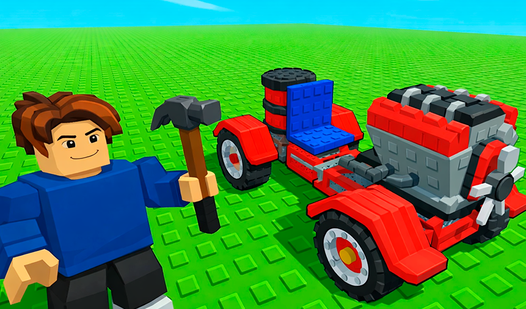
Build a Car
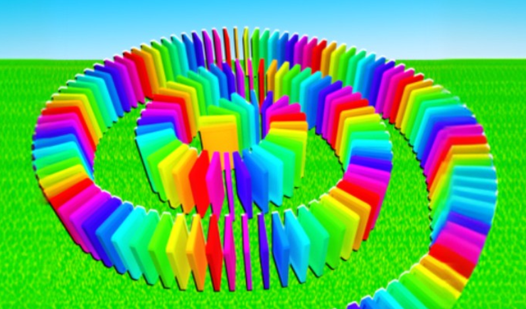
Domino Playground
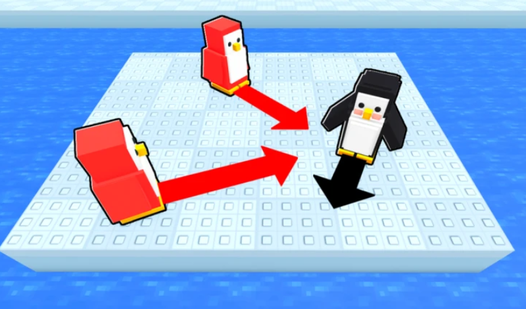
Knockout - Push Penguins on Ice!
Main Craft Playground! Ragdoll Show!
Pixel Playground: Ragdoll Noob
Boo Scared 5: Barry Prison
Brainrot Slap War 3D
Boxteria 2
Obby: Survive the Disasters
Red & Blue: Online. Build! Destroy! Fight!
Cars under the city sky
4wd Only Up!
Boo Scared 6: Italian Circus
Dead Rails 2
Brainrot Monster Demolisher
Obby: Ragdoll Boxing
Ragdoll Mega Dunk
Smash The Dome - Unlock All Biomes!
Hero 2: Super Kick
Crazy Downhill! Ragdoll Fall Down!
Ragdoll Rock Climber
None Shall Get Through: Save Cappuccina!
Build a Boat Obby Treasure!
Peak
Obby: 1vs1 With a Friend or Against Everyone!
Robux Destruction! Ragdoll Show!
Zombie Assault: Survive, Build, and Shoot
Mori's Playground
Ragdoll Sandbox 3D
Craft of Faction War
Loop Realities
Sandbox Playground 3D
Obby: Break All Bones Ragdoll
Obby - Maze of Speed
Gmod: Nextbots & Multicraft
3D Playground Sandbox - Ragdoll
Robux Racing 3D! Crazy Ragdoll Downhill!
Robbie-Obby Destroys Noob Houses
Labubu: Hill Climb
Sandbox: Playground
Obby: Break Ragdoll Bones 3D
Hero Blocks Arena! Ragdoll Sword Fight!
Sandbox - Build and Crush
Block Sniper
Obby Monster Truck
Noob Ragdoll
Obby: Squid Game All Modes Season 1
Labubu Obby Parkour
Mouse May Cry
Brainrot: Meme Destruction
Obstacle Course Ragdoll
Escape from a secure prison 3D


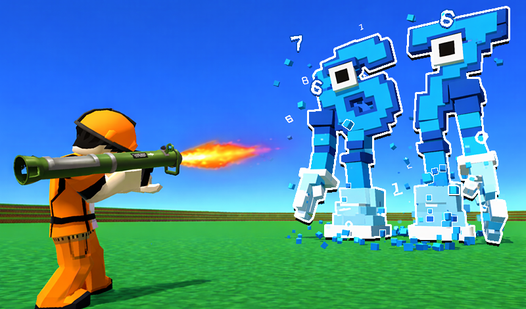
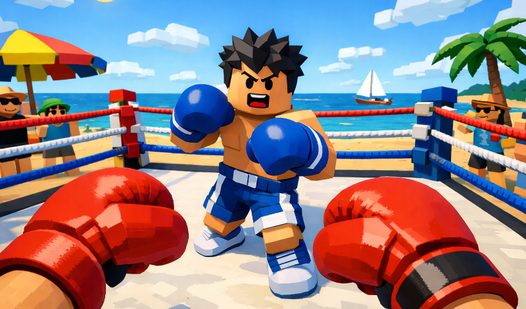

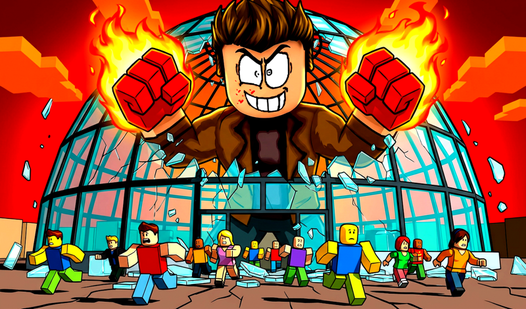
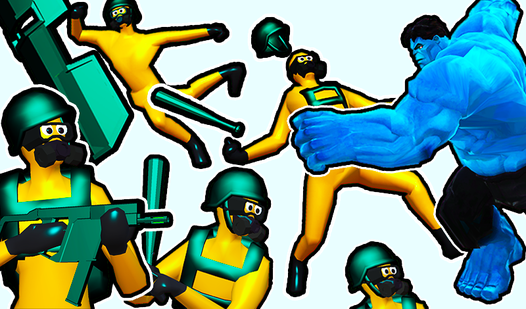

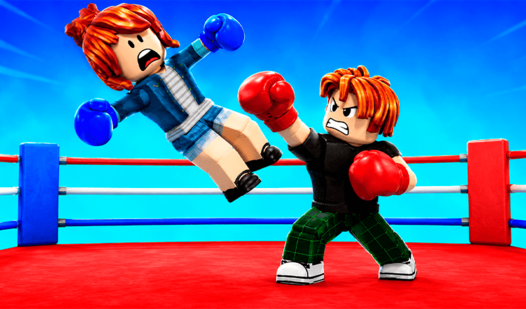
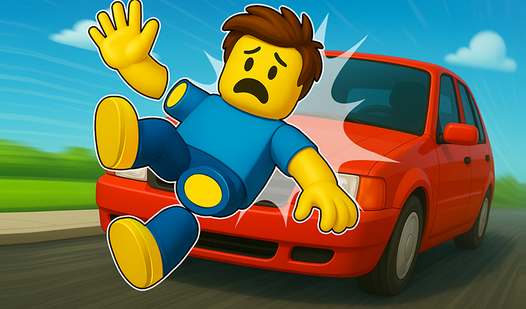
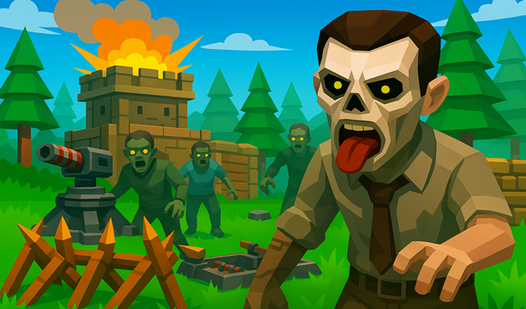
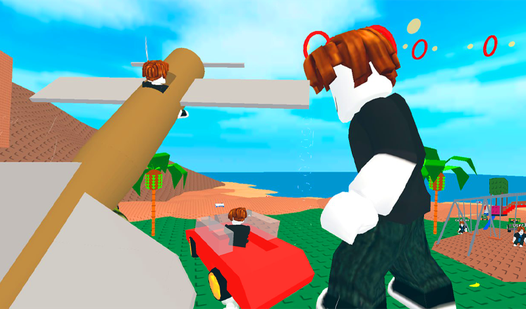
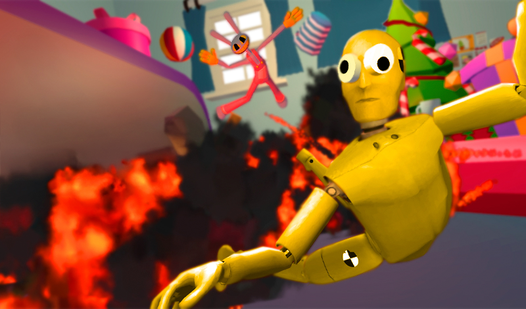
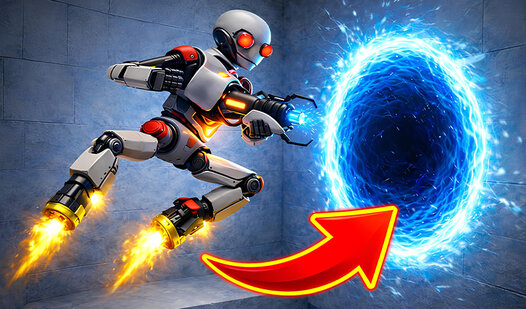
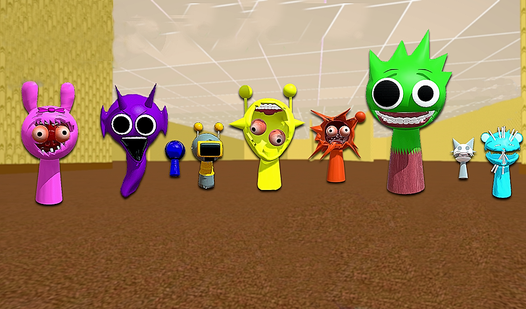
About these games
A 3D physics game hands you a world where weight, momentum, and collisions are calculated live. Stack boxes and watch the tower wobble before it topples. Shove a ragdoll figure and its limbs flop the way a real body would. Drive a wonky vehicle over a ramp and let gravity decide where it lands. The simulation runs in the browser on WebGL, so the moment you load a tile the objects already obey their own mass and friction. No install, no signup.
This page is the overlap of 3D Games and the broader physics category. A physics game can be flat and 2D — think side-on stacking or 2D ragdolls. A 3D game can also have almost no physics, just fixed scenery you move through. The intersection is narrower: titles that are both genuinely three-dimensional and driven by a live physics engine, where the fun comes from how objects react in space. Sibling sandbox-leaning picks live in 3D Survival Games.
The shapes here repeat in useful ways. Ragdoll toys let you fling and crash a floppy figure. Stacking and balancing puzzles ask for a steady hand and patience. Vehicle-physics builders test suspension and weight over rough terrain. Destruction sandboxes hand you tools and a structure to bring down. Controls lean on mouse drag plus a few keys, and a session can be a two-minute experiment or a long tinkering stretch — you set the pace.
Browse more
Related combinations
FAQ
What makes a game a physics game?
A physics game lets a simulation decide how objects move, not a fixed script. Mass, gravity, friction, and collisions are calculated every frame, so a tower can fall a hundred different ways depending on how you stacked it. That is the difference from a scripted game where outcomes are pre-set. In 3D, this means objects tumble, slide, and bounce through real space. The unpredictability is the point — you are nudging a system, not following a path.
Do 3D physics games need a strong PC?
No, most run fine on a regular laptop or a mid-range phone. The browser versions use WebGL with object counts kept modest, so the simulation stays smooth without a gaming rig. Heavier destruction sandboxes with many pieces can dip on older hardware, but the common ragdoll and stacking titles are light. If a scene stutters, closing other tabs usually frees up enough memory to fix it.
Are ragdoll games the same as physics games?
Ragdoll games are one slice of the wider physics category. A ragdoll specifically simulates a jointed body that flops and reacts to force, which is why crashes and falls look so loose. Physics games as a whole cover much more: stacking, vehicles, fluids, and destruction. So every ragdoll game uses physics, but plenty of physics games have no ragdoll at all. On this page you will find both the ragdoll toys and the broader simulation builds.
Can I just experiment without a goal?
Yes, many 3D physics games are open sandboxes with no win condition. They hand you tools, objects, and a space, then let you build, smash, or balance however you like. There is no timer and no score forcing you forward. That free-play mode is part of the appeal — you test what happens when you stack ten crates or drop a vehicle off a cliff. Other titles do add puzzle goals if you prefer a target to aim at.