
Wild West City Building Guide and Walkthrough
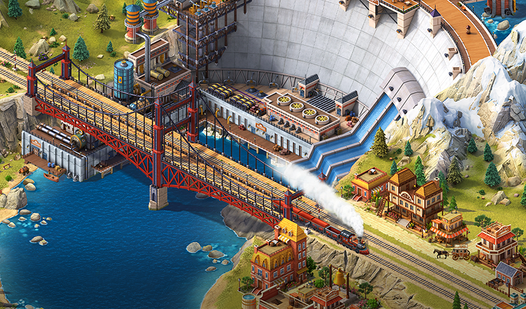
In Wild West City Building, your job is to turn a small settlement into a stable town by completing available tasks, constructing useful buildings, and resisting the urge to spend every resource on the first upgrade you see. The key to steady progress is simple: establish reliable income, remove the most important bottleneck, and expand only when your current town can support the next step.
How do you play Wild West City Building?
Develop the settlement in short cycles: collect income, check your tasks, choose one useful upgrade, and prepare resources for the next move.
The most common beginner mistake is trying to build everything at once. Every new structure requires an investment, while its benefits may not appear immediately. If you spend the entire reserve too quickly, development stalls: expensive upgrades remain available, but there is no dependable flow of resources to pay for them.
Start by identifying which actions generate income or advance the current objectives. Then find the restriction that is slowing you down. It may be a shortage of money, space, production capacity, or free time in a construction queue. Do not upgrade something merely because an icon appears above it. Ask what practical result the expense will produce right now.
Pay attention to the rhythm of play as well. Short actions are best while you are actively watching the game. Longer processes should be started before a break. This routine reduces wasted waiting and lets you return to a completed result instead of a queue that still needs to be filled.

How do you play step by step?
Move from stable income toward expansion, finishing one small objective before committing to the next expensive purchase.
- Inspect the settlement and interface - locate the objectives, available buildings, resource counters, and any actions you can complete without spending.
- Collect ready income - secure your starting reserve and note which structures can generate resources repeatedly.
- Choose the nearest objective - focus on a condition you can complete quickly without weakening the town's economy.
- Construct a useful building - prioritize something that provides income, production, space, or direct task progress.
- Start short processes - complete quick actions while you can collect their results and reuse the queue immediately.
- Build a reserve - avoid spending the final portion of your resources, so one purchase does not force you to recover from zero.
- Remove the main bottleneck - improve the element that is causing the rest of the settlement to sit idle.
- Claim objective rewards - use them for the next planned move instead of an unplanned cosmetic expense.
- Expand after preparing - unlock new land or an expensive opportunity only when the existing economy can support it.
- Start a long process before leaving - turn time away from the game into finished work or collected income for your next session.
Review the town again after every major upgrade. The cost of each new step usually rises, so your previous income setup may eventually become too slow. If that happens, do not save resources blindly. Check whether a smaller economic upgrade or a cheaper objective reward can speed up the larger goal.
Do not try to copy another player's walkthrough click for click. Save states, purchase order, and available rewards may differ. The useful part is the underlying pattern: income, bottleneck, upgrade, reserve, expansion.
How do you progress without excessive waiting?
Do not try to eliminate every timer; reduce the number of situations where the entire town is waiting for one poorly scheduled action.
Think of development as three different modes. During active play, start short processes, collect results, and complete simple objectives. During a saving phase, avoid minor purchases until you can afford the selected upgrade. Before a break, switch to background mode and launch the longest useful action available.
Completing a city builder does not always mean reaching one final level. The practical goal is often to unlock new options in a sensible order and create a town that does not depend on a single source of resources. When an objective looks unusually expensive, treat it as a prompt to inspect your economy, not as an order to spend everything immediately.
Compare upgrades by their effect rather than price alone. A worthwhile purchase should increase recurring income, remove a restriction, or unlock the next stage. If it does none of these things, it can probably wait. Be especially cautious with expenses that only change the appearance of the town without helping the current objective.
If the game offers optional acceleration through an advertisement or another bonus, apply it to the longest useful delay. Shortening a process that will finish during the next few minutes of active play is usually less valuable. A reward whose collection can be delayed is also more effective when it immediately covers a shortage and enables your next move.
What does the request to register mean?
Registration usually protects and synchronizes progress rather than explaining the building mechanics.
If the message appears on the platform page, it most likely refers to an account for that gaming service. A profile may preserve your save after you close the browser, switch devices, or clear local data. Saving behavior depends on the platform and the version of the game, so read the text displayed beside the registration button.
When the game already launches and allows construction without a profile, you can usually inspect the basic mechanics first. Before investing time in a long playthrough, however, confirm that progress is being saved. After a small and safe action, refresh the page or use the normal game menu and check whether the change remains. Do not clear browser data merely to run this test.
If the launch button remains unavailable until you register, you will need to complete that step on the platform itself. Never enter account details into a suspicious pop-up page. Use the site's standard form and check the page address before signing in.
How can you develop the town faster without running out of resources?
Keep a small reserve and invest most of your savings in the action that improves the next income cycle.
I follow a one-bottleneck rule: before buying anything, I name the reason the town is developing slowly. If income is the problem, I strengthen the economy. If the queue is constantly occupied, I change the order of actions. If space is the limit, I prepare for expansion. This prevents a chain of random upgrades.
I also avoid claiming a large reward automatically when my current reserve is already sufficient. If the game lets me delay collection, I save the reward until a real shortage appears. It then funds a planned building or upgrade instead of disappearing through several minor expenses.
My timer strategy is equally simple. During an active session, I choose the shortest useful actions and restart the cycle as soon as each one finishes. Before closing the tab, I assign the longest available process. The town completes more work over the same real-world period even though the timers themselves never change.
Finally, I inspect the remaining balance before confirming an expensive purchase. If the transaction would prevent me from starting a basic process or completing a simple objective, I build a reserve first. A short delay before buying is usually better than bringing the entire settlement to a halt afterward.
Look for objectives that can be combined as well. If two goals involve construction, saving, or repeated actions, you may be able to advance them together. Do not purchase an unnecessary structure only to fill part of a progress bar, though. Confirm that it will remain useful after the reward has been collected.
Which mistakes most often block progress?
Most setbacks come from a poor spending order or badly timed actions, not from complicated mechanics.
The first mistake is spending an entire reward immediately. The screen shows rapid progress for a moment, but the next required action becomes a long wait. Keep enough resources to support at least one basic development cycle.
The second mistake is upgrading every building evenly. A town rarely needs identical development across all structures. One targeted improvement that removes the current bottleneck is more useful than several purchases with no clear purpose.
The third mistake is starting a long action at the beginning of an active session. The queue remains occupied precisely when you are available to collect results frequently. Reserve long processes for breaks and use shorter ones while playing.
The fourth mistake is treating every notification as an instruction. An icon tells you that an action is available, but it does not know whether that action fits your strategy. Review the current objective and your reserve before confirming the expense.
The fifth mistake is expanding before the existing settlement produces a stable return. New territory creates opportunities, but it can also introduce new costs. A prepared economy turns expansion into acceleration; an unprepared one turns it into another shortage.
What should you play after this city-building simulator?
Choose the next game according to the part of development you enjoyed most: open-ended construction, business management, or a puzzle connected to city growth.
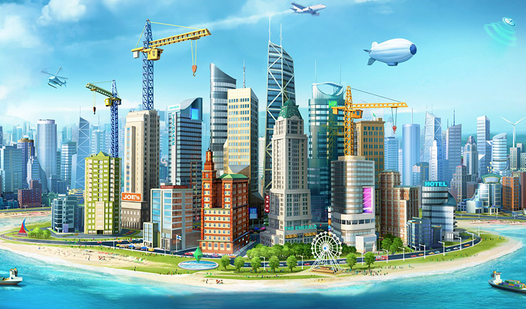
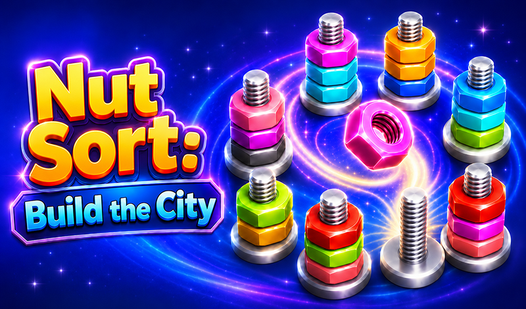
For traditional settlement expansion, try the island city-building simulator. If turning a town into a functioning business sounds more appealing, choose the tycoon-focused option. For shorter puzzle sessions, there is also a game that links sorting challenges with city development.


FAQ
What is the best way to begin Wild West City Building?
Collect the available income, choose the nearest objective, and invest in something that generates resources or unlocks progress. Do not spend the entire starting reserve.
Do I need to register to play?
That depends on the platform's requirements. An account is often used to protect and synchronize progress, although a particular version may require you to sign in before launch.
What should I do if saving for the next building takes too long?
Check whether you can improve recurring income, collect a cheaper objective reward, or combine the saving period with a long process started before a break.
What is the best use for a speed-up bonus?
Apply it to the longest action that is genuinely blocking further development. It is usually more efficient to wait out a short timer during active play.