
How to Play Mahjong: A Beginner's Guide to Browser Tile Games

How do you play mahjong in a browser?
In most browser games called mahjong, your goal is to remove every tile by selecting matching pairs. A tile is normally playable only when nothing covers it and at least one of its long sides is open. Match two available tiles with the same symbol, continue exposing the layers underneath, and clear the layout before you run out of moves or time.
This format is usually known as mahjong solitaire. It uses imagery inspired by traditional Chinese mahjong, but it is a single-player matching puzzle rather than the four-player table game. Some browser versions change the rules with connecting lines, three-dimensional layouts, arithmetic problems, special powers, or timed stages. Always check the level's short instructions before making the first move.
1. Learn which tiles are free
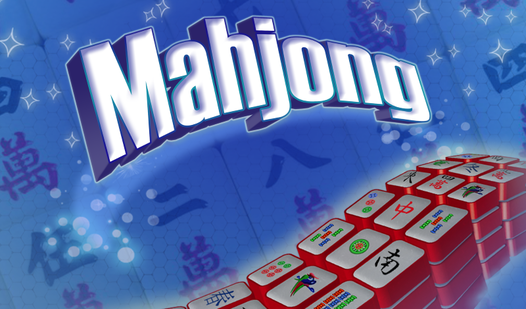
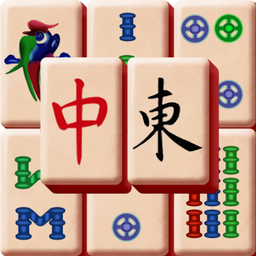
The most important rule is not simply finding two identical pictures. Both tiles must be available. In a standard stacked layout, a free tile has no tile resting on top of it and has an open left or right side. A tile trapped between neighbors cannot be selected even if its picture matches another visible tile.
Click or tap one tile, then choose its matching partner. A correct pair disappears and may release several tiles around or below it. If a tile does not respond, look closely at its edges and upper surface. Part of another tile may still be blocking it.
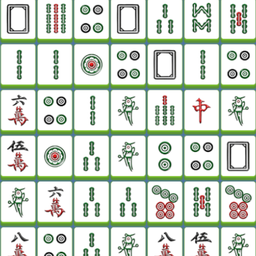
Traditional sets contain circles, bamboo, characters, winds, dragons, flowers, and seasons. Most symbols require an exact match. Flowers can often match any other flower, while seasons can often match any other season. A browser game may simplify these groups or replace them with themed pictures, so use highlights and tooltips when available.
Start slowly and test what the game considers selectable. After a few pairs, the visual language becomes clear: bright tiles are often free, while shaded tiles are blocked.
2. Match pairs that open the board


A legal match is not always a good match. The best pair usually exposes new tiles, frees a long row, or removes pieces from the highest stack. If you repeatedly take easy pairs from open corners, you may leave important symbols buried and create an unsolvable position.
Before clicking, compare all available copies of the same symbol. Many layouts contain four identical tiles, which can be paired in more than one way. Suppose three copies are free and the fourth is covered. Removing the wrong two may leave the remaining free copy waiting for the buried one. A better choice may unlock that fourth copy sooner.
Prioritize moves that do at least one of these things:
- Remove a tile from the top layer.
- Open both sides of a blocked row.
- Reveal two or more hidden tiles.
- Release a rare symbol whose partner is already available.
- Reduce the height difference between tall stacks and flat areas.
Pause after every match because the board has changed. A newly exposed pair may be much more valuable than the move you planned a moment earlier.
3. Read three-dimensional layouts carefully
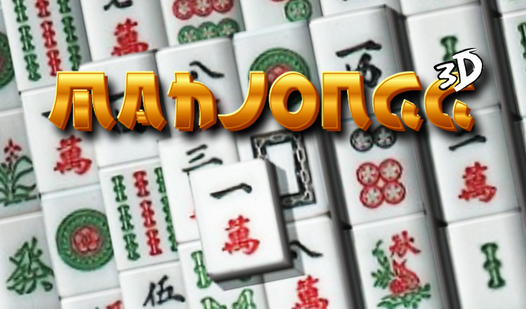

Three-dimensional mahjong applies the same basic idea to cubes or blocks. You rotate the structure, find matching exposed faces, and remove pairs until nothing remains. The main challenge is visibility. A matching block might be on the rear side rather than truly unavailable.
Rotate the model before deciding that no move exists. Inspect the top, bottom, and back, and notice which blocks support or surround other blocks. Camera movement does not change the puzzle, but it can reveal legal selections hidden by perspective.
Try to remove outer blocks evenly. Digging deeply into only one face can expose symbols that cannot yet be matched, while blocks on the opposite side remain sealed. Balanced removal gives you more visible choices and lowers the risk of overlooking a useful pair.
If the game outlines selectable blocks, use that information instead of judging only by appearance. In some variants, a block is free when several neighboring positions are empty, not merely when one side is open.
4. Understand rule-changing variants
Not every game asks for two identical symbols. Math Mahjong may require a problem and its answer, two values with a target relationship, or another valid numerical pair. The board-clearing strategy still matters, but you must verify the relationship before selecting the second tile.
Other common variants use a connecting-path rule. Two tiles can match only if a line between them makes no more than a specified number of turns. Some games remove groups of three instead of pairs. Others add wild tiles, bombs, locked pieces, or objectives such as collecting a certain symbol.
Read the goal panel at the start of each new game. Check four details: what makes a match, which tiles are selectable, whether time is limited, and whether shuffling costs points or uses a limited resource. Ten seconds spent understanding the rules can prevent an entire failed board.
When symbols are unfamiliar, make one careful test match. Visual feedback usually shows whether the issue is the symbol relationship, tile availability, or the path between them.
5. Manage special tools and time limits
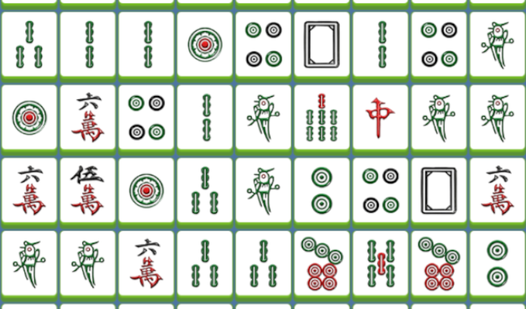
Hints, shuffles, undo buttons, and special powers are useful, but they work best as safety tools. A hint often shows any legal pair, not necessarily the strongest strategic move. Look at what the suggested pair will uncover before accepting it.
Use shuffle when there are genuinely no productive matches or when the game confirms that no moves remain. If shuffles are limited, do not spend one merely because a symbol is difficult to spot. Scan the highest layers, outer edges, isolated tiles, and repeated symbols first.
On timed levels, accuracy is usually faster than frantic clicking. Begin with obvious pairs that open the center or top, then reassess. Build a scanning rhythm: left edge, top stacks, right edge, then newly exposed areas. This prevents your eyes from repeatedly searching the same corner.
Combos may reward quick consecutive matches, but preserving the board is more important than maintaining a streak. Break the combo if the next obvious move would trap a critical tile. If the game allows pause, use it between levels to rest your eyes rather than letting rushed decisions accumulate.
6. Recover from mistakes and improve consistently


A board can look stuck even when a legal match remains. First, scan for partially hidden tiles and special flower or season matches. Then check whether two identical visible tiles are actually selectable. Rotate the view in three-dimensional games and inspect any off-screen area.
If there are no moves, use undo when available and reconsider the last few pairs. The mistake often occurred when four identical symbols were divided poorly or when easy edge tiles were removed instead of a blocking upper pair. A restart is also part of learning. Many versions generate solvable deals, but some random layouts can still depend heavily on move order.
For steady improvement, follow these practical habits:
- Look for all available copies of a symbol before pairing two.
- Favor matches that uncover the largest number of tiles.
- Clear tall stacks and long blocked rows early.
- Keep flower, season, and wildcard rules in mind.
- Recheck the whole board after every few moves.
- Save hints and shuffles for positions you have scanned carefully.
- Choose relaxed mode while learning, then add a timer later.
The central lesson is simple: play for access, not just for immediate matches. Each removed pair should make the next part of the layout easier to reach. You can practice these strategies in all the featured mahjong games for free in your browser, with no downloads required.