
How to Play Checkers: Rules, Captures, Kings, and Winning Tips

How do you play checkers?
Checkers is a two-player board game in which you move pieces diagonally across dark squares, capture opposing pieces by jumping over them, and promote pieces that reach the far side of the board. In the common 8 by 8 version, each player starts with 12 pieces. You win by capturing every opposing piece or leaving your opponent without a legal move.
The exact rules can vary between English draughts, Russian checkers, and browser adaptations. Before a match, check whether captures are mandatory, whether regular pieces can capture backward, and how kings move. The guide below begins with the widely recognized English draughts rules and then explains the variations you are likely to encounter online.
1. Set up the board and learn the goal
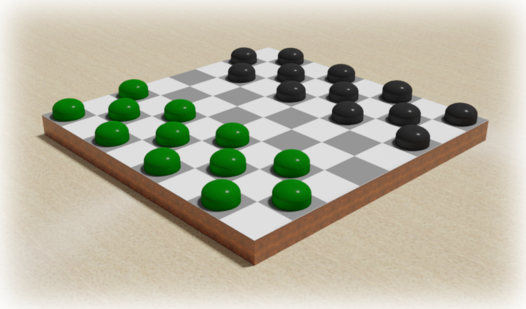
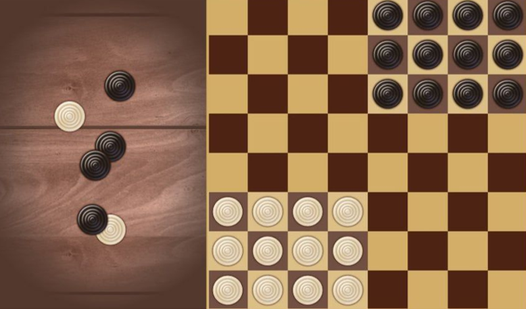
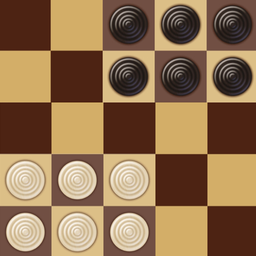
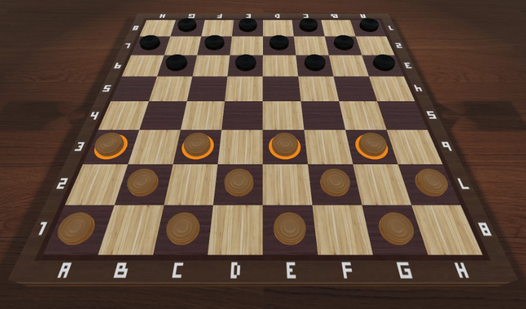
Place the board so that each player has a dark square at the left end of the nearest row. Only the dark squares are used. Each player places 12 pieces on the dark squares of the three rows closest to them, leaving the middle two rows empty.
One player usually controls dark pieces and moves first. A normal piece moves toward the opponent's side of the board. The immediate goal is to improve your position while looking for safe captures. The final goal is to remove all enemy pieces or block them so completely that no legal move remains.
Browser games normally arrange the board automatically. Select a piece to see its available destinations, then select a highlighted square. This assistance is useful, but try to understand why each move is legal instead of relying only on highlights.
2. Move regular pieces diagonally
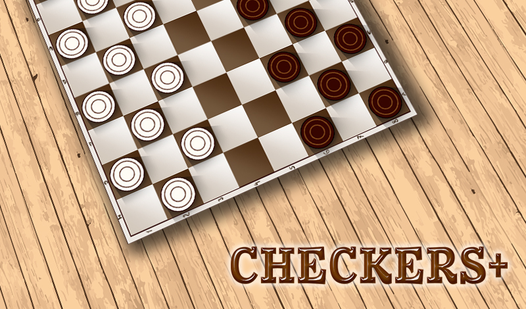
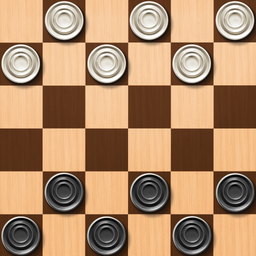
A regular piece makes a non-capturing move by traveling one square diagonally forward onto an empty dark square. It cannot move horizontally, vertically, onto a light square, or onto an occupied square. Under English draughts rules, regular pieces cannot move backward unless they are capturing in a ruleset that explicitly permits it.
Because every move changes the surrounding diagonals, think about the square you leave as well as the square you enter. Moving a piece may expose a teammate behind it or open a route into your back row. Before committing, inspect every diagonal that can reach the destination on your opponent's next turn.
A compact formation is often safer than several isolated pieces. Adjacent pieces can protect landing squares and make an enemy jump costly. However, a formation that is too rigid can run out of moves, so develop pieces gradually and preserve more than one route forward.
3. Capture by jumping over an opponent
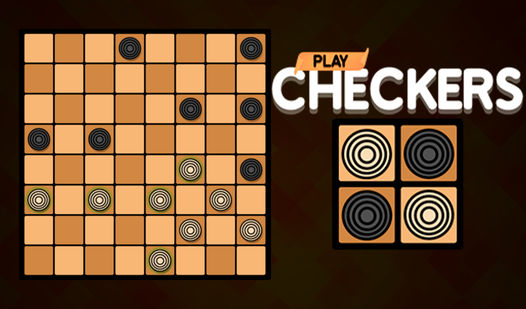
To capture, jump diagonally over an adjacent opposing piece and land on the empty square immediately beyond it. Remove the jumped piece from the board. You cannot jump over your own piece, land on an occupied square, or jump two adjacent pieces at once.
In most checkers rulesets, a capture is mandatory. If any of your pieces can capture, you must make a capturing move instead of an ordinary move. Some variants let you choose between available captures, while others require the route that takes the greatest number of pieces. The game interface should indicate which rule applies.
After one jump, the same piece may be able to jump again from its new square. Continue until no further capture is available, or until the selected ruleset says the turn must stop. Multiple jumps can change direction between captures. Scan the complete route before selecting the first landing square, since the opening jump may commit you to a dangerous final position.
Mandatory captures create tactics. You can deliberately offer a piece so the opponent must jump onto a vulnerable square. This is called a sacrifice, and it is useful only when the resulting capture, promotion, or positional gain is worth more than the piece you lose.
4. Reach the last row and crown a king
When a regular piece reaches the farthest row, it is promoted to a king. Physical sets usually mark a king by stacking a second checker on top. Browser games may add a crown, change the piece design, or display another clear symbol.
In English draughts, a king moves and captures one square or one jump diagonally in either forward or backward directions. This flexibility makes it much harder to trap than a regular piece. In Russian checkers and some other variants, kings can travel across several empty diagonal squares and capture from a distance. These are often called flying kings.
Promotion timing also varies. In English draughts, reaching the last row normally ends that piece's turn, even if a backward capture would appear possible. In Russian checkers, a piece may become a king during a capture sequence and continue under king movement rules. Confirm this detail before planning a combination around promotion.
Do not race toward the final row without checking the return path. A newly crowned king can still be captured immediately. The best promotion either lands safely or forces the opponent to respond elsewhere.
5. Recognize victory, defeat, and draws
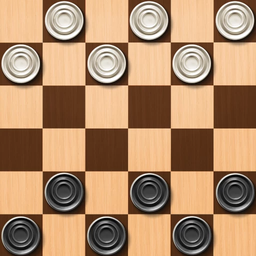
You win when the opponent has no pieces remaining or cannot make a legal move. The second condition matters because a player can lose while pieces are still visible. Blocking the last mobile piece is just as decisive as capturing it.
A match can end in a draw when neither player can force progress, particularly in king endings. Digital versions may declare a draw after a fixed number of moves without a capture or promotion, after the same position repeats, or when both players agree. The counter and repetition rules depend on the implementation.
If you are ahead in material, simplify the position by trading pieces when the exchange is safe. Fewer pieces usually make your advantage easier to convert. If you are behind, avoid automatic trades and create complications, promotion threats, or forced capture sequences that give the opponent opportunities to make a mistake.
6. Use a reliable plan for your first games

Start by contesting the center. Central pieces usually have more movement choices than pieces trapped along an edge. Keep your formation connected, but do not move every checker from the back row too early. A back-row guard can delay an enemy promotion and buy time for a counterattack.
Before every move, use a three-step check. First, look for every mandatory capture you have. Second, calculate every capture the opponent could make after your intended move. Third, check whether either side can start a multiple jump or reach the promotion row. This short routine prevents many beginner mistakes.
Count material, but also count mobility. A player with more pieces can still be losing if those pieces are blocked. Look for moves that preserve several legal options while reducing the opponent's choices. When a forced sequence appears, calculate it to the final landing square instead of stopping after the first capture.
7. Adapt to variants and themed boards
Online checkers may change the presentation, board geometry, objectives, or powers while retaining diagonal movement and jumping. A themed version might replace traditional pieces with characters or vehicles. A corners variant may focus on occupying a target area rather than eliminating every opponent. These visual changes are easy to learn once you separate the core mechanic from the special rule.
Read the short instructions before the first turn. Check board size, starting player, mandatory captures, backward captures for regular pieces, king range, promotion timing, and victory conditions. If the game offers an undo button or an easy AI opponent, use it to test how the rules engine handles uncertain situations.
Practical tips before you play
Keep pieces connected, examine both diagonals after every move, and never assume a tempting capture is safe. Protect your back row until you understand the opponent's promotion threats. When several jumps are available, compare the final positions, not only the number of captured pieces. In endgames, use kings actively to restrict movement and support promotion.
Begin against an easy computer opponent, then increase the difficulty or challenge another player once you can spot mandatory captures consistently. All the featured checkers games run free in your browser without downloads, so you can open a board and practice the rules immediately.