
Bunker Merge: How to Play Without Getting Stuck

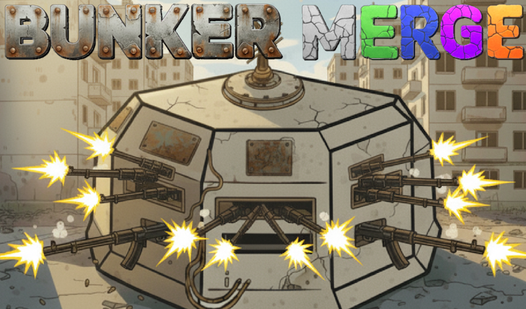
In Bunker Merge, you combine matching elements, create higher-level items, and use them to develop the shelter. The key to steady progress is simple: do not merge everything on sight. Keep open cells, prepare upgrade chains in advance, and work toward the nearest useful objective instead of chasing the rarest item on the board.
How do you play Bunker Merge and what is the goal?
The goal is to create the items you need through consecutive merges and gradually improve the bunker.
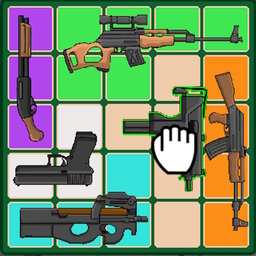
Basic elements appear on the board. Two matching elements can be combined into one more valuable item. You then need to find or create another copy of that item to continue the chain. The higher the target level, the more components, space, and actions you will usually need.
The real challenge is board management rather than the act of merging. If you generate new elements without a plan, the cells quickly fill with unrelated items. They cannot be merged yet, discarding them feels wasteful, and there is no room to make the pair you actually need. Before every action, ask what it will produce, whether it supports your current objective, and how much room will remain.
Do not develop every available chain at once. Choose one primary objective and one secondary chain. Give most of the space and resources to the primary objective. Advance the secondary chain only when suitable elements appear without extra effort. Individual turns may feel slower, but the risk of getting stuck drops sharply.
How do you play step by step?
Start by inspecting the board, choose the nearest achievable objective, and only then generate new elements.
- Scan the board and find pairs. Merge obvious matches to open cells and reveal how much working space you really have.
- Check your current objective. Identify the item or improvement that will advance the bunker and focus on its chain.
- Count the intermediate elements. Before pursuing a high-level item, make sure the board can hold several components at once.
- Place related items together. Keep one chain in the same area so you can spot pairs and avoid accidental moves.
- Generate elements in small batches. Stop after a few actions and check whether useful matches have appeared.
- Merge from the bottom up. Combine basic elements first, then move to the next level instead of leaving many loose components.
- Maintain a space reserve. Do not fill the final open cells just because another action is available.
- Use completed items when needed. If an item can finish an objective or improvement, spend it and recover the cell instead of storing it forever.
- Review the plan after a large merge. Newly opened space may make another chain more efficient.
- Pause before a risky action. If the result will not support an objective and will reduce your free space, leave it for later.
This sequence does not depend on guessing what will appear next. It uses the information already visible on the board, so it remains useful both at the beginning and after the bunker has grown.
What should you merge first?
Prioritize elements that both open space and move the nearest objective forward.
An available pair is not automatically the best move. Two items may combine immediately, but the result might remain unpaired and occupy the same amount of space. That merge barely changes your position. A chain that allows a second immediate merge is much more valuable because it compresses several cells into one.
It helps to sort items mentally into three groups. The first group contains elements required by the current objective. Merge them whenever it is safe. The second contains components of a chain that will soon become useful. Store them together temporarily. The third group contains isolated items with no clear short-term use. These are the pieces most likely to create a blockage.
When the choice is between keeping a rare item and recovering two working cells, space is often the stronger option. Rarity only matters if the element can soon be used or upgraded. An open cell lets you continue playing and search for a missing match.
How can you keep the board from filling up?
Limit the number of active chains and keep several cells open whenever possible.
A common beginner mistake is activating every available source of new elements. The board quickly becomes a collection of unrelated single items. Before generating anything, check whether its likely result could match an element already on the board. If it cannot, decide whether you truly need it now.
Divide the board into informal zones. Keep the active chain in one area, completed objective items in another, and leave an edge for temporary pieces. You do not need strict boundaries. A consistent arrangement is enough to prevent matching items from becoming scattered across the board.
Do not keep everything because it might become useful later. If the rules let you safely remove an unhelpful basic element, compare its value with the value of an open cell. Space is usually worth more when the item is easy to recreate. Rare or expensive elements deserve more caution.
When should you create a high-level item?
Build a high-level item when it supports a clear objective or when finishing the chain will significantly clear the board.
Chasing the highest possible level may seem efficient, but it can stop all other progress. A single result can require many intermediate components. Those components occupy cells and obstruct other objectives while the chain is being assembled. If the final item is not currently needed, stop at a level that is easy to store and continue later.
Check three conditions before starting a long chain. You should have a reserve of free cells, most required components should belong to the same branch, and the final item should have a near-term use. If two or more conditions are missing, clear the board first.
Sometimes delaying an available merge is useful. Two matching elements placed together can act as guaranteed emergency space. If the board becomes crowded, merge them and instantly recover a cell. This reserve is especially helpful before a batch of actions with uncertain results.
Which mistakes slow down progress most often?
Random actions, too many unfinished chains, and a lack of spare cells cause most stalled games.
The first mistake is automatically merging every pair. Check whether one component is needed separately and whether the merge will create practical value. The second mistake is preparing several complicated items at the same time. Every chain requires intermediate pieces, so the board turns into a warehouse of half-finished plans.
The third mistake is filling every cell and hoping the next element will form a match. That is a bet on luck. If a different type appears, recovering becomes difficult. The fourth mistake is keeping an item only because it has a high level. A valuable piece with no immediate purpose can obstruct the board more than several basic elements.
The opposite extreme can also hurt. Do not instantly discard everything unrelated to the current objective. Some items may belong to a short secondary chain and lead to a useful result with little effort. Before removing anything, consider how easily it can be recreated and whether its potential match is already nearby.
Which strategy makes progress more consistent?
A reliable strategy uses short cycles: clear the board, choose an objective, complete a batch of merges, and reassess the position.
I keep at least one pair unmerged while there is plenty of space. It becomes my emergency reserve because a single merge can recover a cell exactly when I need it. I do not stockpile many such pairs, since the reserve would eventually become another blockage.
I also keep elements from the same chain together and work upward from their lowest levels. When related items are scattered, it is easy to miss a ready match and generate unnecessary pieces. Simple sorting saves more space than trying to remember the contents of every cell.
Another tactic I use is pausing after a small batch of new elements. I resolve every available match before generating more. If you continue until the board is full, useful combinations become buried among isolated components.
Before starting a difficult chain, I count the intermediate branches rather than looking only at the final item. If there is clearly not enough room, I switch to a shorter objective for a while. Completing it opens cells and prepares the board for the larger merge.
What should you do when progress stops?
When progress stops, stop generating new elements and clear the chains you have already started.
Find every available pair, including matching pieces stored in different areas. Then identify isolated elements that will be easy to recreate later. If the rules allow removal, begin with the cheapest and least useful pieces. Do not sacrifice a rare item until you have checked every alternative.
After recovering some space, choose the shortest achievable objective. Restoring a functional board matters more than continuing an expensive chain. A few simple completions will open cells and put you back in control.
If you want to practice resource management in a different format, try a bunker survival simulator. For a faster break from merging, switch to a game focused on bunker combat.
FAQ
Should you merge every matching item immediately?
Not always. First check whether an item is needed separately and whether the merge will open a cell, continue a chain, or complete the current objective.
Why does the board fill up so quickly in Bunker Merge?
The usual causes are developing too many chains at once and generating new elements too frequently. Keep one primary objective and resolve existing pairs first.
Which is more important, a rare item or free space?
Free space is more useful in most blocked positions because it lets you continue making moves. Keep the rare item if it is difficult to recreate or will be needed soon.
How can you escape a dead end without restarting?
Stop generating elements, merge every available pair, remove easily replaceable isolated items, and switch to a short objective that can quickly recover more cells.