Hidden Object Games for Kids
Hide and Seek Online
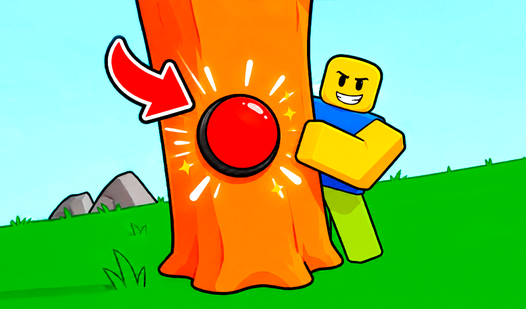
Obby: Find the Button! Exciting Story
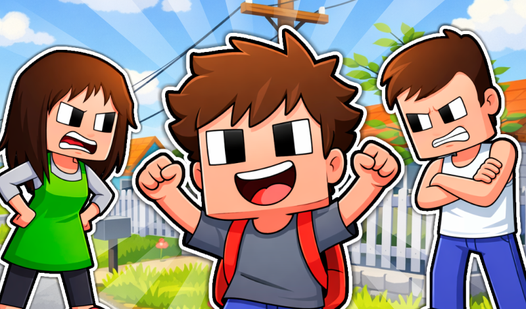
Schoolboy: Escape from Parents!
SPRUNKI LOST Their BODY PARTS!
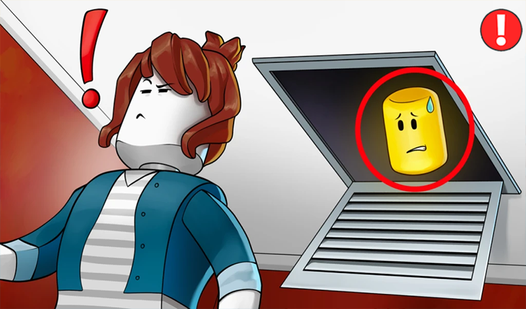
Robby: Escape The Rooms
Pink Prison Escape
Noob survival: In search of adventures
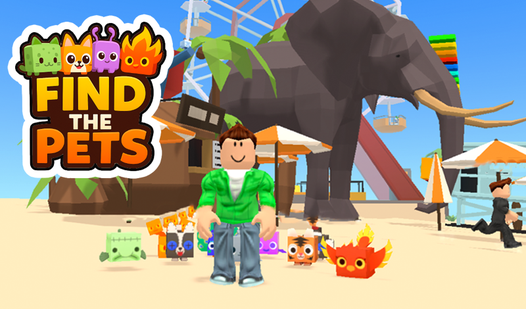
Find The Pets
LadyBug 3D: City Adventures
Collect gold: noob vs everyone!!
Nubik: New world
Find The Brainrot | Obbi Mod
Brainrots 3D: Find All Italian Animals
Survive Lava for Brainrots!
Sprunki Adventure 2
Guess the Italian Brainrot or Die
Rat Dance: Escape from Memes
Cars under the city sky
Obby in Search of Sprunki
Find The Button: Obby!
Find Cat: Obby
The Traitor among Us: Amogus
99 Nights in the Forest - Find all the kids!
Find All Brainrots! [75]
Find Capybara: Valley of Monsters
Come in New Year
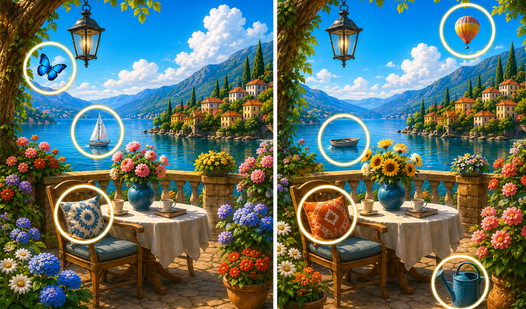
Find the differences in the two pictures
Run in here
Come in
Escape from the House of the Giant Obby
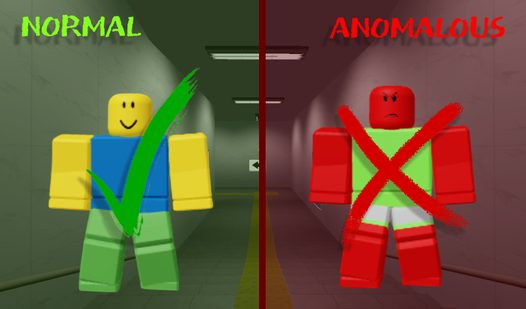
Find the Anomalies: Corridors
Survival and Parkour
Labubu Adventure World 3D-Find & Collect Toys!
Mini Playground Obby Mod
Robbie: Hell Mini Games!
Robbie: Find Labubu
Escape from Herobrine: Lucky Block mod
Save the Hamster! Forest Escape
Obby Robby: Help Sprunki
Find all the Sprunks 3D!
Millionaire Simulator: Become Rich!
Obby Fishing: Catch the Megalodon
GreenPEAK
Sprunki: Collect All Characters!
Obby: Find Floppa!
Stranded Island Tycoon: Craft & Survival
Obby Skyblock Parkour
Obby, But You're Looking for 100 Animals
Skrunki 3D: Find all parts of the body
Eco Planet
Homeless Simulator: Get Rich
Mine Puzzles: Brain Teaser
Find 100 Animal Stickers!
Breinrot Bog
Obby Memes Escape Mod
Obby: Dig it
Obby via Mouth
Assemble Your Toyota Supra: Mechanic Simulator
You're Over
Roblock city of Obby and Riddles!



![Find All Brainrots! [75]](https://static.playhop.com/images/749e9_17955142_4a6b8/4f1416b1e/2a0000019c1add8c_4c3b559/4b749856781cffc30298_cd6a11/cover1)






About these games
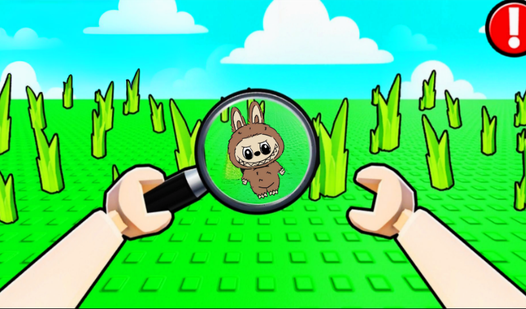
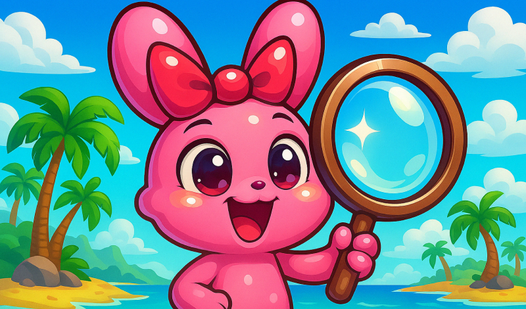
Hidden object games ask a child to look closely and find things tucked into a busy picture — a key behind a flowerpot, a missing sock, a tiny star in the clouds. For young children this is calm, focused play that rewards patience instead of speed. On nub.games it runs free in the browser, with no install and no sign-up, so a child can sit down and start searching within seconds. The pleasure is the slow scan and the small "found it" moment, repeated across each scene.
The general hidden-object tag often mixes in spooky mansions, crime scenes, and cluttered art aimed at adults. This page keeps only the bright, friendly kind. You will find spot-the-item scenes set in parks and kitchens, find-the-difference pairs with cheerful drawings, and I-spy style searches built around animals, toys, and food. The age band runs roughly four to nine, with object lists kept short for the youngest and a few harder scenes for children who want more of a challenge.
These open right on a tablet, where a child can tap the moment they spot something — a natural fit for little fingers and big touchscreens. Every card carries an age badge so you can match the difficulty to your child before they begin. Explore the wider Kids Games collection any time, and if your child likes remembering where things are, our Memory Games for Kids pairs nicely with this kind of looking.
Browse more
Related combinations
FAQ
What skills do hidden object games build?
Mostly close observation and visual focus. A child learns to scan a whole picture, ignore distractions, and notice small details like colour and shape. Find-the-difference scenes also build careful comparing. It is quiet, attentive play, which can be a nice change from faster games at the end of a day.
Are the scenes ever scary or too cluttered?
No, the spooky and crowded scenes are filtered out here. We keep parks, kitchens, gardens, and toy rooms drawn in a clear, cheerful style. For the youngest children the object lists are short, so a busy picture never feels overwhelming. Anything dim or unsettling does not pass the under-nine check.
Can a young child play these on a tablet alone?
Yes, the tap-to-find action suits tablets and solo play well. There is one simple gesture to learn: see the item, touch it. No typing, no menus to read, no fast reactions needed. Many scenes also offer a hint button, so a child who gets stuck can keep going without an adult nearby.
How are these different from your memory games?
Hidden object games are about looking; memory games are about remembering. Here the picture stays on screen and your child searches it. In memory games, cards flip face-down and the child recalls where they were. They feel related but train different things, which is why we list them as separate pages.