
How to Play Solitaire: Rules, Setup, Moves, and Winning Strategy

How do you play Solitaire?
In classic Solitaire, also called Klondike, your goal is to move all 52 cards to four foundation piles. Each foundation represents one suit and must be built from ace to king. You uncover cards by rearranging the seven tableau columns, placing cards in descending order with alternating colors. Cards that are not dealt to the tableau form the stock.
A game is won when every card reaches the foundations. The basic rules are easy to learn, but winning consistently requires planning. You must decide when to reveal hidden cards, when to use the stock, and whether moving a card to a foundation will help or restrict later moves.
Most browser versions handle dealing and reject illegal moves automatically. Even so, understanding why a move is legal will help you recognize opportunities instead of relying on hints or random clicking.
1. Learn the Solitaire layout
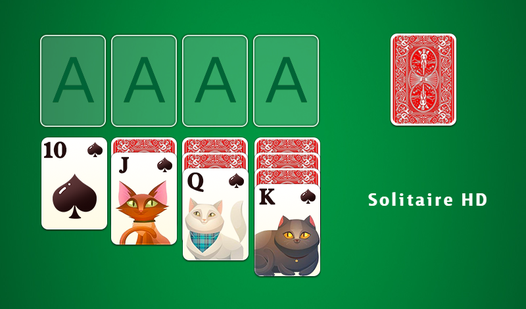

A Klondike table has four main areas: the tableau, foundations, stock, and waste pile. The tableau contains seven columns. The first column begins with one face-up card, the second with one face-down card and one face-up card, and so on until the seventh column contains six hidden cards and one visible card.
Above the tableau are four empty foundations. You eventually place one suit in each foundation, beginning with its ace. The undealt cards sit face down in the stock. Clicking or tapping the stock turns cards onto the waste pile, where the top card may become available for play.
Before making a move, scan every visible tableau card. Look for aces, twos, empty-column opportunities, and moves that expose a face-down card. This first inspection often reveals a useful sequence that would be easy to miss if you immediately started drawing from the stock.
2. Build tableau columns correctly
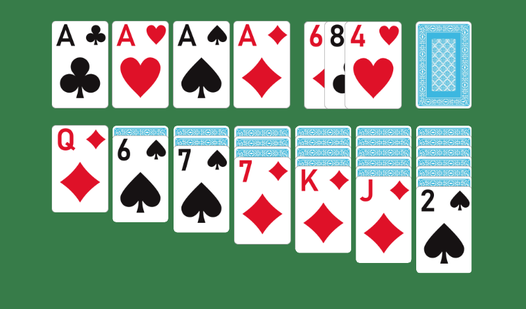
Cards in the tableau are arranged downward in descending rank while alternating colors. A black nine may receive a red eight, which may receive a black seven. You cannot place a black eight on a black nine, and you cannot put a ten on a nine.
You may move one exposed card or an entire correctly ordered sequence. For example, a red eight, black seven, and red six can move together onto a black nine. Moving a sequence can reveal a hidden card or free a column without dismantling useful work.
Whenever you expose the top face-down card in a column, turn it face up. Revealing hidden cards is usually your highest priority because they may contain missing aces, low cards, or kings needed to open the rest of the layout.
An empty tableau column has a special restriction: only a king, or a valid sequence beginning with a king, may enter it. Do not empty a column unless you have a king ready or a clear plan for using the space.
3. Use the stock and waste pile carefully
When no productive tableau move remains, draw from the stock. Depending on the selected rules, the game may reveal one card or three cards at a time. Draw-one is generally more forgiving because every stock card is directly accessible. In draw-three, the order of the waste pile becomes part of the puzzle.
Only the top waste card can be played. It may move to a tableau column if it follows the alternating-color rule, or directly to a foundation if it is the next required card of its suit. After you play it, the card underneath becomes available.
Avoid cycling through the stock without observing its order. Remember which useful cards appear before kings, aces, or blockers. A move from the waste can change which cards become reachable on the next pass. Some versions permit unlimited passes through the stock, while stricter games limit redeals. Check the on-screen rules before assuming that you can start over indefinitely.
If a stock card can either reveal a hidden tableau card indirectly or move straight to a foundation, prefer the move that creates more options.
4. Build the four foundations


Each foundation contains a single suit and starts with an ace. The order is ace, two, three, and upward through jack, queen, and king. A card cannot skip ranks, so the five of hearts must wait until the heart ace through four are already present.
Send aces and twos to the foundations as soon as they are available in most situations. Low cards rarely help as tableau anchors, and placing them creates destinations for later cards. Higher cards require more caution. A red six on a foundation might still be needed in the tableau to hold a black five and reveal another column.
A useful safety rule is to keep the foundation piles reasonably balanced. If one red suit advances far ahead while the black suits remain low, you may remove cards needed for alternating-color sequences. Before promoting a card, ask whether a lower card of the opposite color still needs it.
Many digital games let you return a foundation card to the tableau. That can rescue a position, but it is better to notice the dependency before making the move.
5. Prioritize moves that uncover cards
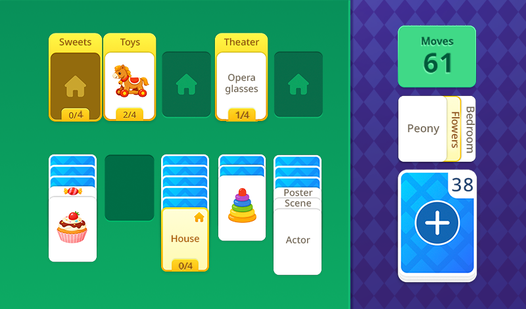
Not all legal moves are equally valuable. A move that reveals a face-down tableau card is usually stronger than one that merely rearranges visible cards. Start with columns containing fewer hidden cards when doing so creates rapid access, but do not ignore a deep column if a sequence can uncover it efficiently.
When two moves reveal cards, consider the card you must relocate. Moving a card from a longer stack may expose more future work, while moving from a nearly cleared stack may create an empty column for a king. Empty columns are powerful because they let you relocate long king-led sequences and reorganize blocked cards.
Try to expose face-down cards before drawing heavily from the stock. Also reveal the largest possible number of cards before committing a valuable king to an empty column. If both a red and black king are available, inspect the tableau to see which color provides better connections.
Word Solitaire uses a different central puzzle, but the same habit applies: uncover information, preserve flexible choices, and avoid committing before checking the board.
6. Plan sequences instead of single moves

Strong Solitaire play is based on short chains of consequences. Before moving a black seven onto a red eight, ask what the move reveals, where the seven might need to go later, and whether it blocks another sequence. A legal move that changes nothing may be harmless, but it can also remove an important landing card.
Work backward from blocked cards. If a face-down card sits beneath a red queen, find a black king that can accept the queen. If that king is trapped beneath another sequence, identify the moves required to release it. This turns an apparently random layout into a series of small goals.
Avoid moving cards between tableau columns solely because the game allows it. Prefer moves that reveal a card, empty a column, release a waste card, or enable foundation progress. When the game offers an undo button, use it to test alternatives and learn why one order works better than another.
Solitaire Pairs has different matching rules, but it rewards the same board-reading skill: examine all available relationships before selecting the most obvious pair.
Practical tips for winning more often
Pause before every stock draw and check the tableau again. Move aces and twos early, reveal hidden cards whenever possible, and preserve empty columns for useful kings. When choosing between equal-looking moves, favor the one that exposes information or keeps more destinations available.
Do not automatically send every card to a foundation. Keep medium and high cards in play when they are still needed to support opposite-color sequences. In draw-three games, learn the stock order and consider how playing one waste card changes access to the cards below it.
Some deals cannot be won under strict rules, so a loss does not always mean that you made an obvious mistake. Review the turning point, restart when necessary, and use undo as a learning tool rather than clicking randomly. With practice, you will begin to recognize useful patterns before moving the first card.
You can play these Solitaire games free in your browser on nub.games. They require no downloads, so choose a version, deal the cards, and practice the rules immediately.