
Hoby Tales Walkthrough and Tips for Difficult Levels

Hoby Tales is a match-3 puzzle game in which you must complete the level objective before running out of moves. The key to winning is to avoid random matches, inspect the task first, open blocked areas, and direct every move toward the required cells. On a difficult board, preparing one powerful move is often better than making several quick matches that achieve nothing.
How do you play Hoby Tales and what is the objective?
Each level asks you to collect specific pieces or clear required cells within a limited number of moves.
Before making the first move, check the objective counter, available moves, and shape of the board. The required pieces may already be visible but trapped behind blocked cells or narrow passages. Open the board first when that happens. If the target is already accessible, work directly around it and avoid distant matches that do not affect the result.
Matches of four or more pieces are usually more valuable than a basic match if the game creates special pieces for them. A special piece is useful only when its effect can reach the objective. Creating one in an isolated corner just for the sake of it wastes valuable moves.


How do you play Hoby Tales step by step?
A reliable approach consists of seven actions:
- Read the objective to identify which pieces and cells produce progress.
- Inspect the board to find isolated zones, obstacles, and possible strong matches.
- Open access when the objective is blocked or located where new pieces cannot fall yet.
- Match near the target so every move changes the board and brings you closer to victory.
- Create special pieces when a match of four or more produces a useful effect.
- Combine strong effects when triggering them together can clear more required cells.
- Check the remaining moves so you can abandon side combinations and finish the main task in time.
Do not rush to make the first available match. There is no reaction timer, so compare at least two options before moving. A match near the bottom often creates a cascade, while a match near the top may change only three pieces.
Where is the rescue level in Hoby Tales?
There is no confirmed universal number for the rescue level without knowing the game version and the exact type of task.
Players may use that name for a story episode, a temporary event, or a regular level connected to a rescue scene. Check the current chapter, task list, and event icon on the main screen. If the relevant scene is still locked, you will usually need to complete the preceding levels or the currently available story task.
When searching for an episode shown in someone else's video, do not compare only the number. Look at the objective, board shape, move limit, and story scene before the level. Event order or numbering can differ after updates. Save screenshots of the map and task if you need help identifying the exact stage.
How do you beat level 989 in Hoby Tales?
To beat level 989, build your strategy around the current objective and board instead of copying another player's moves blindly.
First identify what restricts the board most. If obstacles stop pieces from falling, open the central passages and the cells below them. If the objective is already accessible, make matches directly beside it. A move elsewhere is worthwhile only when it creates a special piece or starts a useful cascade.
Inspect the board again after every major change. Random drops quickly make a recorded sequence obsolete. Leave a powerful effect unused only when you can move or trigger it near the target. Near the end, count how many hits each unfinished objective requires instead of looking at the total number of pieces left on the board.
If every attempt ends with the same problem, change your first three moves. Repeatedly failing to reach part of the board means you are opening it too late. Running short of required pieces usually indicates that too many moves were spent on unrelated matches.
How do you beat level 2924 with 20 moves?
On a level with only 20 moves, you cannot divide your attention across the entire board, so remove the main restriction first and collect the remaining objective afterward.
Judge the value of every action. A basic match far from the task is usually weak. A useful move should do at least one of three things: damage an obstacle, collect a required piece, or prepare a special combination near the target area.
Do not automatically trigger a powerful effect immediately after creating it. Check whether the next move can combine it with another effect, place it in a denser area, or improve the arrangement around it. Do not save it for too long either. When only a few moves remain, an unused special piece becomes a missed opportunity.
If the objective is spread across several sections, first allow new pieces to enter every section. Then focus on the most restricted area. Easier cells may be cleared by cascades while you solve the difficult part.
How can you clear difficult levels with fewer attempts?
A difficult level becomes easier to understand when you divide it into opening the board, preparing strong moves, and finishing the objective.
At the start, look for cells that control how new pieces enter the board. A narrow passage or blocked central area is often more important than the nearest match. The sooner pieces can fall freely, the more free matches and cascades you can generate.
During the middle of the level, keep checking the objective counter. The board can look promising even when the actual task is barely progressing. If two consecutive moves neither advance the objective nor prepare a powerful effect, switch to a different area.
Near the end, stop building combinations for a distant future. Work out which targets can be completed with the available moves. Finish objectives that require precise hits first. Pieces that can be collected anywhere are more likely to disappear through cascades and simple final matches.
A short break can also help after several failed attempts. Replaying immediately often leads to the same automatic opening moves. Looking again with fresh eyes may reveal another passage or a stronger starting match.
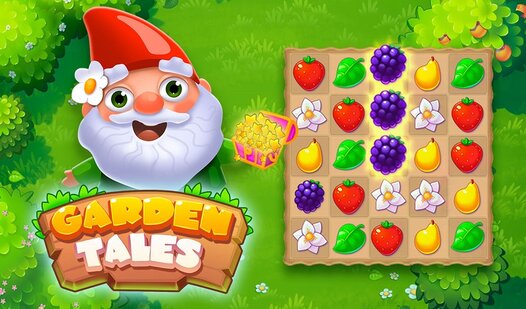
Which techniques do I use on a difficult board?
I check the cells that control incoming pieces before looking at ordinary matches. Opening such an area early allows later drops to create free matches and affect several sections at once.
I do not treat a large cascade as useful unless it advances the objective counter. Before triggering a special piece, I check whether its effect will cross the required cells. If it will not, I try to move it closer or choose a different action.
I compare at least two possible moves. One may remove a target immediately, while another may prepare a combination that clears an entire area on the following turn. With few moves left, I favor the immediate result. Early in a level, preparing a stronger effect is often worth the setup.
I also examine the final state of each failed attempt. If one or two hits on an obstacle were missing, the mistake probably happened during the opening. If the board was open but the objective remained incomplete, too many middle-game moves were spent on distractions.
Which mistakes most often prevent a win?
The biggest mistake is following a hint without checking whether the suggested move helps with the current objective.
An automatic hint normally shows a valid move, but it does not have to be the best one. Chasing special pieces too early is another common problem. A powerful piece created far from the target may require several extra moves before it becomes useful.
Clearing only the convenient part of the board is equally risky. If you leave the restricted area until the end, you may not have enough incoming pieces or moves to solve it. Start with the section that is hardest to reach.
Finally, do not repeat one strategy without adapting it. The starting arrangement may differ, and random cascades change the board. Keep the same priorities, but choose each move according to the current layout.
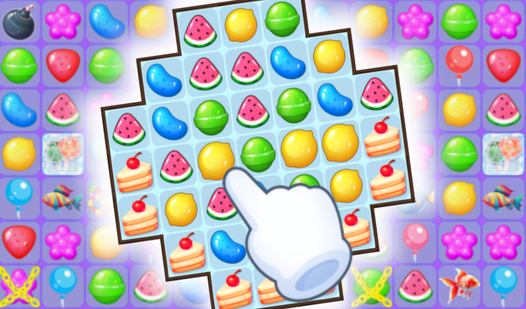
How do you restart Hoby Tales from the beginning?
To start over, first determine whether your progress is stored in an account or only in the browser's local data.
Open the game settings and look for an option to sign out, switch accounts, or reset progress. If the game is linked to a social account or gaming profile, the old save may return automatically after you sign in again. In that case, you will need a different account or an official reset option for a separate start.
Clear the website's browser data only as a last resort. Doing so can erase unsynchronized progress and local preferences, but it may not remove a server save. Record your player ID and take a screenshot of your progress first. If no reset button is available, contacting the game's support team is safer.
How do you play Hoby Tales on two devices?
Playing on two devices requires the same sign-in method and a completed progress synchronization.
Open the game on your primary device first and confirm that the save is connected to an account. Remember the current level, close the game after synchronization finishes, and then sign into the same profile on the second device. Check the level number before starting a new attempt.
Avoid clearing different levels on both devices at the same time. Two saves may reach the server in a different order, allowing an older state to replace the newer one. If your progress does not appear, do not start playing over the empty save. Restart the game, check the account and connection, and contact support with your player ID if necessary.
Guest mode is generally unreliable for transferring progress. Its data may remain only in a particular browser or on one device. Link the save to an available account before moving to another phone or computer.
FAQ
What is the main secret to beating Hoby Tales?
Focus on the objective and access to it first. Random matches are useful only when they open the board, create a strong effect, or advance the task counter.
Why do I run out of moves when the board still has many matches?
The number of available matches does not equal progress. Some of your moves are probably being spent on cells unrelated to the level objective.
Can I copy a level walkthrough from a video exactly?
Not always. The starting arrangement and later drops may differ, so use the video's priorities and obstacle strategy instead of memorizing every move.
What should I do if my progress is missing on the second device?
Do not begin a new game. Check the account, restart the game, and confirm that the first device completed synchronization. If the save does not return, give support your player ID.